

What Does an Uber Vehicle Inspection Check Include?
Driving for Uber offers flexibility and an opportunity to earn money while providing transportation services to passengers. However, before you start accepting rides, you must ensure your vehicle meets the required safety and roadworthiness standards. An Uber vehicle inspection helps confirm that your car is safe, reliable, and suitable for rideshare services.
Whether you are a new Uber driver or an experienced rideshare operator, understanding the inspection process can help you prepare your vehicle and avoid unnecessary delays. A professional Uber Inspection examines several important components, including brakes, tires, lights, steering, and seatbelts.
If you need a reliable inspection, choosing an experienced auto mechanic Edmonton drivers trust can make the process easier. Let’s explore what an Uber vehicle inspection includes and how you can prepare your car.
Why Is an Uber Vehicle Inspection Important?
An Uber vehicle inspection plays an important role in passenger safety and vehicle reliability. Since rideshare drivers spend considerable time on the road, their vehicles must remain in good working condition.
An inspection helps identify mechanical problems before they become serious safety concerns. It also allows drivers to address maintenance issues that could affect their ability to operate legally.
Here are some key reasons why inspections matter:
- Passenger safety: Ensures important vehicle systems work correctly.
- Driver protection: Helps reduce the risk of unexpected mechanical failures.
- Vehicle reliability: Identifies problems that could interrupt daily operations.
- Inspection compliance: Helps drivers meet applicable rideshare and regulatory requirements.
- Peace of mind: Gives drivers greater confidence when accepting passengers.
Completing an inspection before submitting the required documentation can also help prevent delays during the Uber approval process.
What Exterior Components Does an Uber Inspection Check?
The exterior of your vehicle is one of the first areas an inspector examines. A vehicle must have a safe body structure, properly functioning lights, and suitable tires.
During an Uber Inspection, the mechanic generally checks the following exterior components:
- Tires and Wheels
Tires directly affect braking, handling, and road grip. The inspector checks tire tread depth, overall condition, and inflation. They also look for visible damage, uneven wear, cracks, and bulges.
Damaged or excessively worn tires can reduce traction, especially during Edmonton’s winter driving conditions. The inspector may also check whether the wheels have visible damage.
- Headlights and Signal Lights
Proper lighting helps drivers communicate with other road users and maintain visibility in different weather conditions.
The inspection typically covers:
- Headlights and high beams
- Brake lights
- Turn signals
- Tail lights
- Hazard lights
- Reverse lights
- License plate lights
Every required light should operate correctly. Replace damaged bulbs and repair electrical problems before your appointment.
- Windshield and Windows
Clear visibility is essential for safe driving. The inspector checks the windshield and windows for cracks, chips, and other damage that could obstruct the driver’s view.
Windshield wipers and washers also need to work properly. Replace worn wiper blades if they leave streaks or fail to clear rain and snow effectively.
Which Mechanical Systems Are Checked During an Uber Inspection?
Mechanical components play a major role in determining whether your vehicle can safely transport passengers. An experienced auto mechanic Edmonton drivers rely on will examine several essential systems.
- Brake System
Brakes are among the most important safety components in any vehicle. The inspector checks the braking system to ensure it responds properly and provides adequate stopping power.
This assessment may include:
- Brake pads and shoes
- Brake rotors and drums
- Brake fluid levels
- Brake lines and hoses
- Parking brake operation
- Brake pedal response
The mechanic may also look for unusual noises, fluid leaks, and warning lights. Addressing brake problems before inspection helps improve road safety.
- Steering and Suspension
Your vehicle’s steering and suspension systems help maintain control and stability. The inspector checks steering components, suspension parts, and other related systems for excessive wear or damage.
Common inspection points include shocks, struts, ball joints, tie rods, and steering connections.
If your vehicle pulls to one side, vibrates excessively, or produces unusual suspension noises, arrange a professional assessment before your Uber inspection.
- Engine and Transmission
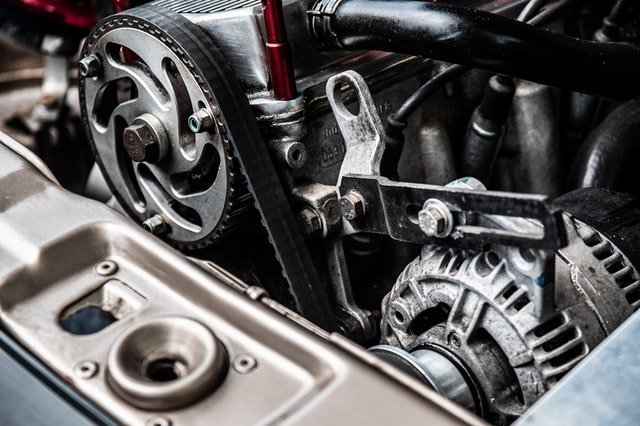
The engine and transmission must operate reliably to support regular rideshare driving. During the inspection, the mechanic may check for visible fluid leaks, unusual noises, warning indicators, and other signs of mechanical trouble.
The mechanic may also review engine-related components, belts, hoses, and fluid conditions.
Although every inspection follows its applicable checklist, maintaining your engine and transmission helps reduce unexpected breakdowns.
Does an Uber Inspection Check Interior Safety Features?
Yes. The vehicle’s interior also receives attention because passengers and drivers depend on several safety features during every trip.
- Seatbelts and Seats
Every passenger seat must have a properly functioning seatbelt. The inspector checks seatbelt buckles, locking mechanisms, and visible belt damage.
They may also examine seat mounting and adjustment mechanisms to ensure the seats remain secure.
- Horn and Dashboard Warning Lights
A working horn allows drivers to alert other road users when necessary. The inspector checks its operation along with important dashboard warning indicators.
Warning lights related to the engine, airbags, ABS, or other safety systems may require further investigation.
- Doors, Locks, and Windows
Passengers must be able to enter and exit the vehicle safely. The inspector checks door handles, locks, window controls, and other relevant mechanisms.
All doors should open and close properly, and the windows should operate as required.
How Can You Prepare Your Vehicle for an Uber Inspection?
Preparing your car before the appointment can save time and help you avoid repeat inspections.
Follow these practical steps:
- Clean your vehicle: Remove unnecessary items and clean the interior and exterior.
- Check your tires: Examine tread depth, inflation, and visible damage.
- Test all lights: Confirm that headlights, brake lights, and signals work.
- Inspect your windshield: Repair significant damage and replace worn wipers.
- Check fluid levels: Review engine oil, coolant, brake fluid, and windshield washer fluid.
- Test safety equipment: Check seatbelts, horn, mirrors, and door locks.
- Address warning lights: Have any active safety or mechanical warnings diagnosed.
- Bring required documents: Carry the vehicle registration and any inspection paperwork requested by the provider.
You should also confirm the current Uber inspection requirements for your vehicle and location before booking an appointment.
Why Should You Choose a Professional Auto Mechanic in Edmonton?
Choosing an experienced mechanic helps ensure your vehicle receives a thorough assessment. A professional understands important vehicle safety systems and can identify problems that an inexperienced person might overlook.
When selecting an auto mechanic Edmonton drivers can depend on, consider the following factors:
- Experience with vehicle safety inspections.
- Knowledge of applicable rideshare inspection requirements.
- Professional diagnostic equipment.
- Clear explanations of identified problems.
- Transparent pricing and repair recommendations.
- Convenient appointment scheduling.
At Auto Checkers, drivers can seek professional automotive assistance to help maintain their vehicles and prepare for inspection requirements. Working with knowledgeable technicians can make it easier to identify maintenance concerns and keep your car roadworthy.
What Happens If Your Vehicle Fails an Uber Inspection?
If your vehicle does not meet the applicable inspection standards, you may need to repair the identified issues before receiving approval.
The inspector generally identifies the components that require attention. These could include worn brakes, damaged tires, faulty lights, steering problems, or malfunctioning seatbelts.
Once you complete the necessary repairs, arrange another inspection if required. Keep your inspection documents and repair records organised so you can complete the approval process smoothly.
How Can Regular Maintenance Help You Pass an Uber Inspection?
Regular maintenance helps prevent small mechanical issues from becoming expensive repairs. It also keeps your vehicle dependable during long working hours.
Schedule routine oil changes, tire rotations, brake inspections, fluid checks, and engine diagnostics. Pay attention to unusual noises, vibrations, dashboard warnings, and changes in vehicle performance.
At Auto Checkers, maintaining your vehicle’s overall condition can be an important part of preparing for professional inspection services.
Final Thoughts: What Should You Remember About Uber Vehicle Inspections?
An Uber vehicle inspection checks essential safety and mechanical components to determine whether your vehicle meets the applicable requirements for rideshare driving. From tires, brakes, and lights to seatbelts, steering, and suspension, every major system contributes to a safer driving experience.
Preparing your vehicle in advance and addressing maintenance concerns can make the inspection process easier. By working with a reliable auto mechanic Edmonton drivers trust, you can keep your vehicle in good condition and approach your next Uber Inspection with greater confidence.