
The Future of Modern Architecture with Parametric Interior Products and Facades
Modern architecture is moving towards innovative designs that combine creativity, technology, and functionality. Interior spaces are no longer limited to traditional layouts and decorative elements. Architects and interior designers are exploring unique shapes, textures, and patterns to create visually engaging environments. The growing interest in parametric interior Products reflects this change in design preferences. These innovative products bring together computational design techniques and creative craftsmanship to introduce a distinctive character into residential and commercial interiors.
Understanding Parametric Design in Architecture
Parametric design is an advanced design approach in which different elements of a structure are developed using adjustable parameters and digital modelling techniques. Designers can modify dimensions, curves, patterns, and proportions to explore multiple design possibilities.
This approach provides greater flexibility when developing complex geometries and visually interesting structures. Instead of following conventional shapes, architects can experiment with flowing surfaces, repetitive patterns, and organic forms.
Parametric design has become an interesting part of contemporary architecture because it allows creative ideas to be explored with greater precision. It also connects digital technology with practical design and manufacturing processes.
The Growing Importance of Innovative Interior Products
Interior products play an important role in defining the personality of a space. Furniture, wall panels, decorative screens, lighting elements, and architectural accessories contribute to the overall appearance of an interior.
Modern designers are increasingly interested in products that offer something beyond conventional aesthetics. Unique patterns, layered structures, and sculptural forms can transform simple interiors into visually appealing environments.
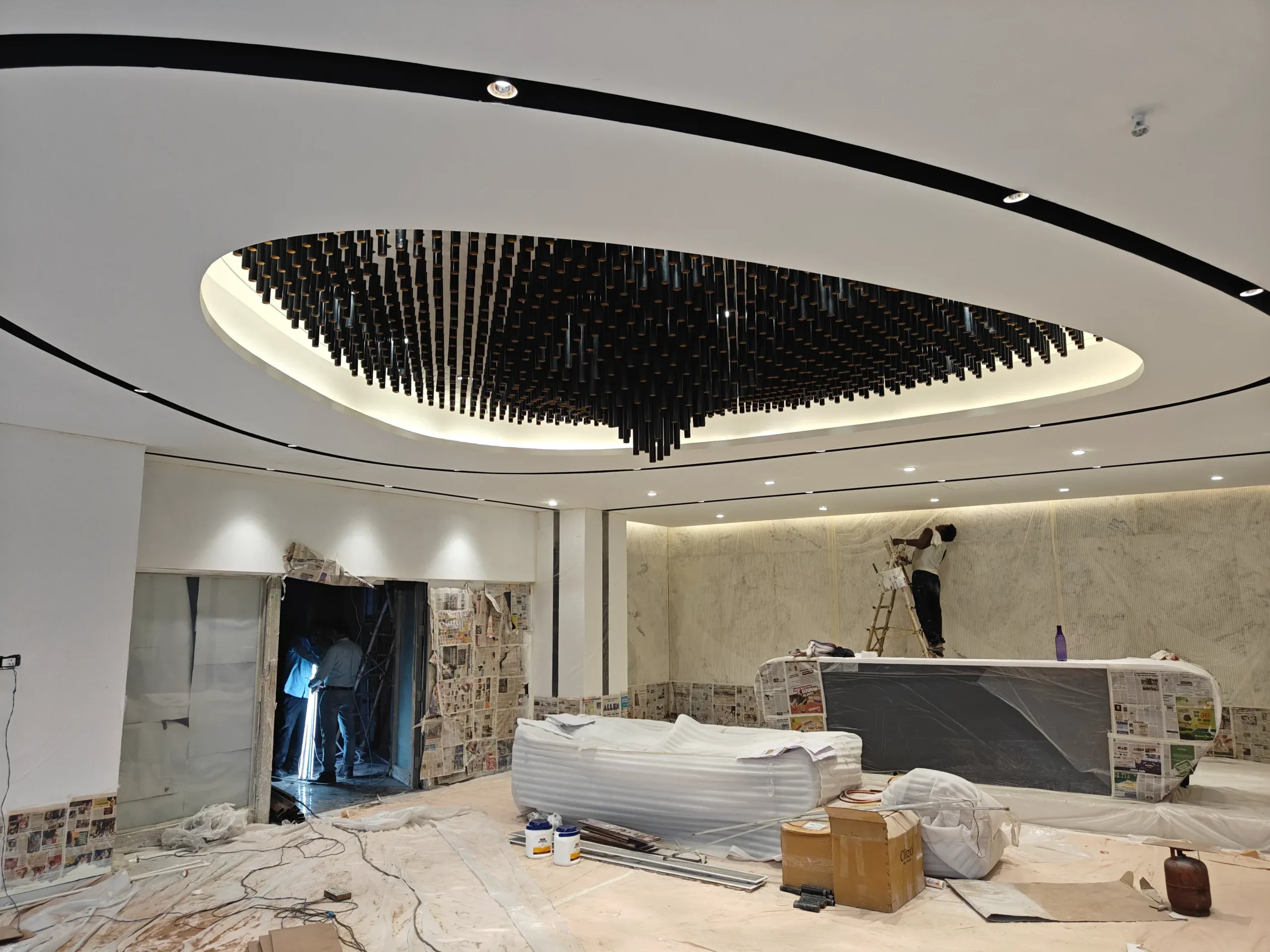
Parametric-inspired products are particularly suitable for contemporary spaces because they introduce movement, depth, and texture. They can be used in living rooms, offices, hospitality environments, retail spaces, and creative studios.
How Parametric Designs Improve Interior Aesthetics
One of the most interesting characteristics of parametric design is its ability to create visually complex patterns. Repeated elements can be arranged in different configurations to produce a sense of rhythm and movement.
For example, decorative wall panels can add depth to an otherwise simple wall. Patterned partitions can divide different areas without making the space feel completely closed. Sculptural furniture can also become a focal point within a minimalist interior.
These design elements allow architects to maintain a consistent visual theme while introducing creative details. Material selection and lighting further enhance the appearance of these structures.
Exploring the Role of Parametric Facade Design
The exterior appearance of a building is equally important as its interior. A thoughtfully developed parametric facade can give a building a distinctive architectural identity while creating interesting relationships between light, shadow, texture, and geometry.
Parametric facade systems use computational design methods to develop patterns and structures that can respond to different architectural requirements. Depending on the materials and engineering approach, these facades may incorporate repetitive geometric elements, perforated surfaces, layered panels, or organic patterns.
Beyond visual appeal, facade design can also contribute to shading, privacy, daylight management, and environmental performance when appropriately engineered.
Applications in Residential and Commercial Architecture
Parametric design techniques can be applied across a wide range of architectural projects. In residential buildings, they can be used to create decorative entrance features, privacy screens, exterior wall treatments, and distinctive interior elements.
Commercial buildings often use creative facade systems to establish a recognisable identity. Offices, hotels, restaurants, shopping spaces, and cultural buildings can benefit from innovative architectural treatments that make their appearance more memorable.
The design approach can also be adapted to different project scales, provided that material selection, structural requirements, installation methods, and maintenance are considered during development.
Combining Materials, Technology, and Craftsmanship
Successful architectural design requires more than attractive digital models. The selected materials must support the intended design while meeting practical performance requirements.
Materials such as metal, wood, engineered panels, and other suitable architectural surfaces can be explored for different parametric applications. Each material offers different characteristics in terms of appearance, strength, durability, and maintenance.
Digital modelling helps designers visualise complex structures before production. However, proper engineering, fabrication techniques, and installation planning are necessary to ensure that the final product performs as expected.
Discover Innovative Architectural Concepts with Griffin Studio
Griffin Studio explores contemporary design possibilities through innovative parametric concepts and creative architectural products. Its design-focused approach provides inspiration for architects, interior designers, and homeowners interested in modern aesthetics.
From distinctive furniture concepts to architectural facade applications, exploring innovative design collections can help professionals discover new ways to approach their projects.
When selecting architectural products, it is important to evaluate design requirements, material specifications, installation conditions, and the overall suitability of the product for the intended space.
Conclusion
Parametric design is creating exciting opportunities in modern architecture and interior design. Its ability to combine digital creativity, complex geometry, and functional planning makes it an interesting approach for developing distinctive spaces.
As architectural preferences continue to evolve, innovative interior products and facade concepts will play an important role in shaping contemporary environments. By combining thoughtful design with quality materials and proper execution, architects and designers can create spaces that are visually impressive, practical, and memorable.