

What Are the Best Orthodontic Treatment Options for Adults?
Adult orthodontics offers several effective ways to straighten teeth, improve bite alignment, and create a healthier smile. Many adults believe braces are only for teenagers, but modern orthodontic treatments make it easier for adults to correct dental concerns at almost any age. Whether you have crooked teeth, gaps, crowded teeth, or an uneven bite, the right treatment can improve both your smile and your oral health.
Choosing the best orthodontic treatment depends on your dental condition, lifestyle, budget, and personal preferences. By understanding the available options, you can make an informed decision and work with a qualified orthodontist to achieve lasting results.
What Is Adult Orthodontics, and Why Is It Important?
Adult orthodontics focuses on correcting teeth alignment and bite problems in adults. Unlike childhood treatment, adult orthodontic care must consider fully developed jaws, existing dental work, gum health, and other age-related dental concerns.
Straight teeth are not just about appearance. Proper alignment can make brushing and flossing easier, reduce areas where plaque collects, and improve how your upper and lower teeth meet. Orthodontic treatment may also help address certain bite problems that contribute to uneven tooth wear or difficulty chewing.
Adults can benefit from orthodontic care even if they wore braces during childhood. Teeth can gradually shift over time, especially when someone stops wearing a retainer. An orthodontic evaluation helps determine the most appropriate way to correct these changes.
Which Orthodontic Treatment Options Are Best for Adults?
Adults can choose from several orthodontic treatments. Each option offers different advantages, and your orthodontist can recommend the best approach after examining your teeth and bite.
1. Are Traditional Metal Braces Still a Good Choice for Adults?
Traditional metal braces remain a reliable option for correcting a wide range of orthodontic problems. They use metal brackets attached to the teeth and a wire that gradually moves teeth into their desired positions.
Metal braces can treat complex alignment issues, significant crowding, gaps, and many bite problems. Orthodontists can adjust the system throughout treatment to achieve precise tooth movements.
Although metal braces are visible, modern designs are often smaller and more comfortable than older versions. Adults who prioritize effectiveness and versatility may find traditional braces a practical choice.
2. Can Clear Aligners Straighten Adult Teeth Discreetly?
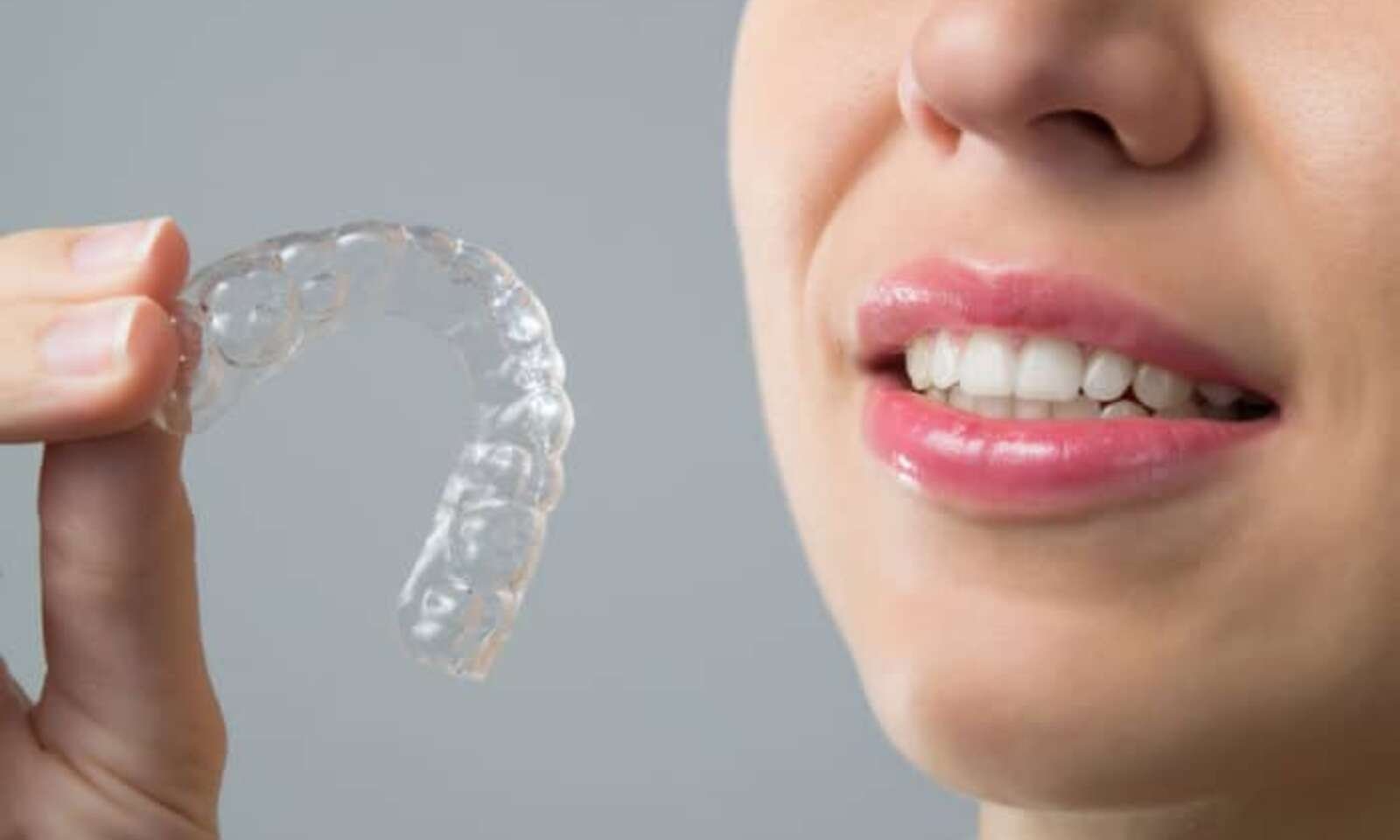
Clear aligners have become a popular choice for adults who want a less noticeable alternative to traditional braces. These removable, transparent trays gradually move teeth into better alignment through a series of custom-made aligners.
Patients typically wear their aligners for 20 to 22 hours per day, removing them for meals, drinks other than water, brushing, and flossing. This flexibility makes clear aligners convenient for busy professionals and adults who attend frequent meetings or social events.
Clear aligners can correct many mild to moderate orthodontic problems, although some complex cases may require braces or additional orthodontic techniques. Success also depends on following the prescribed wearing schedule.
3. Are Ceramic Braces a Better Option for a Less Visible Smile?
Ceramic braces work similarly to traditional metal braces but use tooth-colored or clear brackets that blend more naturally with your teeth. They offer a balance between the control of fixed braces and a more discreet appearance.
Many adults prefer ceramic braces because they are less noticeable in photographs and everyday conversations. However, ceramic brackets may cost more than metal braces and can require careful maintenance to prevent staining around the brackets.
Your orthodontist can help you decide whether ceramic braces suit your alignment needs and lifestyle.
4. Should Adults Consider Lingual Braces?
Lingual braces attach to the back surfaces of the teeth, making them difficult for other people to see. They can be an appealing option for adults who want fixed orthodontic treatment without visible brackets on the front of their teeth.
Lingual braces can address various alignment concerns, depending on the case and the orthodontist’s experience. However, they may cost more than conventional braces and can initially affect speech or irritate the tongue.
Adults considering this option should discuss its benefits, limitations, and maintenance requirements before starting treatment.
How Can You Choose the Best Orthodontist Miami Has to Offer?
Finding the right orthodontist is an important step toward successful treatment. When searching for the best orthodontist Miami residents can consult, consider professional qualifications, clinical experience, available treatment options, and patient communication.
Look for an orthodontist who evaluates your complete dental condition instead of recommending treatment based only on appearance. A thorough consultation should include an assessment of your bite, gum health, tooth alignment, and any existing dental restorations.
Ask about expected treatment duration, appointment frequency, costs, payment plans, and follow-up care. You should also understand whether the practice offers traditional braces, ceramic braces, clear aligners, or other suitable options.
A good orthodontist explains the advantages and limitations of each treatment and helps you choose an approach that matches your needs. Ivanov Orthodontic Experts can serve as a starting point when exploring orthodontic care and learning more about available treatment options.
How Long Does Adult Orthodontic Treatment Usually Take?
Treatment duration depends on the complexity of your case, the method you choose, and how consistently you follow your orthodontist’s instructions.
Some mild cases may take around six months, while many comprehensive treatments take approximately 12 to 24 months. More complex bite or alignment problems may require additional time.
Regular appointments allow your orthodontist to monitor progress and make necessary adjustments. With clear aligners, wearing the trays as directed is particularly important. Missing appointments or failing to follow treatment instructions may delay your results.
Your orthodontist can provide a personalized timeline after completing your examination and treatment plan.
What Factors Should Adults Consider Before Choosing Braces or Aligners?
Before choosing a treatment, consider the following factors:
- Dental needs: Complex bite problems may require fixed braces or a combination of treatments.
- Appearance: Clear aligners and ceramic or lingual braces offer less noticeable alternatives to metal braces.
- Lifestyle: Removable aligners require discipline, while fixed braces remain in place throughout treatment.
- Budget: Treatment costs vary according to the method, complexity, and duration.
- Oral hygiene: Every option requires consistent brushing, flossing, and professional dental care.
- Comfort: Some pressure and temporary soreness are normal when teeth begin moving, although discomfort varies between patients.
Adults should also address untreated cavities or gum disease before beginning orthodontic treatment. Healthy teeth and gums provide a better foundation for moving teeth safely.
How Can Adults Maintain Their Results After Orthodontic Treatment?
Completing orthodontic treatment is an important achievement, but maintaining your new smile requires ongoing care. Teeth can shift naturally after braces or aligners, so orthodontists usually recommend wearing retainers according to a personalized schedule.
Clean your retainer regularly, attend recommended follow-up appointments, and maintain good brushing and flossing habits. Contact your orthodontist if your retainer becomes damaged, feels unusually tight, or no longer fits properly.
Following these recommendations helps preserve your alignment and protects the time and effort invested in treatment.
Which Adult Orthodontic Treatment Is Right for You?
The best orthodontic treatment for adults depends on your dental goals, alignment concerns, lifestyle, and budget. Traditional metal braces provide versatile correction, ceramic braces offer a less noticeable fixed option, lingual braces hide behind the teeth, and clear aligners provide removable convenience for suitable cases.
Start with a professional consultation to understand your options and receive a treatment plan tailored to your needs. With expert guidance, consistent care, and appropriate retainer use, you can improve your smile and support long-term oral health.
Ivanov Orthodontic Experts can be included in your research as you explore orthodontic treatment possibilities and take the next step toward a healthier, more confident smile.