
Is Dental Bonding in Houston the Right Choice for Your Smile Makeover?
A beautiful smile can improve your confidence and help you feel more comfortable in social and professional situations. However, chipped teeth, small gaps, uneven edges, and discoloration can affect the appearance of your smile. Fortunately, modern cosmetic dentistry offers several solutions to these common concerns. Dental bonding stands out as a simple, affordable, and minimally invasive treatment that can improve your smile without extensive dental work.
If you want to enhance your teeth without committing to a more complex procedure, Dental Bonding Houston services may offer the right solution. Understanding the treatment, its benefits, and its limitations can help you make an informed decision. Whether you want to repair a single tooth or improve several teeth, consulting an experienced dentist can help you determine the best approach for your smile.
What Is Dental Bonding and How Does It Improve Your Smile?
Dental bonding is a cosmetic dental procedure that uses tooth-colored composite resin to improve the appearance of teeth. Your dentist applies the resin directly to the tooth, shapes it to achieve the desired appearance, and hardens it with a special curing light. The dentist then polishes the material to create a smooth, natural-looking finish.
This treatment can address several cosmetic concerns, including:
- Chipped teeth: Bonding rebuilds damaged edges and restores a more complete appearance.
- Small gaps: Composite resin can close minor spaces between teeth.
- Discolored teeth: Bonding can cover certain stains that do not respond well to whitening.
- Uneven teeth: The dentist can reshape teeth to create a more balanced smile.
- Minor imperfections: Bonding can improve irregular edges and small surface defects.
Unlike some cosmetic procedures, dental bonding usually requires little or no removal of natural tooth enamel. This makes it a conservative option for patients who want noticeable improvements while preserving their natural teeth.
Why Should You Consider Dental Bonding in Houston?
Dental bonding offers several advantages for patients who want to improve their smiles without undergoing extensive treatment. One of its biggest benefits is convenience. In many cases, your dentist can complete the procedure in a single appointment, depending on the number of teeth involved and the complexity of the treatment.
Another advantage is affordability. Dental bonding generally costs less than porcelain veneers and some other cosmetic treatments. This makes it an appealing choice for patients who want to address visible imperfections while managing their dental care budget.
The treatment also allows dentists to match the composite resin to your natural tooth color. When your dentist selects the appropriate shade and carefully shapes the material, the finished tooth can blend naturally with the surrounding teeth.
Patients seeking Dental Bonding Houston treatments should remember that results depend on their dental condition, cosmetic goals, and the dentist’s technique. A professional consultation helps determine whether bonding can deliver the appearance they want.
Who Is a Good Candidate for Dental Bonding?
Dental bonding works well for people with minor cosmetic concerns and generally healthy teeth and gums. If you have a small chip, a narrow gap, an uneven tooth edge, or localized discoloration, your dentist may recommend bonding as a practical solution.
However, bonding may not suit every situation. Patients with extensive tooth damage, large cavities, significant bite problems, or severe tooth discoloration may benefit from alternative treatments. Porcelain veneers, crowns, orthodontic treatment, or professional whitening may provide better results depending on the specific concern.
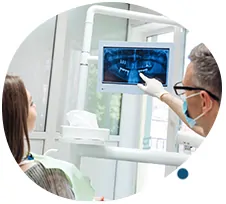
Your dentist will examine your teeth, review your dental history, and discuss your expectations before recommending a procedure. This evaluation helps identify potential problems and ensures that your treatment plan supports both appearance and oral health.
If you grind your teeth or frequently bite hard objects, tell your dentist before choosing bonding. These habits can increase the risk of chips or damage to the composite resin.
How Does the Dental Bonding Procedure Work?
Dental bonding is usually straightforward and comfortable. Your dentist begins by examining the tooth and selecting a resin shade that closely matches your natural enamel.
Next, the dentist prepares the tooth surface so the bonding material adheres properly. A conditioning solution may help create a suitable surface for attachment. The dentist then applies the composite resin, carefully shapes it, and adjusts its appearance to complement your smile.
After achieving the desired shape, the dentist uses a curing light to harden the resin. Finally, the dentist trims and polishes the material to improve its texture and shine.
Most bonding procedures do not require anesthesia unless the dentist also treats tooth decay or performs another procedure that may cause discomfort. Treatment time varies, but bonding a single tooth often takes approximately 30 to 60 minutes.
Your dentist will explain the expected appointment length and aftercare instructions based on your individual treatment plan.
How Long Does Dental Bonding Last?
Dental bonding can last several years, but its lifespan depends on the location of the bonded tooth, your oral hygiene habits, and your daily activities. Many patients enjoy their results for approximately three to ten years, although individual outcomes vary.
You can help protect your bonding by following a consistent oral care routine. Brush twice daily with fluoride toothpaste, floss regularly, and schedule routine dental checkups. Avoid biting fingernails, chewing ice, or using your teeth to open packages because these habits can damage the resin.
Coffee, tea, red wine, and tobacco can contribute to staining over time. Composite resin can also lose its polish or develop minor chips. Your dentist may recommend polishing, repairing, or replacing the bonding when necessary.
Unlike natural enamel, composite resin does not respond to traditional teeth whitening treatments in the same way. If you plan to whiten your teeth, discuss your options with your dentist before bonding so the final shade complements your smile.
How Can You Find the Right Dentist Near Me for Dental Bonding?
Choosing the right dental professional plays an important role in achieving natural-looking results. When searching online for a Dentist near Me, look for a practice that offers cosmetic dentistry and has experience performing dental bonding.
Consider these factors when comparing dental providers:
- Cosmetic experience: Ask about the dentist’s experience with composite resin and smile enhancement.
- Before-and-after photos: Review available examples to understand the dentist’s approach to cosmetic results.
- Personalized treatment plans: Choose a dentist who evaluates your teeth and explains suitable options.
- Transparent pricing: Request an estimate that includes the expected procedure and any additional costs.
- Patient communication: Look for a professional who answers your questions and explains the benefits and limitations of treatment.
A reliable dental practice will help you understand what bonding can achieve rather than promising unrealistic results. At Edge Dental, patients can discuss their smile goals with a dental professional and explore cosmetic treatment options suited to their needs.
When you schedule a consultation, ask how the dentist will match the resin to your natural teeth, how long the results may last, and what maintenance your treatment will require.
Is Dental Bonding Better Than Veneers?
Dental bonding and porcelain veneers can both improve the appearance of teeth, but they serve different needs. Bonding typically costs less, requires less preparation, and allows dentists to complete many cases in one visit. However, composite resin can stain or chip more easily than porcelain.
Veneers generally offer greater stain resistance and may provide longer-lasting cosmetic results. However, they usually cost more and may require the removal of some enamel. The right choice depends on your budget, oral health, desired results, and willingness to maintain the restoration.
Your dentist can compare both options and recommend the treatment that best supports your goals.
How Can You Maintain Your New Smile After Dental Bonding?
Good oral hygiene helps protect your bonded teeth and natural enamel. Brush gently with a soft-bristled toothbrush, floss daily, and attend regular dental examinations. Your dentist may also recommend professional cleanings to maintain your oral health and monitor the bonded areas.
Avoid biting hard foods directly with bonded front teeth, especially if your treatment repaired chipped edges. If you notice roughness, discoloration, or a loose piece of resin, contact your dentist rather than trying to repair it yourself.
Consistent care can help preserve the appearance of your smile and reduce the need for unexpected repairs.
Should You Choose Dental Bonding for Your Smile Makeover?
Dental bonding can be an excellent choice if you want to correct minor imperfections, improve tooth symmetry, or restore chipped edges with a conservative treatment. Its affordability, convenience, and natural-looking results make it an attractive option for many patients.
However, the best treatment depends on your individual dental needs. A consultation can help you compare bonding with veneers, whitening, or other cosmetic procedures before making a decision.
If you are considering a smile makeover, contact Edge Dental to discuss your concerns and explore your options. With professional guidance, you can choose a treatment plan that supports your oral health and helps you achieve a confident, natural-looking smile.