

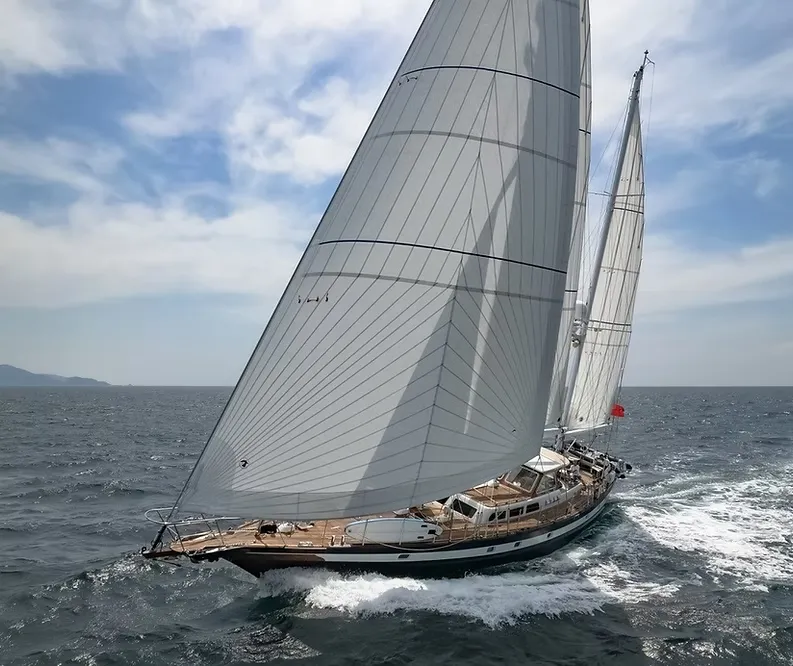
Sail Designer: Why Outsourced Sail Design Is Transforming the Sailing Industry
The sailing industry continues to evolve with advancements in technology, materials, and performance engineering. Whether designing sails for recreational boats, competitive racing yachts, or commercial vessels, precision and innovation are essential for achieving the best results. This is where a professional Sail Designer plays a crucial role. By combining technical expertise, aerodynamic knowledge, and modern design tools, sail designers help create sails that deliver improved performance, durability, and efficiency.
At the same time, businesses are increasingly turning to Outsourced Sail Design to access specialized expertise, reduce operational costs, and streamline their design processes. This approach allows sail manufacturers and marine businesses to focus on their core operations while benefiting from professional design support.
What Does a Sail Designer Do?
A Sail Designer is a specialist responsible for developing sail designs that meet specific sailing requirements. The role involves understanding wind conditions, boat geometry, sail shape, fabric properties, and performance objectives to create efficient and reliable sailing solutions.
Professional sail designers use advanced computer-aided design (CAD) software and specialized design tools to develop accurate sail plans. They consider several factors, including wind pressure, sail area, load distribution, material strength, and aerodynamic efficiency.
The responsibilities of a Sail Designer may include:
- Sail shape development: Creating sail profiles suited to different wind conditions and sailing styles.
- Performance optimization: Improving speed, stability, handling, and overall sailing efficiency.
- Technical drafting: Preparing detailed drawings, measurements, and manufacturing specifications.
- Material selection: Evaluating suitable fabrics and construction methods for durability and performance.
- Design customization: Developing sails according to the requirements of specific boats, customers, and applications.
A skilled designer helps ensure that every sail is tailored to its intended purpose, whether the priority is competitive performance, cruising comfort, or long-term reliability.
Understanding Outsourced Sail Design
Outsourced Sail Design is a business model in which sail manufacturers, marine companies, and sailing businesses collaborate with external design professionals or specialized design service providers.
Instead of maintaining a complete in-house design department, businesses can outsource some or all of their sail design requirements to experienced professionals. These specialists can support individual projects, manage recurring design work, or assist during periods of increased demand.
This model is particularly useful for companies that want to expand their design capabilities without making substantial investments in additional staff, software, training, and infrastructure.
With access to skilled designers and established workflows, businesses can maintain design quality while improving operational flexibility.
Key Benefits of Outsourced Sail Design
1. Cost-Effective Design Solutions
Building an in-house design team requires investment in recruitment, salaries, software licenses, training, and ongoing operational expenses. Outsourced Sail Design can help businesses control these costs by providing access to specialized services when required.
Companies can choose support based on project volume and complexity rather than maintaining a large permanent team. This flexibility can be particularly valuable for small and medium-sized sail lofts.
2. Access to Specialized Expertise
A professional Sail Designer brings technical knowledge and practical experience to the design process. Outsourcing gives businesses access to specialists who understand sail geometry, aerodynamic principles, digital design workflows, and manufacturing requirements.
This expertise can help companies address complex projects, improve consistency, and explore design solutions that may be difficult to develop with limited internal resources.
3. Improved Productivity and Faster Turnaround
Sail manufacturing businesses often manage multiple customer orders with different specifications and deadlines. Outsourced Sail Design can help distribute the workload, allowing internal teams to concentrate on production, quality control, customer service, and business development.
With clearly defined requirements and an efficient communication process, external designers can help reduce design bottlenecks and support more predictable project schedules.
4. Scalability and Flexibility
Design requirements can fluctuate throughout the year due to seasonal demand, new product launches, and changing market conditions.
Outsourced Sail Design allows businesses to increase or decrease design support according to their workload. This scalable approach helps companies respond to changing customer needs without continuously expanding or reducing their permanent workforce.
5. Better Focus on Core Business Activities
Managing every stage of the sail design process internally can consume valuable time and resources. By partnering with an external design provider, businesses can delegate specialized technical tasks while focusing on manufacturing efficiency, customer relationships, sales, and market expansion.
This division of responsibilities can improve resource allocation and support long-term business growth.
How to Choose the Right Sail Design Partner
Selecting the right outsourcing partner is essential for achieving consistent results. Businesses should evaluate a provider’s technical capabilities, industry experience, software proficiency, and understanding of sail manufacturing processes.
Look for a partner who can deliver accurate design files, maintain clear communication, and follow agreed quality standards. It is also important to establish confidentiality requirements, intellectual property ownership, file compatibility, revision procedures, and delivery timelines before starting a project.
Requesting sample work or beginning with a small project can help evaluate the provider’s suitability before entering into a long-term partnership.
The Future of Sail Design and Outsourcing
Technology is changing how sails are designed, tested, and manufactured. Digital modeling, simulation tools, improved material analysis, and automated production workflows are creating new opportunities for greater precision and efficiency.
As these technologies become more integrated into the marine industry, the role of the Sail Designer will continue to expand beyond traditional drafting. Designers will increasingly contribute to data-driven performance optimization, digital manufacturing preparation, and customized sailing solutions.
Meanwhile, Outsourced Sail Design is likely to remain an attractive option for businesses seeking specialized expertise, adaptable resources, and efficient workflows. Companies that combine experienced designers with modern technology can position themselves to respond more effectively to evolving market demands.
Conclusion
A professional Sail Designer is an important contributor to sail performance, product quality, and manufacturing efficiency. From developing accurate sail profiles to preparing production-ready technical files, specialized design expertise helps businesses meet the diverse requirements of today’s sailing industry.
By adopting Outsourced Sail Design, sail manufacturers and marine businesses can access valuable technical capabilities, manage costs, improve productivity, and scale their operations more efficiently.
Ultimately, choosing the right design partner is not simply about outsourcing a task. It is about building a reliable collaboration that supports innovation, consistent quality, and sustainable growth in the competitive sailing industry.