
How Can Hyperbaric Oxygen Therapy Support the Body’s Healing Process?
The body needs oxygen to repair damaged tissues, fight infections, and maintain healthy cells. When an injury or medical condition affects blood flow, tissues may not receive enough oxygen to heal efficiently. Hyperbaric oxygen therapy offers a specialized approach that helps increase the amount of oxygen available to the body.
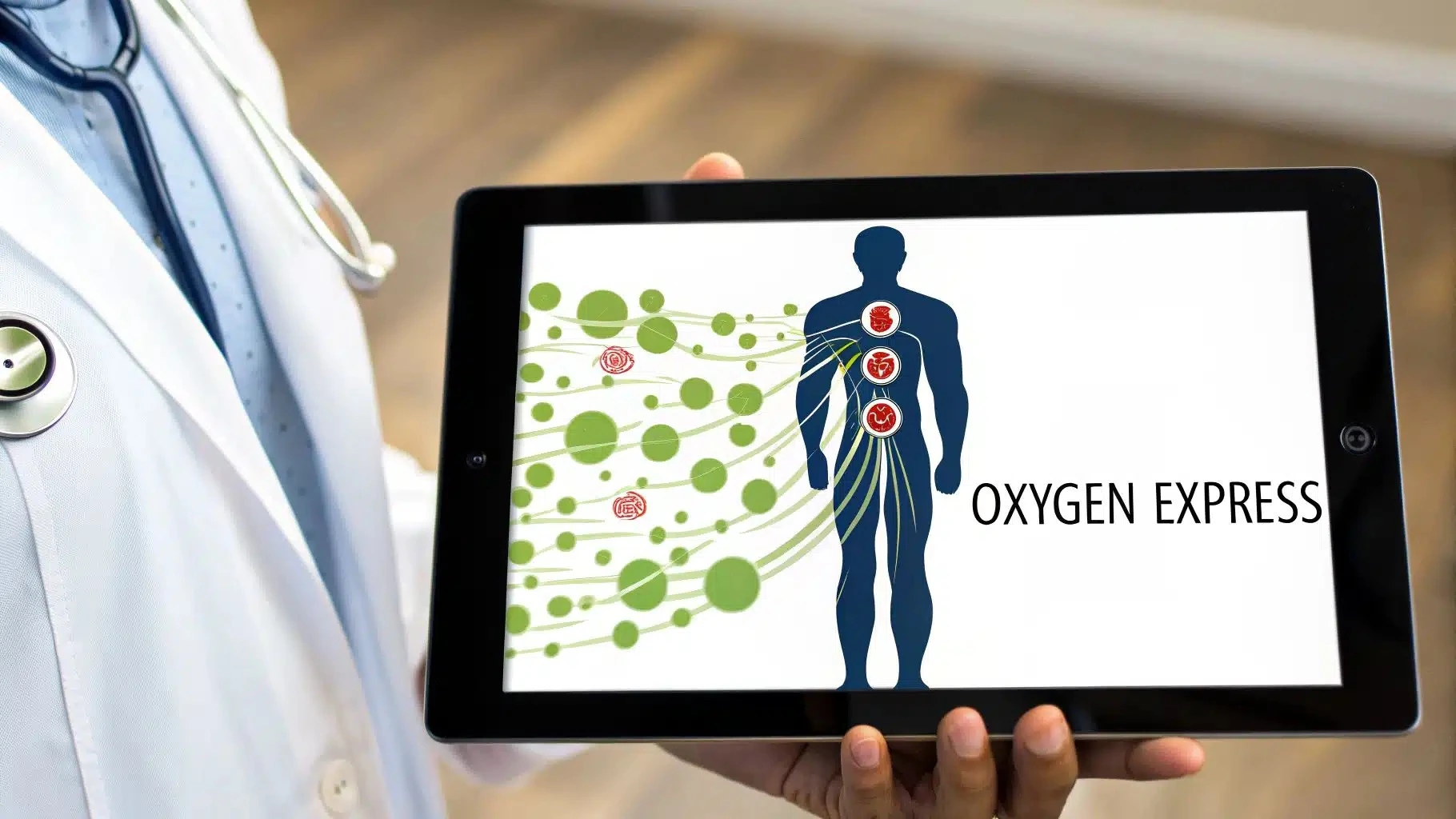
During this treatment, a patient enters a specially designed chamber and breathes oxygen under increased atmospheric pressure. This pressure allows the lungs to absorb more oxygen than they would under normal conditions. The bloodstream then carries this oxygen throughout the body, including areas where damaged tissues need additional support.
Healthcare professionals use hyperbaric oxygen therapy for certain approved medical conditions, including decompression sickness, carbon monoxide poisoning, selected non-healing wounds, and specific radiation-related tissue injuries. Doctors determine whether the treatment suits a patient’s condition, medical history, and overall treatment plan.
Hyperbaric Business Solutions helps bring attention to the importance of professional knowledge, appropriate equipment, and responsible practices in the hyperbaric industry.
How Does Hyperbaric Oxygen Therapy Promote Tissue Repair?
Tissue repair involves several processes, including inflammation control, new blood vessel formation, collagen production, and cell regeneration. Oxygen plays an important role in many of these activities.
Hyperbaric oxygen therapy increases oxygen availability in the blood and tissues. This increased supply can support the body’s natural repair mechanisms when a patient has a condition that responds to treatment.
For example, some chronic wounds develop because poor circulation prevents tissues from receiving sufficient oxygen. Under appropriate medical supervision, hyperbaric oxygen therapy may help selected patients by improving oxygen delivery to affected areas.
Oxygen also supports collagen formation, which helps the body build and strengthen connective tissue. In suitable clinical situations, this process may contribute to wound healing and tissue recovery.
However, the treatment does not guarantee faster healing for every patient. Results depend on the underlying condition, the severity of tissue damage, the patient’s overall health, and the effectiveness of other treatments.
Can Hyperbaric Oxygen Therapy Support Wound Healing?
Chronic wounds can create serious challenges for patients and healthcare professionals. Diabetes-related foot ulcers, certain injuries, and wounds associated with poor circulation may take longer to heal because damaged tissues struggle to receive adequate oxygen.
Doctors may recommend hyperbaric oxygen therapy for carefully selected wounds when standard treatments alone have not produced sufficient results or when clinical guidelines support its use.
The treatment may support wound healing in several ways:
- Improving oxygen availability: Increased oxygen levels can help support cellular activities in oxygen-deprived tissues.
- Supporting collagen production: Oxygen helps the body produce collagen, which contributes to tissue strength and repair.
- Supporting infection management: In specific clinical circumstances, increased oxygen availability can support immune function and complement other infection treatments.
- Encouraging new blood vessel formation: Hyperbaric oxygen therapy may help stimulate processes involved in developing new blood vessels over time.
Patients should continue appropriate wound care, infection management, nutritional support, and treatment of underlying conditions. Hyperbaric oxygen therapy works as an additional treatment when medically indicated, not as a replacement for essential care.
How Can Increased Oxygen Levels Help the Body Fight Certain Infections?
The immune system relies on oxygen for several functions that help it respond to harmful microorganisms. When tissues receive insufficient oxygen, some immune processes may become less effective.
Hyperbaric oxygen therapy can increase oxygen availability in affected tissues and may support selected infection-management strategies. Doctors sometimes use it as part of a broader treatment plan for particular serious infections, including certain cases involving damaged tissue.
The treatment may also help create conditions that are less favorable for some oxygen-sensitive bacteria. However, its role depends on the infection and the patient’s clinical condition.
Healthcare professionals must assess each case carefully. Antibiotics, surgery, wound cleaning, and other standard interventions may remain essential. Patients should never delay urgent medical care while considering hyperbaric oxygen therapy.
Who May Benefit From Hyperbaric Oxygen Therapy?
Not every person with an injury, illness, or slow-healing wound needs hyperbaric oxygen therapy. Doctors consider the diagnosis, available evidence, possible benefits, and treatment risks before recommending it.
Patients who may qualify for treatment include those with certain types of:
- Non-healing diabetic wounds that meet clinical criteria.
- Radiation-related tissue damage.
- Compromised skin grafts or flaps.
- Serious infections that respond to hyperbaric treatment.
- Decompression sickness.
- Carbon monoxide poisoning.
- Other recognized conditions for which clinical evidence supports treatment.
Some people explore hyperbaric oxygen therapy for general wellness, sports recovery, or anti-aging purposes. However, evidence does not establish that it provides reliable benefits for every such use. Patients should discuss their goals with a qualified healthcare professional before starting treatment.
What Role Does a Hyperbaric Technician Play in Patient Safety?
A hyperbaric chamber requires careful operation, continuous attention to safety procedures, and effective communication with the clinical team. Hyperbaric technicians help maintain these standards by preparing equipment, assisting with treatment sessions, monitoring patients as assigned, and following established operating protocols.
Their responsibilities may include checking chamber systems, reviewing safety procedures, communicating with patients, documenting treatment information, and responding appropriately to equipment concerns or emergencies.
Because hyperbaric chambers operate under increased pressure and may involve oxygen-related fire hazards, staff members must understand the risks and follow strict safety requirements. Proper training helps technicians recognize potential problems and support a controlled treatment environment.
Individuals interested in this field can explore hyperbaric technician certification online to learn about available educational programs. Before enrolling, they should verify the program’s curriculum, practical training requirements, instructor qualifications, recognition by relevant professional organizations, and acceptance by prospective employers.
Online education can provide valuable theoretical knowledge, but it may not replace hands-on clinical experience, supervised chamber training, or any credentials required by a particular employer or jurisdiction.
Hyperbaric Business Solutions recognizes the importance of professional education and responsible practices in supporting safe hyperbaric services.
What Safety Precautions Should Patients Understand Before Treatment?
Hyperbaric oxygen therapy has potential benefits, but it also carries risks. A qualified medical team should evaluate patients before treatment and explain the precautions they need to follow.
One of the most common side effects involves ear or sinus discomfort caused by pressure changes. Some patients may experience temporary vision changes, fatigue, or claustrophobia. In uncommon cases, treatment can cause oxygen toxicity, lung injury, or other serious complications.
Healthcare professionals also consider medical conditions that may make treatment unsafe. An untreated pneumothorax, or collapsed lung, is a major contraindication to hyperbaric oxygen therapy.
Patients should disclose their medications, medical history, implanted devices, and any concerns before entering the chamber. They must also follow instructions about clothing, prohibited items, and fire prevention.
A trained team should monitor the patient throughout the session and provide clear instructions for managing discomfort or other symptoms.
How Can Patients Get the Best Results From Hyperbaric Oxygen Therapy?
Patients can support their recovery by following a structured treatment plan developed by qualified healthcare professionals. The right approach depends on the condition being treated and the patient’s individual needs.
Consider these practical steps:
- Obtain a medical assessment: Ask a qualified doctor whether hyperbaric oxygen therapy is appropriate for your diagnosis.
- Follow the prescribed schedule: Attend recommended sessions and report any side effects promptly.
- Continue standard treatment: Maintain wound care, medication schedules, rehabilitation, and other recommended interventions.
- Support general health: Follow appropriate nutritional guidance, stay hydrated when medically suitable, and manage existing health conditions.
- Review progress regularly: Work with the clinical team to assess healing and adjust the treatment plan when necessary.
Patients should avoid purchasing or using hyperbaric equipment without understanding its medical limitations, operational requirements, and safety risks.
Why Is Professional Guidance Essential for Hyperbaric Oxygen Therapy?
Hyperbaric oxygen therapy can play an important role in treating selected medical conditions by increasing oxygen availability and supporting specific healing processes. Its effectiveness depends on appropriate patient selection, clinical supervision, proper equipment, and integration with standard medical care.
Healthcare professionals and trained technicians each contribute to safe treatment delivery. Patients benefit when they understand the potential advantages, limitations, and risks before making a decision.
For individuals exploring treatment options or professional education, Hyperbaric Business Solutions highlights the value of informed decisions, responsible chamber operation, and continued learning.
Ultimately, hyperbaric oxygen therapy works best when medical evidence guides its use and qualified professionals tailor treatment to the patient’s needs. By combining appropriate clinical care with careful monitoring and realistic expectations, patients and healthcare teams can make more informed decisions about supporting the body’s natural healing process.