
Post-Market Clinical Follow-Up and Clinical Investigation of Medical Devices
Medical devices play an important role in modern healthcare, supporting diagnosis, treatment, monitoring, and patient care. However, ensuring the safety and performance of a medical device does not end once the product enters the market. Manufacturers need to continuously collect clinical evidence, evaluate device performance, and identify potential risks throughout the product lifecycle. Two important components of this process are post-market clinical follow-up and clinical investigations.
Understanding Post-Market Clinical Follow-Up
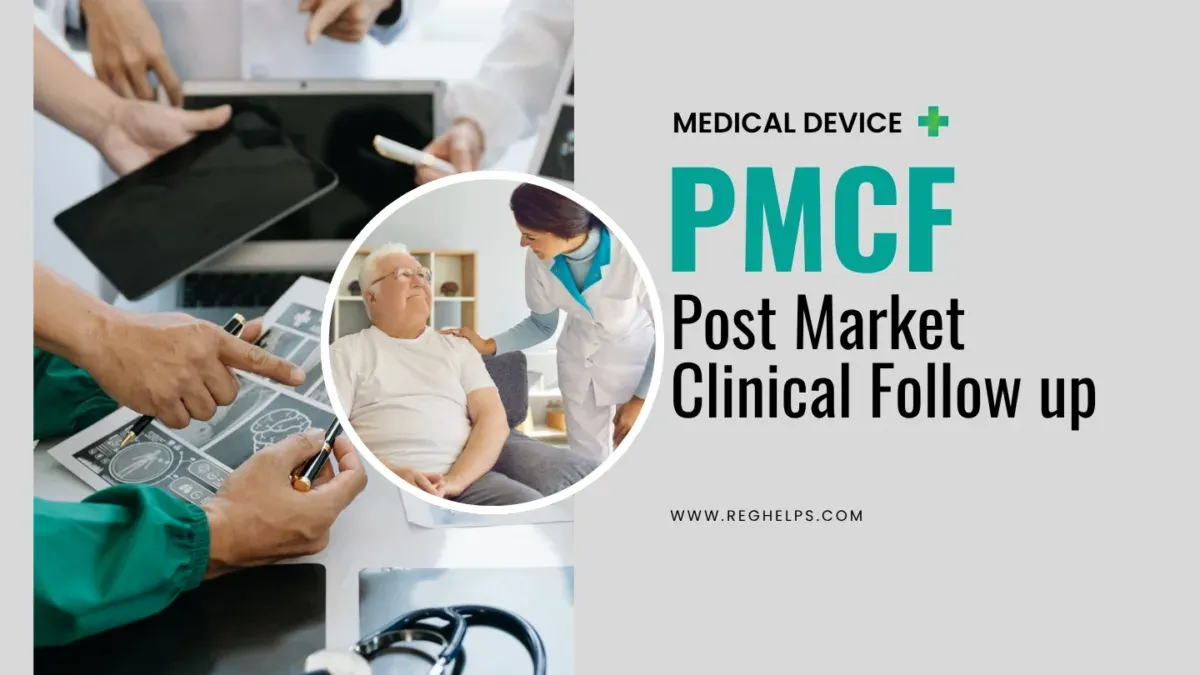
Post market Clinical follow up is a structured process used to collect and evaluate clinical data from a medical device after it has been placed on the market. Its purpose is to confirm that the device continues to meet safety and performance requirements when used by healthcare professionals and patients in real-world conditions.
Pre-market testing provides valuable evidence, but clinical experience after commercialization can reveal information that may not have been fully identified during development. A device may be used by a broader patient population, in different healthcare environments, or for longer periods than originally studied.
Post-market clinical activities can therefore help manufacturers understand long-term performance and identify emerging risks. Data may be collected through follow-up studies, registries, clinical literature, customer feedback, complaints, and other relevant sources of clinical information.
Why Post-Market Clinical Follow-Up Matters
Medical devices can have different levels of complexity and risk. Even products with established technologies may require ongoing clinical evaluation because their use, patient populations, or surrounding medical practices can change over time.
A well-designed post-market follow-up program can help manufacturers:
- Confirm continued safety and clinical performance
- Identify previously unknown risks or adverse events
- Evaluate long-term device performance
- Monitor specific patient populations
- Support ongoing clinical evaluation
- Identify opportunities for corrective or preventive actions
- Strengthen the overall clinical evidence supporting the device
The information obtained through these activities can also contribute to updates in risk management, clinical evaluation reports, product documentation, and post-market surveillance strategies.
The Role of Clinical Investigation in Medical Devices
Before and during the development of a medical device, manufacturers may need to conduct clinical studies to generate reliable evidence about safety and performance. Clinical investigation medical devices refers to systematic studies involving human participants that are designed to evaluate a medical device according to a defined clinical investigation plan.
Clinical investigations can be particularly important when existing evidence is insufficient to demonstrate the intended safety and performance of a device. They may be used to evaluate a new technology, a new intended purpose, a new patient population, or significant modifications to an existing product.
A properly planned investigation generally includes clearly defined objectives, appropriate study design, participant selection criteria, endpoints, data collection methods, and procedures for protecting participant safety and rights.
Key Elements of a Clinical Investigation
A successful clinical investigation begins with a clearly defined research question. Manufacturers and clinical researchers must determine what they need to demonstrate and select an appropriate methodology for collecting the required evidence.
Important elements may include:
Study Protocol
The study protocol describes how the investigation will be conducted. It normally defines the objectives, methodology, participant criteria, endpoints, follow-up procedures, and statistical approach.
Patient Safety
Participant safety is a central consideration. Investigators should establish procedures for identifying, documenting, and managing adverse events and other safety-related information throughout the study.
Reliable Data Collection
Clinical data needs to be collected consistently and documented accurately. Appropriate monitoring and quality controls help ensure that the resulting evidence is reliable and useful for regulatory and scientific purposes.
Ethical Considerations
Clinical investigations involving human participants must consider informed consent, confidentiality, participant welfare, and applicable ethical requirements. Independent review and appropriate oversight may also be required depending on the jurisdiction and study.
Connecting Pre-Market Evidence With Post-Market Data
Clinical investigations and post-market clinical activities should not be viewed as completely separate processes. They can form part of a continuous evidence-generation strategy throughout the medical device lifecycle.
Data generated before commercialization can establish initial evidence of safety and performance. Once a device is used in routine clinical practice, post-market data can provide additional information about its performance across broader populations and real-world settings.
Manufacturers can use this ongoing evidence to identify whether the original conclusions remain valid or whether additional investigation is necessary. This approach supports continuous monitoring rather than treating clinical evidence as a one-time requirement.
Challenges in Clinical Evidence Generation
Developing high-quality clinical evidence can involve several challenges. Recruiting appropriate participants, maintaining consistent data collection, managing long-term follow-up, and ensuring regulatory compliance can require significant planning and resources.
Manufacturers may also need to evaluate data from multiple sources and determine whether individual findings represent isolated events or broader trends. Strong documentation and systematic data analysis are therefore essential.
Working with experienced clinical research professionals can help organizations design appropriate studies, establish effective monitoring procedures, and maintain the quality of clinical data throughout the device lifecycle.
Conclusion
Clinical evidence is an ongoing part of responsible medical device development and lifecycle management. Post market Clinical follow up provides an opportunity to evaluate device safety and performance under real-world conditions, while Clinical investigation medical devices studies can generate structured evidence when additional clinical data is required.
By combining well-planned clinical investigations with continuous post-market monitoring, manufacturers can build stronger evidence, identify potential risks earlier, and support the continued safe and effective use of medical devices. A lifecycle-based approach to clinical evidence ultimately helps manufacturers respond to new information while maintaining a strong focus on patient safety and device performance.