
Microfine Sutures: Precision, Performance, and Reliable Surgical Closure
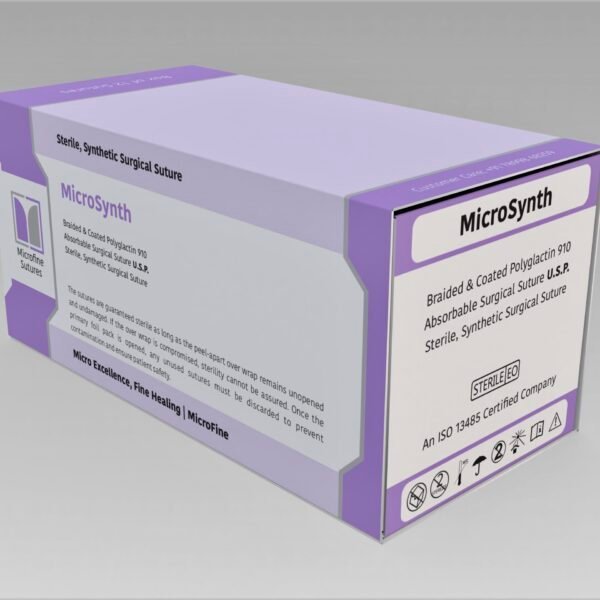
Sutures play an important role in wound closure by helping bring tissue edges together during surgical procedures. As medical technology continues to develop, there is increasing attention toward suture materials that offer precision, consistency, and dependable handling. Microfine Sutures are designed for applications where delicate tissue management and accurate wound closure are particularly important. Their fine construction can support controlled placement while helping medical professionals work carefully around sensitive tissues.
What Are Microfine Sutures?
Microfine sutures are specialized surgical sutures manufactured with a fine diameter and smooth, consistent structure. They are commonly considered for procedures where minimizing tissue disruption and achieving precise wound approximation are important.
Their design can make them suitable for delicate surgical applications, including procedures involving small or sensitive tissue areas. Depending on the material and construction, microfine sutures may be available in different sizes, needle configurations, and absorbable or non-absorbable options.
The choice of suture depends on several factors, including the type of procedure, tissue characteristics, expected healing time, and the preference of the healthcare professional.
Why Suture Precision Matters
Surgical closure requires more than simply bringing two tissue edges together. The suture needs to provide appropriate support while allowing the surgeon to maintain control during placement. A fine and consistent suture can be particularly useful when working in areas where accuracy is essential.
Microfine sutures can offer several practical characteristics:
- Fine construction for delicate tissue handling
- Consistent diameter for controlled placement
- Smooth handling during surgical procedures
- Suitable options for precise wound approximation
- Availability in different materials and configurations
- Reduced bulk compared with heavier suture options
These characteristics can make fine sutures useful across selected surgical and medical applications. However, the appropriate product should always be selected according to the clinical requirements of the procedure.
Materials Used in Surgical Sutures
Sutures can be produced from a variety of materials, and each material has different characteristics. Common options include synthetic polymers as well as naturally derived materials. Synthetic sutures are widely used because manufacturers can engineer their properties for specific medical applications.
Absorbable sutures are designed to gradually lose their tensile strength and break down within the body, making them useful when long-term suture removal is not required. Non-absorbable sutures are intended to remain in place for longer periods and may be selected when prolonged tissue support is needed.
For microfine applications, material selection becomes especially important because the suture must balance strength, flexibility, handling, and tissue compatibility.
Selecting a Reliable Sutures Manufacturer
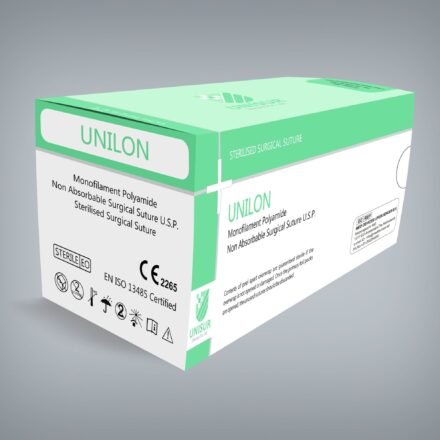
The quality of a surgical suture depends heavily on the manufacturing process. A reliable Sutures Manufacturer focuses on consistent raw materials, controlled production processes, accurate sizing, needle attachment, packaging, and quality inspection.
Medical professionals and distributors should consider several factors when evaluating a manufacturer. These may include manufacturing capabilities, product range, quality-control procedures, traceability, packaging standards, and compliance with applicable medical-device requirements.
A dependable manufacturer should also be able to provide clear product specifications. Information such as suture size, material, needle type, needle curvature, length, absorbability, and packaging configuration helps healthcare providers select the appropriate product for their requirements.
Quality Control in Suture Manufacturing
Sutures are medical products, so consistency is an essential part of manufacturing. Even small variations in diameter, needle attachment, or material performance can affect product handling.
Quality-control processes may include inspections of raw materials, dimensional checks, tensile-strength testing, needle performance evaluation, sterilization controls, packaging inspection, and batch documentation. These processes help manufacturers maintain consistent product performance from one production batch to another.
Sterile packaging is also an important consideration. Proper packaging helps protect the product from contamination and maintains its sterility until the package is opened according to the manufacturer’s instructions.
Applications of Fine Surgical Sutures
Microfine sutures can be considered for a range of procedures where precise closure is required. Their use may extend to selected applications in ophthalmic, plastic, reconstructive, cardiovascular, microsurgical, and other specialized surgical procedures, depending on the specific product design.
The appropriate suture should be determined by the surgeon or qualified healthcare professional based on tissue type, wound characteristics, surgical technique, and patient-specific considerations.
Looking Ahead
Advances in medical-device manufacturing continue to influence the development of surgical sutures. Manufacturers are working toward products that offer improved handling, predictable performance, suitable strength profiles, and compatibility with modern surgical techniques.
For healthcare organizations, selecting the right suture involves looking beyond the product name. Material characteristics, construction, sterilization, packaging, manufacturing quality, and intended application all play a role in determining whether a particular suture is appropriate.
Conclusion
Microfine sutures provide a specialized option for procedures where precision and delicate tissue handling are important. Their fine construction and availability in different materials and configurations allow healthcare professionals to select products according to specific surgical requirements.
At the same time, choosing the right Sutures Manufacturer is an important part of maintaining product quality and consistency. A manufacturer with controlled production processes, reliable quality systems, accurate specifications, and appropriate packaging can provide greater confidence in the products supplied to healthcare professionals. Ultimately, suture selection should always be based on the clinical requirements of the procedure and the guidance of qualified medical professionals.