
How to Understand Disposable Vape Options and Find the Best Disposable Vape Canada
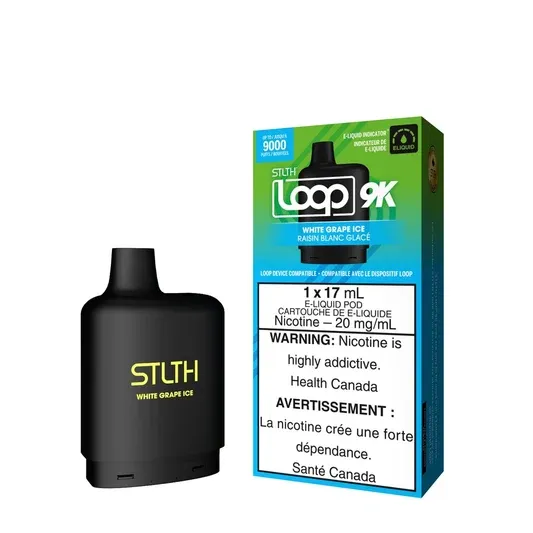
Vaping products have become a widely discussed alternative to traditional cigarettes, but understanding their features, regulations, and potential health effects is important before making any decisions. A Disposable Vape is a single-use electronic vaping device designed with a prefilled e-liquid reservoir and an integrated battery. Unlike reusable vaping systems, these devices are generally designed to be discarded when their liquid or battery is depleted.
For Canadian consumers, researching the Best Disposable Vape Canada options also means understanding product standards, provincial regulations, age restrictions, and responsible disposal practices. This guide explains the basics of disposable vaping devices and highlights important considerations when researching the Canadian market.
What Is a Disposable Vape?
A Disposable Vape is an electronic device that heats an e-liquid to create an aerosol that users inhale. Most models contain three primary components:
- Battery: Supplies power to the heating mechanism.
- Heating Element: Heats the e-liquid to produce an aerosol.
- E-Liquid Reservoir: Holds the liquid used by the device.
Many disposable devices are designed to operate without complicated settings or regular maintenance. However, their single-use construction raises environmental concerns because batteries and electronic components can contribute to electronic waste.
How Does a Disposable Vape Work?
Understanding how these devices function helps consumers make informed decisions about vaping technology.
Most disposable devices use a small heating element that activates when the device detects airflow. The heating element warms the liquid, producing an aerosol.
The device’s internal battery provides the required electrical energy. Since the battery and liquid reservoir are integrated into the same unit, the entire device is generally intended for disposal rather than long-term reuse.
It is important to understand that vaping aerosol is not simply water vapour. It can contain nicotine and other potentially harmful substances.
Understanding the Best Disposable Vape Canada Search
People searching for the Best Disposable Vape Canada may encounter numerous products and online retailers. However, popularity or attractive packaging does not establish that a product is safe, compliant, or suitable.
Before researching any vaping product, consider the following factors:
1. Canadian Regulatory Compliance
Canadian vaping products are subject to federal requirements under the Tobacco and Vaping Products Act and related regulations. Provincial and territorial rules may impose additional restrictions.
Consumers should check whether a product complies with applicable Canadian requirements rather than relying exclusively on marketing claims.
2. Nicotine Information
Nicotine is an addictive substance. Understanding nicotine content and associated health risks is essential when evaluating information about vaping products.
In Canada, federal regulations restrict the permitted nicotine concentration in vaping substances to 20 mg/mL.
3. Product Labelling
Clear labelling is important for understanding a product’s ingredients, nicotine concentration, manufacturer information, and applicable warnings.
Avoid products with missing information, questionable authenticity, or unsupported safety claims.
4. Environmental Responsibility
Disposable electronic devices contain batteries and electronic components that should not automatically be placed in household garbage.
Consumers should investigate local battery recycling and electronic waste collection programs to understand appropriate disposal procedures.
Disposable Vape Regulations in Canada
Canada has established regulations governing the manufacture, sale, promotion, and distribution of vaping products.
Some important considerations include:
- Federal minimum-age restrictions and additional provincial or territorial age requirements.
- Restrictions on nicotine concentration.
- Rules concerning product packaging and health warnings.
- Advertising and promotional restrictions.
- Provincial differences in retail availability and flavour regulations.
Anyone researching disposable vaping products should consult official Canadian government resources to understand the current legal requirements.
Are Disposable Vapes Safe?
No vaping product should be considered completely safe. Most disposable vaping devices contain nicotine, which can cause dependence and has known health effects.
Vaping may also expose users to potentially harmful chemicals and fine particles. The long-term health effects of vaping are still being studied.
People who do not smoke should not start vaping. Young people, pregnant individuals, and people who have never used tobacco or nicotine should avoid vaping products.
Adults who smoke and are considering switching should seek evidence-based advice from a qualified healthcare professional.
How to Make Informed Decisions About Vaping Products
Rather than relying on advertisements or popularity rankings, Canadian consumers should prioritize reliable information.
Useful research practices include:
- Reviewing official Health Canada guidance.
- Checking applicable federal and provincial regulations.
- Examining ingredient and nicotine information.
- Avoiding counterfeit or improperly labelled products.
- Understanding the health risks associated with nicotine.
- Following appropriate electronic waste disposal guidelines.
These steps help distinguish factual product information from unsupported marketing claims.
Conclusion
Understanding a Disposable Vape involves more than knowing its design and basic operation. Consumers should also consider nicotine dependence, potential health risks, Canadian regulations, and environmental consequences.
When researching the Best Disposable Vape Canada, reliable information should always take priority over promotional claims and online popularity. Reviewing official regulations and understanding the risks associated with vaping can help people make better-informed decisions.
Ultimately, avoiding nicotine and tobacco products remains the best option for protecting long-term health.