

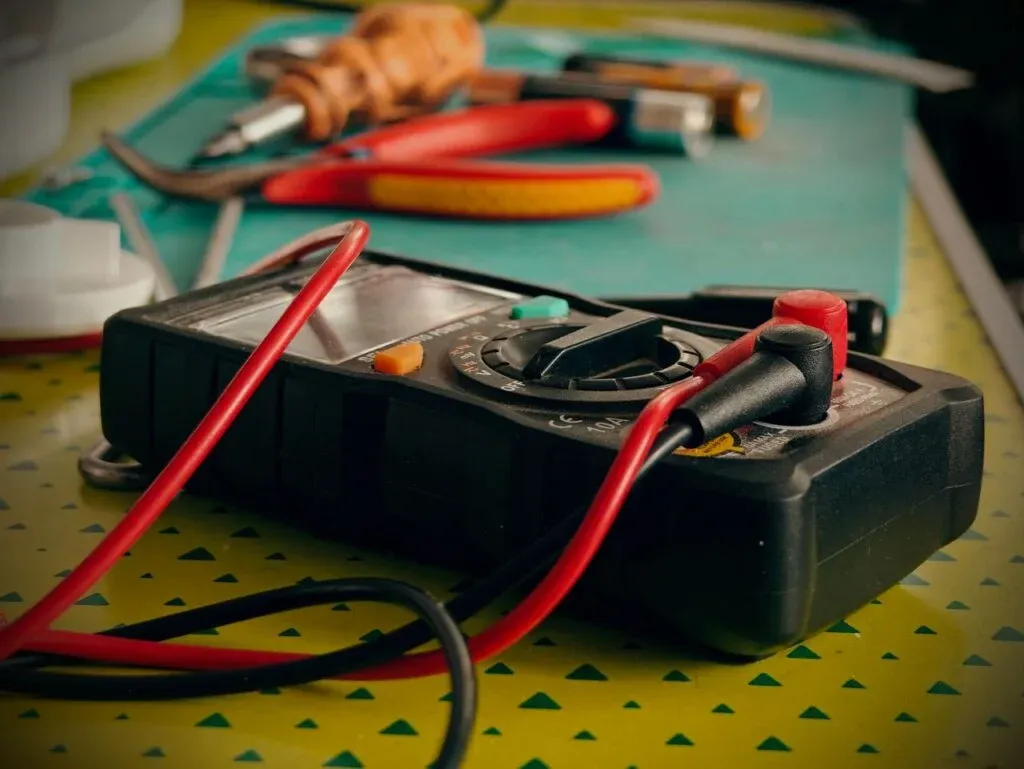
Electrical Safety Testing and Construction Site Test and Tag Service: Ensuring a Safer Workplace
Electrical safety is one of the most important aspects of maintaining a secure and productive workplace, particularly in the construction industry. Construction sites often involve heavy machinery, portable electrical equipment, temporary power supplies, and demanding working conditions that can increase the risk of electrical accidents. Implementing regular Electrical Safety Testing and professional Construction Site Test and Tag Service helps businesses identify potential hazards, protect workers, and maintain a safer working environment.
In this blog, we will explore the importance of electrical safety, the benefits of test and tag services, and how regular inspections can help construction businesses improve workplace safety.
What Is Electrical Safety Testing?
Electrical Safety Testing is the process of inspecting and testing electrical appliances, equipment, and systems to identify faults that could cause electric shocks, fires, or equipment failures. These tests help determine whether electrical equipment is safe to use and whether it meets the applicable safety requirements.
On construction sites, electrical equipment is frequently exposed to dust, moisture, vibration, rough handling, and physical damage. These conditions can increase the likelihood of damaged cables, faulty plugs, defective insulation, and other electrical hazards.
Regular electrical safety testing helps identify these issues before they result in workplace incidents. Depending on the equipment and its intended use, testing may include visual inspections, insulation resistance testing, earth continuity testing, and other appropriate electrical safety checks.
By making electrical safety a priority, businesses can reduce risks, improve equipment reliability, and create a safer environment for employees, contractors, and visitors.
Why Is Electrical Safety Important on Construction Sites?
Construction sites present unique electrical safety challenges. Workers frequently move equipment between locations, use portable tools for extended periods, and operate in environments where cables may be exposed to mechanical damage.
Without appropriate inspections and maintenance, even a small electrical fault can result in serious injuries, costly equipment damage, or project delays.
Here are some key reasons why electrical safety should be a priority:
1. Preventing Electrical Accidents
Faulty electrical equipment can expose workers to electric shocks, burns, and other serious injuries. Regular testing helps identify potential hazards before equipment is used.
2. Reducing Fire Risks
Damaged cables, overloaded connections, and defective electrical components can contribute to electrical fires. Identifying faults early helps businesses take corrective action.
3. Protecting Equipment
Routine inspections can identify damage and deterioration, helping businesses repair or replace unsafe equipment before it fails completely.
4. Supporting Workplace Compliance
Following applicable electrical safety regulations, workplace procedures, and industry standards helps businesses meet their safety responsibilities and maintain appropriate inspection records.
What Is a Construction Site Test and Tag Service?
A Construction Site Test and Tag Service involves inspecting electrical equipment, carrying out appropriate electrical safety tests, and attaching identification tags that record relevant inspection information.
This service is particularly useful for construction companies, builders, electricians, contractors, and other businesses that regularly use portable electrical equipment.
The process generally includes the following steps:
- Visual Inspection: Checking plugs, cables, connectors, enclosures, and equipment for visible damage or deterioration.
- Electrical Testing: Performing suitable tests using appropriate equipment to identify electrical faults.
- Recording Results: Documenting inspection dates, test results, equipment identification, and any required corrective actions.
- Tagging Equipment: Applying tags that indicate the relevant testing information and status, according to the applicable procedures.
- Managing Unsafe Equipment: Identifying defective equipment and ensuring it is removed from service until it has been appropriately repaired and verified as safe.
The frequency of testing depends on the equipment type, operating conditions, risk assessment, and applicable regulations or standards.
Key Benefits of Professional Test and Tag Services
Hiring a professional provider for electrical safety inspections offers several benefits for construction businesses.
Improved Worker Safety
Regular inspections help identify electrical hazards before they cause injuries. This supports a safety-focused workplace culture and encourages workers to report damaged equipment.
Better Equipment Management
Test and tag records help businesses track equipment, monitor inspection dates, and identify recurring problems. This makes it easier to plan maintenance and manage electrical assets effectively.
Reduced Downtime
Unexpected equipment failures can interrupt construction schedules and increase operating costs. Identifying faults early allows businesses to address problems before they cause significant disruptions.
Greater Confidence in Safety Practices
Maintaining organised inspection records and following suitable testing procedures demonstrates a proactive approach to workplace safety. It can also support internal audits and contractor safety management processes.
How Often Should Construction Equipment Be Tested and Tagged?
There is no single testing interval that suits every construction site or electrical appliance. Appropriate intervals depend on the equipment’s condition, frequency of use, environmental exposure, risk level, and relevant legal requirements.
Equipment used in demanding environments may require more frequent inspection than equipment operating under controlled conditions. Businesses should establish a documented inspection schedule based on a suitable risk assessment and applicable standards.
It is also important to remember that test and tag services do not replace routine visual checks. Workers should inspect equipment before use and immediately report damaged cables, exposed wires, loose connections, or other signs of electrical problems.
Choosing the Right Electrical Safety Service Provider
Selecting a reliable provider is essential for effective electrical risk management. Look for experienced technicians who understand construction site requirements and use suitable, properly maintained testing equipment.
A professional service provider should offer clear inspection records, transparent reporting, appropriate identification tags, and practical recommendations for addressing faults.
It is also worth confirming that the provider follows the electrical safety requirements and standards applicable to your location and industry.
Conclusion
Electrical hazards can create serious risks on construction sites, but many potential problems can be identified through regular inspections and appropriate safety testing. Electrical Safety Testing helps businesses detect electrical faults, while a professional Construction Site Test and Tag Service supports equipment tracking, maintenance planning, and safer working practices.
By investing in regular electrical inspections, maintaining accurate records, and encouraging workers to check equipment before use, construction businesses can reduce preventable risks and improve workplace safety.
Ultimately, electrical safety should be an ongoing commitment rather than a one-time task. A proactive approach helps protect workers, safeguard equipment, and keep construction projects operating as safely and efficiently as possible.