
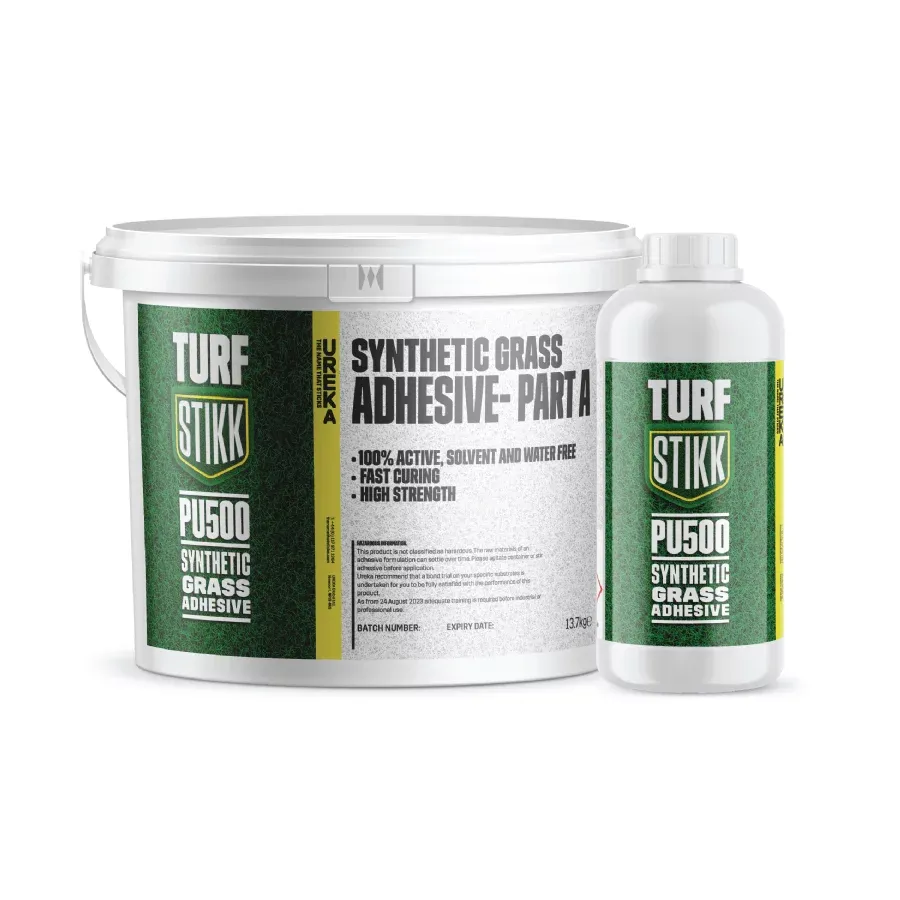
A Complete Guide to Artificial Grass Adhesive Glue and Cladding Adhesive
Modern construction and landscaping projects require reliable adhesive solutions that offer strength, durability, and long-lasting performance. Whether you are installing synthetic turf in a garden or fixing decorative panels to a building exterior, choosing the right adhesive is essential. Two important products used in these applications are artificial grass adhesive glue and cladding adhesive. Understanding their uses, benefits, and application methods can help you achieve professional results while reducing maintenance costs.
What Is Artificial Grass Adhesive Glue?
Artificial grass adhesive glue is a specially formulated bonding solution designed to secure synthetic turf to different surfaces. It is commonly used for residential lawns, commercial landscapes, sports facilities, balconies, terraces, and playgrounds.
Unlike ordinary adhesives, artificial grass adhesive glue is developed to withstand outdoor conditions, including moisture, temperature changes, and regular foot traffic. Depending on the product formulation, it can be used to bond turf seams, secure edges, or attach artificial grass to suitable substrates.
Benefits of Artificial Grass Adhesive Glue
1. Strong and Durable Bonding
A high-quality adhesive creates a secure connection between artificial turf and the intended surface. It also helps keep turf seams together, reducing the risk of separation during everyday use.
2. Weather Resistance
Outdoor synthetic grass is exposed to sunlight, rain, and changing temperatures. Selecting an adhesive suitable for these conditions helps maintain bonding performance over time.
3. Easy Installation
The right adhesive makes installation more convenient by helping installers secure turf edges and joining strips accurately. Following the manufacturer’s curing instructions is essential for achieving the best results.
4. Low Maintenance
Properly installed artificial grass requires less ongoing care than natural lawns. A suitable adhesive helps maintain a neat appearance by reducing loose edges and separated seams.
Where Is Artificial Grass Adhesive Glue Used?
Artificial grass adhesive glue is suitable for several applications, including:
- Residential gardens and backyard lawns.
- Commercial landscaping and decorative green spaces.
- Balconies, terraces, and rooftop gardens.
- Sports and recreational areas.
- Joining artificial grass sections and securing perimeter edges.
Before selecting an adhesive, consider the surface material, drainage requirements, exposure to moisture, and expected level of foot traffic.
What Is Cladding Adhesive?
Cladding adhesive is a bonding material used to attach compatible cladding panels, tiles, or decorative facing materials to suitable substrates. Cladding is widely used in residential, commercial, and industrial buildings to improve appearance and, in some systems, provide additional weather protection.
The correct adhesive depends on the cladding material, installation location, panel weight, substrate condition, and environmental exposure. Products may be designed for materials such as stone, ceramic, selected metals, composite panels, or other compatible building finishes.
Key Advantages of Cladding Adhesive
1. Reliable Bond Strength
A suitable cladding adhesive helps create a dependable bond between compatible panels and substrates. This is particularly important for installations exposed to temperature fluctuations and environmental stress.
2. Improved Appearance
Adhesive-based installation can provide a clean finish with fewer visible mechanical fixings where the selected system permits it. This helps create a modern and attractive architectural appearance.
3. Versatile Applications
Depending on the formulation and system specifications, cladding adhesive can be used for interior decorative walls, selected exterior finishes, and renovation projects.
4. Resistance to Environmental Conditions
Some specialist products are designed to withstand moisture, temperature changes, or outdoor exposure. Always check the technical data sheet to confirm suitability for the intended application.
Common Applications of Cladding Adhesive
Cladding adhesive is used in a variety of building projects, including:
- Interior wall panels and decorative finishes.
- Compatible stone and ceramic cladding systems.
- Selected exterior wall finishes.
- Commercial building renovations.
- Decorative architectural installations.
For exterior or elevated cladding, the complete installation system must meet applicable building regulations and manufacturer requirements. Mechanical fixings may also be necessary for safety.
How to Choose the Right Adhesive
Selecting the correct product is essential for achieving a strong and durable installation. Although artificial grass adhesive glue and cladding adhesive both provide bonding solutions, they are designed for different purposes and should not automatically be substituted for one another.
Consider the following factors when making your selection:
Surface compatibility: Ensure the adhesive is suitable for the substrate and the material being installed.
Environmental exposure: Outdoor applications may require resistance to water, sunlight, and temperature changes.
Application requirements: Check whether the product is intended for seams, full-surface bonding, panels, or specific installation methods.
Curing time: Allow the adhesive to cure for the recommended period before exposing it to traffic, moisture, or loading.
Safety and quality: Review product instructions, ventilation requirements, and relevant technical certifications before use.
Tips for Proper Adhesive Application
Correct preparation and installation are just as important as product selection.
First, clean the surface and remove dust, grease, loose particles, and other contaminants. Ensure the substrate meets the manufacturer’s requirements for dryness and preparation.
Next, apply the adhesive using the recommended tools and application method. Avoid using excessive or insufficient quantities, as both can affect bonding performance.
Position the material carefully and apply the specified pressure to establish proper contact. Observe the recommended working time and curing period, and protect the installation from unsuitable weather conditions during curing.
For artificial grass, ensure the base provides appropriate drainage. For cladding, confirm that the substrate, panel weight, and complete fixing system are suitable for the intended installation.
Conclusion
Choosing the right adhesive is an important step in achieving durable landscaping and construction results. Artificial grass adhesive glue helps secure synthetic turf, maintain neat seams, and support long-lasting outdoor installations. Meanwhile, cladding adhesive provides a suitable bonding solution for compatible decorative and architectural panels.
By understanding their applications, checking surface compatibility, and following the manufacturer’s instructions, homeowners, contractors, and installers can improve installation quality and reduce future maintenance. Always select a product specifically designed for the intended use to ensure reliable performance, safety, and lasting value.