
What Should You Expect During Your First Driving Lesson?
Your first driving lesson is an exciting step toward becoming an independent and confident driver. However, you may also feel nervous if you have never sat behind the steering wheel before. You might wonder how to control the car, follow traffic rules, or respond to your instructor’s directions. These feelings are completely normal for beginners.
A professional driving lesson helps you understand the basics of driving in a safe and supportive environment. Your instructor guides you through each step, explains important road rules, and helps you develop essential driving skills at your own pace. With regular practice and proper guidance, you can gradually build confidence and prepare for everyday driving.
If you are searching for a Driving school near me, understanding what happens during your first lesson can help you feel more prepared. Let’s explore what you can expect and how you can make the most of your first experience.
Why Is Your First Driving Lesson Important?
Your first driving lesson introduces you to the fundamentals of safe driving. Instead of expecting you to know everything immediately, your instructor focuses on helping you understand the vehicle and its basic controls.
During this session, you may learn about the steering wheel, accelerator, brake pedal, gear selector, indicators, mirrors, and seat adjustments. Your instructor explains how each control works and why it matters for road safety.
Your first lesson also helps you understand the importance of patience, concentration, and responsible decision-making. These qualities support safe driving throughout your learning journey.
A structured lesson allows you to ask questions, practise simple tasks, and become comfortable with the vehicle before moving on to more challenging situations.
What Happens Before You Start Driving?
Before you move the car, your instructor will usually introduce you to the vehicle and explain the essential safety procedures.
First, you will learn how to adjust your seat so you can reach the pedals comfortably. Your instructor will also show you how to position the steering wheel, fasten your seat belt, and adjust the rear-view and side mirrors.
Next, you will become familiar with the vehicle’s controls. Your instructor may explain how to use the indicators, headlights, wipers, horn, and parking brake.
You will also discuss basic safety checks and the importance of following traffic signs and road markings.
These preparations may seem simple, but they help you develop good habits from the beginning. When you understand the controls before driving, you can focus more effectively on the road.
Will You Drive the Car During Your First Lesson?
Yes, many beginners get an opportunity to drive during their first lesson. However, the exact experience depends on your instructor’s approach, your confidence, the vehicle, and the learning environment.
Your instructor may begin in a quiet, open area with limited traffic. This setting allows you to practise basic vehicle movements without dealing with complicated road situations.
You might start by learning how to move the vehicle forward slowly, steer in the correct direction, and bring the car to a controlled stop. Your instructor will explain each action and guide you through the process.
If you feel nervous, tell your instructor. A good instructor will adjust the pace and provide additional explanations whenever necessary.
Remember that your first driving lesson is about learning, not perfection. You do not need to master every skill in one session.
Which Basic Driving Skills Will You Learn First?
Your instructor will introduce essential skills that form the foundation of safe driving. Depending on your progress, your first lesson may cover several of the following areas.
How Do You Control the Steering Wheel?
You will learn how to hold and turn the steering wheel smoothly. Your instructor may ask you to practise gentle turns and maintain a steady direction.
Proper steering control helps you keep the vehicle positioned correctly and prepare for future manoeuvres.
How Do You Use the Accelerator and Brake?
Your instructor will explain how to apply the accelerator gradually and use the brake to slow down or stop safely.
You will practise controlling your speed and avoiding sudden movements. Smooth acceleration and braking make driving more comfortable and predictable.
How Do You Check Your Mirrors?
Mirrors help you understand what is happening around your vehicle. Your instructor will show you how to check your mirrors before moving, changing direction, or slowing down when appropriate.
You will also learn that mirror checks must work together with other observations, including checking blind spots when necessary.
How Do You Start and Stop the Vehicle?
Starting and stopping safely are essential beginner skills. Your instructor will explain the correct procedure for the vehicle you use.
If you learn in a manual car, you may also receive an introduction to the clutch and gear changes. If you learn in an automatic car, you will focus on selecting the correct gear and controlling the vehicle smoothly.
Will Your Instructor Teach You Traffic Rules?
Yes, understanding traffic rules is an important part of learning to drive. Your instructor will explain the rules you need to follow and how they apply to real road situations.
You may learn about traffic signals, speed limits, lane discipline, pedestrian crossings, road signs, and safe distances between vehicles.
Your instructor will also explain the importance of observing other road users. Pedestrians, cyclists, motorcyclists, and other drivers can affect your decisions, so you must remain alert at all times.
A professional driving school combines practical training with road safety education. This approach helps you understand not only how to operate a vehicle but also how to make responsible decisions behind the wheel.
How Can You Overcome Nervousness During Your First Lesson?
Feeling nervous before your first driving lesson is common. You may worry about making mistakes, forgetting instructions, or losing control of the vehicle. However, you can manage these feelings with a few simple steps.
First, get enough rest before your lesson. A fresh and focused mind helps you understand instructions more easily.
Second, listen carefully to your instructor and ask questions whenever something seems unclear. You do not need to pretend that you understand every instruction immediately.
Third, focus on one skill at a time. Instead of worrying about every aspect of driving, concentrate on the task your instructor gives you.
Finally, remember that mistakes are part of learning. Your instructor expects beginners to need guidance and practice. Each lesson gives you an opportunity to improve your skills and build confidence.
How Can You Choose the Right Driving School Near Me?
Choosing the right training provider can make your learning experience more comfortable and effective. When searching online for a Driving school near me, look beyond location and compare the quality of instruction.
Consider these important factors:
- Qualified instructors: Choose a school with experienced instructors who explain driving techniques clearly.
- Beginner-friendly lessons: Look for a program that accommodates learners with little or no driving experience.
- Safety-focused training: Make sure the school prioritises road safety and responsible driving habits.
- Well-maintained vehicles: Training vehicles should be suitable for beginners and properly maintained.
- Flexible scheduling: Convenient lesson times can help you maintain a consistent learning routine.
- Clear pricing: Ask about lesson duration, package costs, and any additional fees before enrolling.
You can also read student reviews and ask about the school’s teaching methods. A supportive instructor can help you progress steadily without unnecessary pressure.
How Can You Prepare for Your First Driving Lesson?
A little preparation can make your first session more productive. Wear comfortable footwear that allows you to feel and operate the pedals properly. Avoid shoes that make pedal control difficult.
Arrive on time so you can settle in before the lesson begins. Bring any required identification or documents requested by your driving school.
You should also get familiar with basic road signs and traffic signals before your session. Although your instructor will explain the important rules, some prior knowledge can make the lesson easier to follow.
Most importantly, approach the experience with an open mind. Stay attentive, follow instructions, and give yourself time to learn.
What Should You Do After Your First Driving Lesson?
After your first lesson, take a few minutes to review what you learned. Think about the skills you practised, the instructions you found helpful, and the areas where you need more practice.
You can also ask your instructor for feedback. Understanding your strengths and weaknesses helps you prepare for your next session.
Try to schedule lessons regularly so you can build on your previous experience. Consistent practice helps you develop better vehicle control, stronger observation skills, and greater confidence.
Avoid comparing your progress with other learners. Everyone develops driving skills at a different pace, and steady improvement matters more than speed.
Are You Ready to Begin Your Driving Journey?
Your first driving lesson introduces you to the skills, knowledge, and habits you need to become a responsible driver. From adjusting your seat to controlling the vehicle and understanding traffic rules, every step helps you develop a stronger foundation.
With patient instruction, regular practice, and a positive attitude, you can gradually overcome nervousness and become more comfortable behind the wheel.
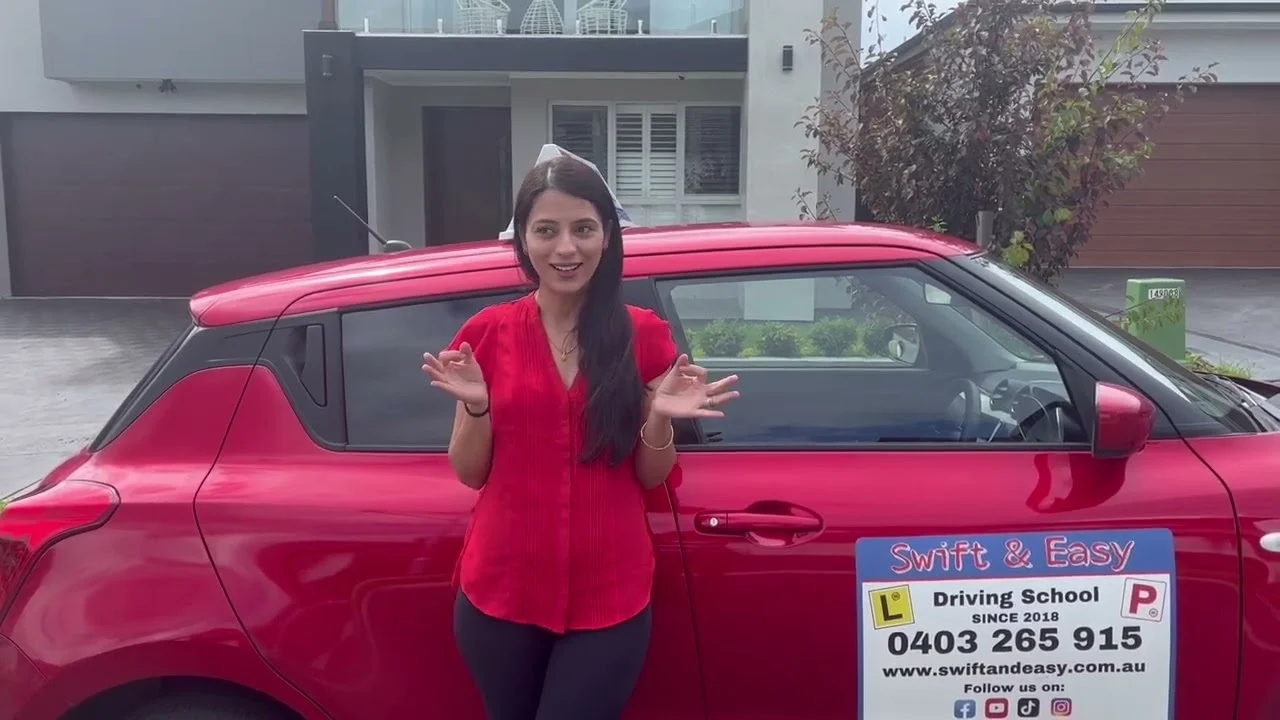
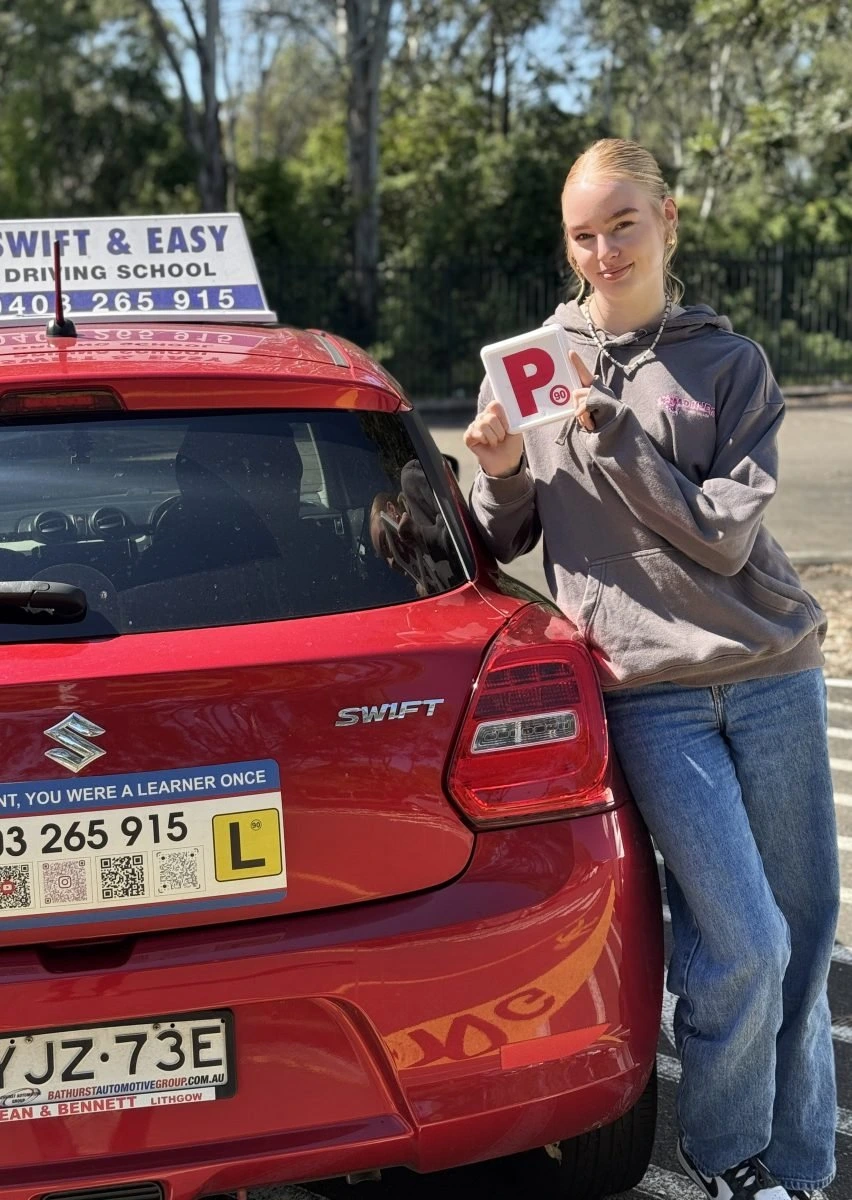
If you want a supportive start to your driving journey, Swift and Easy Driving School can be a brand to consider when exploring your training options. Choose a learning environment that prioritises safety, clear instruction, and practical experience.
Remember, confident driving develops over time. Focus on learning the basics, listen to your instructor, and practise consistently. Your first lesson is not about knowing everything; it is about taking the first step toward safer and more independent driving.