
What Types of Exercises Are Included in Stretching Classes?
Stretching classes offer a structured way to improve flexibility, mobility, posture, and body awareness. Instead of performing random stretches at home, participants follow guided movements that target different muscle groups and joints. These classes can support people with various fitness levels, from beginners to experienced athletes.
If you search for Stretching Classes Near Me, you may find sessions that combine traditional stretching with mobility drills, balance exercises, breathing techniques, and Pilates-inspired movements. Each exercise serves a specific purpose and helps your body move more comfortably.
At Sigma Pilates, instructors can create a balanced movement experience that focuses on controlled exercises, proper alignment, and gradual flexibility development. Understanding the exercises commonly included in stretching classes can help you choose a class that matches your fitness goals.
What Warm-Up Exercises Are Included in Stretching Classes?
Most stretching classes begin with a gentle warm-up. A proper warm-up prepares your muscles and joints for deeper movement. It also helps you transition from everyday activities into exercise.
Common warm-up exercises include shoulder rolls, arm circles, gentle torso rotations, ankle movements, and controlled leg swings. Instructors may also include light walking or dynamic movements to increase body temperature.
Dynamic stretching often works well during the warm-up because it moves joints through a comfortable range of motion. These movements can prepare the body without holding a deep stretch for an extended period.
How Do Dynamic Stretching Exercises Improve Mobility?
Dynamic stretching uses controlled movement rather than long, stationary holds. These exercises help prepare the muscles and joints for activity while encouraging a greater range of motion.
Examples include walking lunges, leg swings, hip circles, arm swings, and controlled spinal rotations. Participants perform these movements slowly and maintain control throughout each repetition.
Dynamic exercises can benefit people who spend long periods sitting or working at a desk. Regular movement can help reduce stiffness and make everyday actions feel more comfortable.
Which Lower-Body Exercises Can You Expect in Stretching Classes?
Lower-body stretches represent an important part of most stretching programs. Tight hips, hamstrings, calves, and quadriceps can affect posture and movement patterns.
Common exercises include seated hamstring stretches, standing calf stretches, quadriceps stretches, lunges, hip-flexor stretches, and gentle glute stretches. Instructors usually demonstrate proper alignment so participants can stretch without forcing their joints.
Hip-opening exercises can also play an important role. Movements such as supported lunges and figure-four stretches can encourage flexibility around the hips and glutes.
What Upper-Body Stretches Are Commonly Used?
Stretching classes also address the upper body. Tight shoulders, chest muscles, neck muscles, and upper back muscles can develop from repetitive movements or prolonged sitting.
Instructors may include cross-body shoulder stretches, overhead arm stretches, chest-opening movements, neck mobility exercises, and upper-back rotations.
These exercises encourage participants to move the shoulders and upper spine through comfortable ranges. They can also complement activities such as strength training, swimming, running, and recreational sports.
How Do Spinal Mobility Exercises Support Better Movement?
Spinal mobility exercises focus on controlled movement through different sections of the spine. They can help participants develop greater awareness of posture and movement.
Cat-cow movements, seated spinal rotations, gentle side bends, and controlled forward folds are common examples. Participants should move within their comfortable range instead of forcing flexibility.
Good spinal mobility can make movements such as bending, reaching, turning, and standing more fluid. Instructors may combine spinal exercises with breathing techniques to encourage relaxation and control.
Why Are Hip Mobility Exercises Included in Stretching Classes?
The hips contribute to walking, running, sitting, bending, and many other everyday movements. Limited hip mobility can influence how the rest of the body moves.
Stretching classes may include hip circles, lunges, seated hip stretches, figure-four positions, and controlled hip-opening movements. These exercises encourage mobility while gradually improving flexibility.
Hip mobility exercises can work especially well when instructors adjust the movement for each participant. A beginner may use a supported variation, while an experienced participant may work through a larger comfortable range.
What Role Do Hamstring and Calf Stretches Play?
Hamstrings and calves often receive special attention during stretching sessions. These muscles work during walking, running, climbing stairs, and many fitness activities.
Common hamstring exercises include seated forward stretches, standing hamstring stretches, and supported variations. Calf stretches may involve wall-supported positions or controlled movements that take the ankle through different ranges.
Participants should avoid bouncing during static stretches. Instead, they can maintain a gentle position and breathe normally while allowing the muscles to gradually relax.
How Are Pilates-Inspired Exercises Used in Stretching Classes?
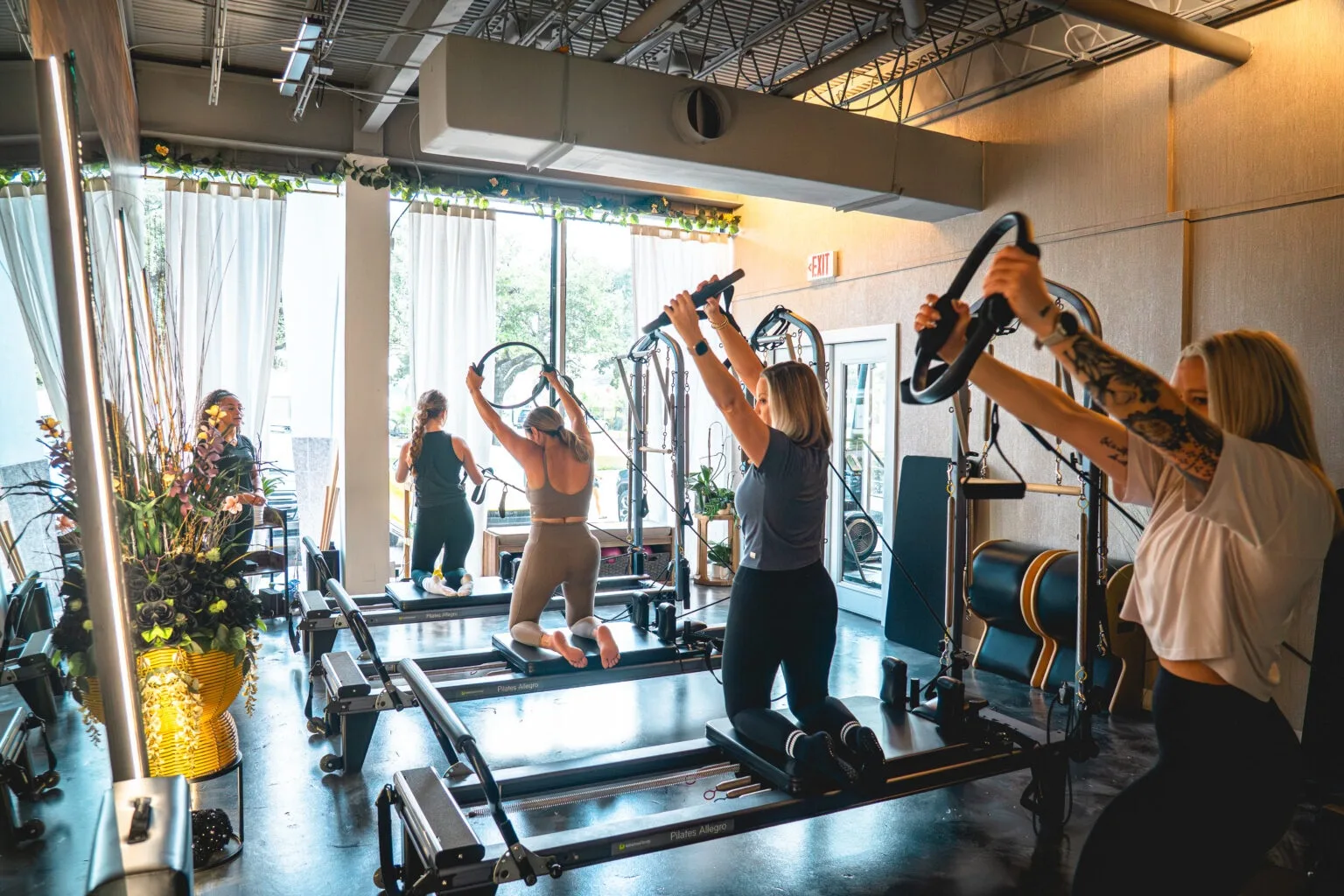
Some stretching classes incorporate Pilates-inspired exercises because Pilates emphasizes controlled movement, alignment, core engagement, and body awareness.
Exercises may include pelvic tilts, controlled leg movements, spine articulation, bridges, and gentle core-focused movements. These exercises do more than simply lengthen muscles. They encourage participants to control their bodies throughout each movement.
People exploring Pilates in Houston Texas may also notice similarities between Pilates sessions and mobility-focused stretching classes. Both approaches can emphasize precision, breathing, posture, and mindful movement.
How Do Balance Exercises Add Value to Stretching Sessions?
Balance exercises can make stretching sessions more functional. Good balance requires coordination between muscles, joints, vision, and the nervous system.
Instructors may include single-leg stands, supported balance positions, heel-to-toe movements, or controlled leg lifts. Participants can use a wall, barre, or other stable support when necessary.
Balance exercises can become more challenging as participants develop better control. This approach allows beginners to participate comfortably while giving experienced participants opportunities to progress.
Why Are Breathing Exercises Included in Stretching Classes?
Breathing plays an important role in controlled stretching. Slow, steady breathing can help participants remain relaxed and focused during exercises.
Instructors may encourage participants to inhale before a movement and exhale during a deeper stretch or controlled position. This breathing pattern can make the session feel more comfortable and mindful.
Breathing exercises also help participants avoid holding their breath when a movement becomes challenging. Relaxed breathing encourages better awareness of how the body responds to each exercise.
How Do Static Stretching Exercises Improve Flexibility?
Static stretching involves moving into a comfortable stretching position and holding it for a period of time. These exercises commonly appear toward the middle or end of a stretching class.
Examples include seated hamstring stretches, butterfly stretches, standing quadriceps stretches, calf stretches, and gentle shoulder stretches.
Participants should feel tension without experiencing sharp or painful sensations. Consistency matters more than forcing a deep stretch. Gradual practice can help improve flexibility over time.
Can Stretching Classes Include Foam Rolling and Recovery Exercises?
Some classes may include recovery-focused techniques such as foam rolling or gentle self-massage. These methods can complement stretching by encouraging participants to pay attention to areas that feel tight after physical activity.
An instructor may guide participants through slow rolling techniques for areas such as the calves, thighs, glutes, or upper back. However, participants should follow proper guidance and avoid placing excessive pressure on sensitive areas.
Recovery exercises can make a stretching session feel more complete, particularly after demanding physical activity.
How Can You Choose the Right Stretching Class?
The right class should match your current fitness level, movement experience, and personal goals. Beginners may benefit from slower classes that emphasize basic mobility and alignment. More experienced participants may prefer sessions that include deeper flexibility work and challenging mobility exercises.
When searching for Stretching Classes Near Me, consider the instructor’s experience, class structure, exercise intensity, and available modifications. A good instructor should explain movements clearly and encourage participants to work within their individual limits.
You can also explore Pilates-based programs if you want to combine flexibility with strength, posture, balance, and controlled movement. Sigma Pilates can be a useful option for people interested in developing a more mindful approach to movement.
What Benefits Can You Gain From Regular Stretching Exercises?
Regular stretching can support flexibility and mobility when you practice consistently. It may also help you become more aware of posture and movement habits.
A well-designed stretching class can include dynamic stretches, static stretches, hip mobility drills, spinal movements, balance exercises, breathing techniques, and Pilates-inspired exercises. Together, these movements create a comprehensive approach to flexibility and body control.
The key is to progress gradually. You do not need to achieve advanced flexibility immediately. Instead, focus on controlled movements, proper breathing, and consistent practice.
Why Should You Make Stretching Part of Your Fitness Routine?
Stretching can complement many forms of exercise and support comfortable everyday movement. Whether you sit at a desk, train regularly, participate in sports, or simply want to move more freely, structured stretching can provide valuable movement practice.
When you find a suitable class, you can learn how to stretch safely, improve mobility, and develop better awareness of your body’s movement patterns. Combining stretching with complementary practices such as Pilates can provide an even broader fitness experience.
If you are exploring Pilates in Houston Texas or looking for Stretching Classes Near Me, consider choosing a program that emphasizes quality movement rather than simply pushing for deeper stretches. With consistent practice and appropriate guidance, stretching can become an enjoyable and sustainable part of your fitness routine.