

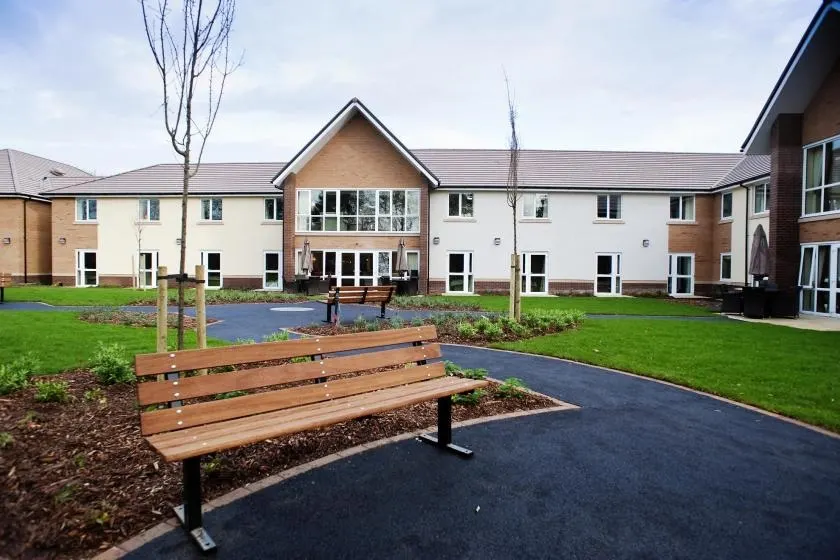
What Should You Look for in a Professional Dementia Care Home Builder?
Choosing the right dementia care home builder can make a significant difference to the comfort, safety, and quality of life of residents. Dementia care environments require more than attractive interiors. They need thoughtful layouts, safe movement routes, accessible facilities, calming spaces, and practical features that support residents and care teams every day.
A professional builder understands these needs and combines construction expertise with a strong understanding of dementia-friendly design. Whether you are developing a new care facility or planning care home refurbishment, the right construction partner can help you create a welcoming environment that supports independence and effective care.
Why Is Experience Important When Choosing a Dementia Care Home Builder?
Experience plays an important role in dementia care construction. A builder with relevant experience understands how different design decisions can affect residents with memory loss, confusion, reduced mobility, or sensory challenges.
Experienced professionals can identify potential risks during the planning stage. They can recommend suitable flooring, lighting, doors, handrails, bathrooms, communal areas, and bedroom layouts. They also understand how to create spaces that encourage residents to move safely without creating unnecessary confusion.
A knowledgeable dementia care home builder should also understand the practical needs of care staff. Well-designed spaces can make daily tasks easier while improving visibility and accessibility throughout the facility.
How Can a Builder Create a Dementia-Friendly Environment?
Dementia-friendly design focuses on creating spaces that feel familiar, safe, and easy to navigate. A professional builder should work closely with architects, designers, care providers, and other specialists to achieve these goals.
Clear circulation routes can help residents move around with greater confidence. Distinctive colours, familiar features, appropriate signage, and good lighting can also help residents recognise important areas.
Builders should consider both private and communal spaces. Bedrooms should provide comfort and familiarity, while lounges, dining rooms, gardens, and activity areas should encourage social interaction and engagement.
The best approach combines practical construction with thoughtful design rather than treating dementia care as an afterthought.
What Safety Features Should a Professional Care Home Builder Include?
Safety should remain a major priority throughout every dementia care project. Residents may experience difficulties with balance, orientation, depth perception, or recognising potential hazards. A suitable construction plan should address these challenges.
A professional builder may incorporate non-slip flooring, appropriate handrails, secure doors, accessible bathrooms, suitable lighting, and clear pathways. They should also reduce unnecessary trip hazards and ensure that key areas remain easy to access.
Good visibility is another important consideration. Staff need to monitor residents without making the environment feel overly institutional. A thoughtful design can balance supervision with privacy and dignity.
Why Does Lighting Matter in Dementia Care Design?
Lighting can strongly influence how residents perceive their surroundings. Poor lighting may increase confusion, create shadows, or make obstacles difficult to identify.
A professional builder should consider natural and artificial lighting during the design process. Large windows, suitable positioning of rooms, and carefully planned artificial lighting can help create brighter and more comfortable spaces.
Consistent lighting can also make transitions between different areas easier. Builders should avoid excessive glare and confusing contrasts where possible.
How Can Care Home Refurbishment Improve Existing Dementia Facilities?
Older care homes may have outdated layouts, worn finishes, poor accessibility, or facilities that no longer meet modern expectations. Care home refurbishment provides an opportunity to improve these areas without necessarily replacing the entire building.
A skilled builder can assess the existing property and identify practical improvements. These may include upgrading bathrooms, improving bedrooms, redesigning communal spaces, replacing flooring, improving lighting, updating entrances, and creating more accessible outdoor areas.
Refurbishment can also improve the atmosphere of a facility. Warm materials, comfortable furnishings, attractive communal areas, and familiar design features can help create a more homely environment.
At Care Home Builders, careful planning can help ensure that refurbishment work improves the building while limiting unnecessary disruption to residents and staff.
What Should You Ask About the Builder’s Project Management Process?
Construction work inside an operating care home requires careful planning. Before selecting a builder, ask how the company manages projects involving vulnerable residents.
A professional team should provide a clear project schedule and explain how it will control noise, dust, access restrictions, and other disruptions. The builder should also communicate regularly with management and care staff throughout the project.
Good project management helps prevent avoidable delays and allows care providers to prepare residents for changes in their surroundings. This becomes particularly important during refurbishment projects where residents may remain in the building.
How Important Are Quality Materials and Finishes?
The materials used inside a dementia care home should combine durability, safety, comfort, and visual appeal. High-traffic areas require finishes that can withstand regular use while remaining easy to maintain.
Flooring deserves particular attention. It should provide suitable grip without creating confusing patterns or visual effects. Walls, doors, fixtures, and furniture should also work together to create a clear and calming environment.
A professional builder should explain why particular materials are suitable instead of simply choosing products based on appearance or price.
Should a Builder Consider Residents’ Emotional Well-Being?
Absolutely. Dementia care construction should support emotional well-being as well as physical safety. Residents often benefit from environments that feel familiar rather than clinical.
Builders and designers can incorporate comfortable seating areas, quiet rooms, accessible gardens, natural materials, and familiar visual features. Creating smaller social spaces can also help residents feel less overwhelmed than they might in large, open areas.
Personalisation can make a major difference. Residents should have opportunities to recognise their own rooms and navigate common areas with greater confidence.
How Can You Evaluate a Builder Before Starting Your Project?
Before hiring a professional, review their experience, previous projects, communication process, construction standards, and understanding of dementia-friendly environments. Ask for examples of similar work and discuss your project’s specific requirements.
You should also request a clear quotation and project timeline. A reliable builder should explain the scope of work, materials, expected stages, and potential challenges.
At Care Home Builders, selecting a construction partner that understands both care environments and refurbishment requirements can help you achieve a safer, more welcoming, and functional facility.
What Makes the Right Dementia Care Home Builder a Valuable Partner?
The right builder does more than complete construction work. They become a valuable project partner who understands the needs of residents, families, care professionals, and facility owners.
Look for a team that combines experience, communication, quality workmanship, safety awareness, and dementia-friendly design knowledge. Whether you are developing a new facility or planning care home refurbishment, these qualities can help you achieve better long-term results.
A successful dementia care environment should feel safe, comfortable, familiar, and welcoming. By choosing a professional dementia care home builder, you can create a facility that supports residents while helping care teams deliver effective daily care.