
What Should You Check Before Buying a G Thread to NPT Adapter?
Before buying a g thread to npt adapter, confirm the thread standards on both sides. G thread, also called BSPP, uses a parallel thread, while NPT uses a tapered thread. These systems have different thread profiles and sealing methods, so they are not automatically compatible.
Check the product specifications carefully to identify the G thread size and NPT size. For example, a G1/2 to 1/2-inch NPT adapter has specific dimensions that may differ from another adapter with a similar-looking size. Choosing the correct combination prevents leaks, poor connections, and installation problems.
How Can You Confirm the Correct Adapter Size?
Size plays an important role when selecting an adapter. Measure the existing connection or check the manufacturer’s specifications before ordering. Do not rely only on visual comparison because threaded fittings can look similar while having different dimensions.
If you are connecting a plumbing fixture, shower fitting, valve, or pipe component, identify the size of the existing male or female thread. Then select an adapter that provides the correct connection on both ends.
A properly sized g thread to npt adapter should screw into the intended fitting smoothly without excessive force. If the threads feel tight immediately, stop installation and verify the specifications.
Does the Adapter Need Male or Female Threads?
You should also check whether your application requires male or female threads. Adapters can have different combinations, such as female G thread to male NPT or male G thread to female NPT.
Consider the components you want to connect before choosing the fitting. If both components have male threads, you may need an adapter with two female ends. If one component has a female connection and the other has a male connection, choose the appropriate configuration.
Getting this detail right makes installation easier and reduces the risk of damaging the threads.
What Material Should You Choose?
The material of the adapter can affect durability, corrosion resistance, and suitability for your application. Common options include brass, stainless steel, and other engineered materials.
For many plumbing and shower applications, brass offers a practical combination of strength and corrosion resistance. Stainless steel can provide additional durability in environments where corrosion resistance matters.
Think about water exposure, temperature, pressure, and installation conditions before making your choice. A high-quality material can help the adapter maintain a reliable connection for longer.
Is the Adapter Suitable for Water Applications?
If you plan to use the adapter with a shower, faucet, or other plumbing fixture, verify that it is designed for water applications. Check the manufacturer’s specifications for pressure and temperature ratings.
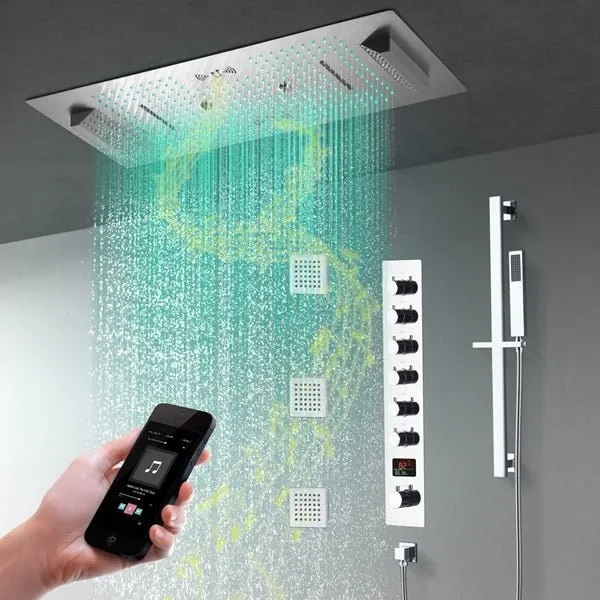
This step becomes especially important when installing a recessed shower head. A shower connection must handle regular water pressure while maintaining a secure seal. The adapter should match the plumbing system and the shower fixture without creating unnecessary stress on the connection.
Do not assume that every threaded adapter works equally well for every plumbing application.
How Important Is the Sealing Method?
G thread and NPT connections can use different sealing approaches. NPT threads commonly create a seal through the tapered thread, while G threads generally require a separate sealing element such as a washer or gasket, depending on the fitting design.
Check whether the adapter requires thread sealant, PTFE tape, an O-ring, or a gasket. Follow the manufacturer’s installation instructions instead of applying excessive sealant.
Using the correct sealing method helps prevent leaks and protects the threads from unnecessary damage.
Should You Check Pressure and Temperature Ratings?
Yes. Always check the adapter’s pressure and temperature limits before installation. A fitting that works for a low-pressure application may not be appropriate for a higher-pressure system.
For shower installations, consider the normal water pressure and temperature in your plumbing system. The adapter should comfortably handle those conditions.
Checking these specifications provides an additional layer of protection and helps you select a fitting that can perform reliably under normal operating conditions.
What Should You Check for a Recessed Shower Head?
A recessed shower head often requires careful planning because the fitting sits within or close to the ceiling or wall surface. You should confirm the connection size, thread type, available installation depth, and required adapter configuration before purchasing.
Measure the available space and compare it with the dimensions of the adapter. A fitting that is too long can interfere with the installation, while one that is too short may not create a secure connection.
Also consider the direction of the connection. The adapter should allow the shower head to sit correctly without placing excessive pressure on the pipe or fitting.
Why Should You Consider the Adapter’s Overall Dimensions?
Thread size is only one part of the selection process. Pay attention to the adapter’s length, outer diameter, connection depth, and shape.
A compact adapter can work better in installations where space is limited. This can prove particularly useful when installing concealed plumbing components or a recessed shower head.
Review the technical drawing or product dimensions whenever they are available. These details can help you determine whether the adapter will fit comfortably into your installation area.
How Can You Check Product Quality?
Look for an adapter manufactured with accurate threads and a consistent finish. Poorly machined threads can make installation difficult and may cause leaks or premature wear.
Check the product description for material information, thread standards, dimensions, and intended applications. Buying from a reliable supplier also gives you better access to accurate product specifications.
Horizon Direct Depot provides plumbing and shower-related products designed to support practical installation requirements. Before ordering, compare the product specifications with your existing fittings to make sure you select the right configuration.
What Installation Mistakes Should You Avoid?
Avoid forcing incompatible threads together. If the fitting does not engage smoothly, remove it and verify the thread type and size.
You should also avoid overtightening the adapter. Excessive force can damage threads, crack components, or create installation problems. Use the recommended tightening method and sealing material for the fitting.
Another common mistake involves confusing G thread measurements with NPT measurements. Similar nominal sizes do not necessarily mean that the threads are interchangeable.
Should You Compare Price With Quality?
Price matters, but it should not become the only deciding factor. A low-cost adapter may save money initially but create additional costs if it leaks, fails, or requires replacement.
Compare the material, dimensions, thread accuracy, pressure rating, and intended application. A dependable adapter can provide better long-term value than a cheaper fitting with unclear specifications.
If you are purchasing several components for a shower installation, make sure every fitting works together as part of the complete system.
What Final Checks Should You Make Before Buying?
Before purchasing a g thread to npt adapter, confirm the following:
- G thread size and NPT size
- Male or female thread configuration
- Adapter material
- Pressure and temperature ratings
- Required sealing method
- Overall adapter dimensions
- Compatibility with your plumbing fixture
- Available installation space
- Manufacturer specifications
- Intended water or plumbing application
These checks can make the buying process much easier and help you avoid compatibility problems.
Horizon Direct Depot can be a useful option when you are comparing fittings and shower components for a planned installation. Take time to review the specifications before ordering, especially when the adapter will connect different thread standards.
How Can the Right Adapter Improve Your Installation?
Choosing the correct adapter creates a more reliable connection between components with different thread standards. It can simplify installation, reduce the risk of leaks, and help your shower or plumbing fixture operate as intended.
Whether you are connecting standard plumbing components or installing a recessed shower head, start by identifying the thread types, sizes, materials, and space requirements. A few careful checks before purchase can prevent expensive installation mistakes later.
By focusing on compatibility rather than appearance or price alone, you can choose a g thread to npt adapter that suits your application and provides a secure, practical connection.