
What is the average production timeline for bulk orders from an anarkali kurti manufacturer?
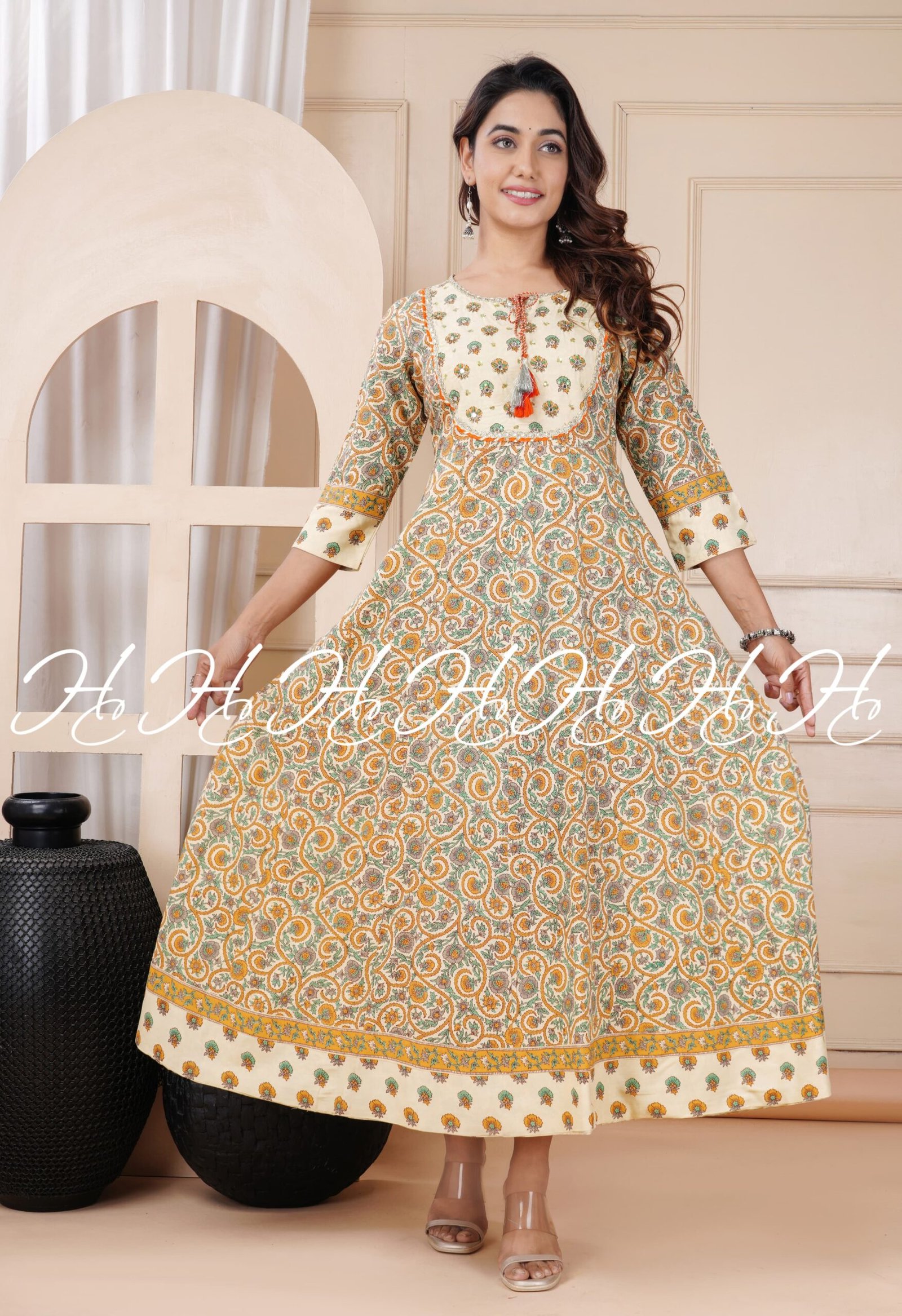
When you place a bulk order with an anarkali kurti manufacturer, one of the first questions you ask is about the production timeline. Understanding how long the process takes helps you plan inventory, marketing, and seasonal launches. While timelines vary based on order size, customization, and fabric availability, most professional manufacturers follow a structured workflow that ensures consistency and quality without unnecessary delays.
If you work with an experienced anarkali kurti manufacturer in jaipur, you will usually see a clear production roadmap. Manufacturers in Jaipur are known for blending traditional craftsmanship with organized production systems, which directly impacts turnaround time.
Let’s break down the stages that shape the average bulk production timeline.
Initial Consultation and Design Finalization (3–7 Days)
The process starts with communication. During this stage, you share your requirements — styles, fabrics, embroidery, sizing, color palettes, and quantity. A professional kurti manufacturer in jaipur actively collaborates with you to finalize silhouettes, measurements, and embellishment details.
If you choose ready catalog designs, this phase moves quickly. However, custom patterns or exclusive embroidery extend the timeline slightly. Sampling may also occur during this period, ensuring the final design matches expectations before full production begins.
Fabric Sourcing and Preparation (5–10 Days)
Fabric availability plays a major role in the schedule. Cotton, silk blends, rayon, and georgette are common choices for Anarkali kurtis. Established manufacturers maintain vendor networks, allowing them to procure materials efficiently.
Once fabrics arrive, teams inspect, wash (if required), and prepare them for cutting. This quality control step prevents shrinkage, dye bleeding, or texture inconsistencies later in the production process.
Reliable sourcing reduces unexpected delays, which is why working with an organized manufacturing hub makes a visible difference in delivery speed.
Cutting and Embellishment Work (7–14 Days)
This stage transforms raw fabric into garment components. Skilled technicians mark and cut panels with precision, especially important for Anarkali silhouettes that require symmetry and flare balance.
If your order includes embroidery, prints, or hand embellishments, artisans begin their work here. Intricate zari, threadwork, or mirror detailing naturally adds time. Machine embroidery accelerates output, while handcrafted elements require careful execution.
Bulk orders benefit from assembly-line workflows where multiple teams handle different garment sections simultaneously, improving efficiency without compromising craftsmanship.
Stitching and Assembly (7–12 Days)
Once components are ready, stitching begins. Professional production lines divide tasks — bodice construction, sleeve attachment, lining insertion, and flare joining — to maintain consistency.
An experienced manufacturer prioritizes sizing accuracy during assembly. For bulk buyers, maintaining uniform measurements across hundreds or thousands of pieces is critical. Quality supervisors monitor each stage to ensure stitching strength, finishing, and garment fall meet standards.
This structured workflow allows manufacturers to scale production while maintaining timelines.
Finishing, Quality Checks, and Packaging (3–6 Days)
After stitching, garments move into finishing. Workers trim threads, press garments, inspect embellishments, and conduct final quality checks. Every piece must pass visual and structural inspection before approval.
Packaging teams then fold, tag, and prepare kurtis for dispatch. Many manufacturers offer custom labeling and branding options during this stage, which may slightly extend processing time.
Thorough quality assurance prevents returns and strengthens buyer confidence, making this step essential despite its short duration.
Average Total Timeline: 25–50 Days
When you combine all phases, the average production timeline for bulk Anarkali kurti orders typically ranges from 25 to 50 days. Smaller catalog-based orders lean toward the shorter end, while customized or artisan-heavy designs fall toward the longer side.
Several factors influence this timeline:
- Order volume
- Complexity of embroidery
- Fabric sourcing requirements
- Custom sizing
- Seasonal demand
- Branding additions
Experienced manufacturers communicate realistic deadlines upfront, allowing buyers to align their launch strategies accordingly.
How Manufacturers Optimize Timelines
Professional kurti manufacturers don’t rely on guesswork. They streamline operations through:
- Pre-approved fabric suppliers
- Skilled artisan networks
- Parallel production workflows
- In-house quality teams
- Inventory planning
Manufacturing hubs with strong infrastructure reduce bottlenecks, ensuring smoother turnaround even during peak seasons like festivals or wedding periods.
Buyers who maintain clear communication and approve samples quickly also help accelerate timelines.
Planning Your Bulk Order Strategically
If you want predictable delivery, plan your order well ahead of seasonal peaks. Confirm specifications early, approve samples promptly, and stay aligned with the production schedule.
Experienced manufacturers appreciate organized buyers — it allows them to allocate resources efficiently and meet deadlines without rushing craftsmanship.
Clear documentation, size charts, and finalized artwork prevent revisions that could push timelines further.
Final Thoughts
Bulk production timelines for Anarkali kurtis balance craftsmanship with operational efficiency. While every order has unique requirements, structured workflows ensure consistency and timely delivery.