

What Are the Risks of Dental Implants With Bone Loss?
Dental implants are widely recognized as the gold standard for replacing missing teeth. They offer durability, natural appearance, and functionality that closely mimics natural teeth. However, not every patient is an ideal candidate, especially when there is significant jawbone loss. Understanding the risks of dental implants with bone loss is essential before proceeding with treatment. In this article, we will explore the potential challenges, precautions, and solutions for patients considering Dental Implants With Bone Loss in Houston, TX, and how Vip Dental Implants ensures safe, effective procedures.
Why Is Bone Density Important for Dental Implants?
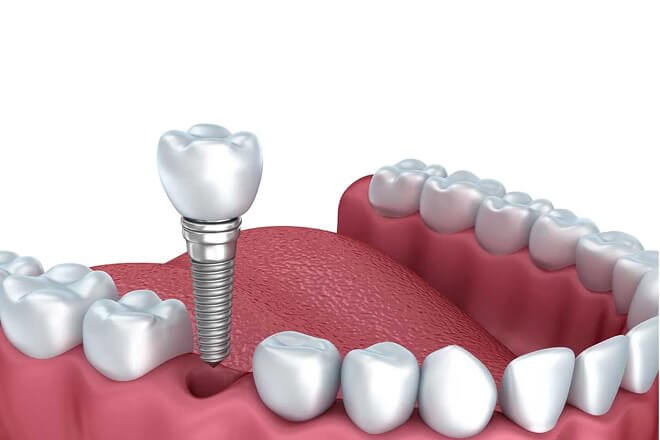
The success of dental implants with bone loss heavily depends on the quality and quantity of the jawbone. Implants are titanium posts surgically inserted into the jawbone, serving as a stable foundation for artificial teeth. Adequate bone density is necessary because:
- Osseointegration: The implant must fuse with the bone for stability. Low bone density reduces the surface area for this fusion, increasing the risk of implant failure.
- Support for Prosthetics: Bone provides the support needed for crowns, bridges, or dentures attached to implants. Without enough bone, the prosthetic may feel loose or unstable.
- Aesthetic Results: Bone loss can alter the jaw’s shape, leading to an unnatural appearance if implants are placed improperly.
Patients with significant bone loss face additional challenges, but modern dentistry offers solutions that improve outcomes, especially at advanced clinics like Vip Dental Implants.
What Are the Common Risks of Dental Implants With Bone Loss?
While dental implants have a high success rate overall, patients with compromised bone face unique risks. These include:
- Implant Failure
Insufficient bone prevents the implant from fusing correctly, resulting in loosening or failure. Implant failure can occur soon after placement or even months later. Signs of failure include persistent pain, mobility of the implant, and inflammation around the gum.
- Infection
Bone loss can create pockets or gaps where bacteria can accumulate, increasing the risk of peri-implantitis—a severe infection that can compromise both bone and implant. Effective oral hygiene and regular checkups with a Teeth Implants Houston TX specialist help minimize this risk.
- Nerve Damage
If the jawbone is thin or has deteriorated, implants may impinge on nearby nerves, causing numbness, tingling, or chronic pain. Pre-surgical imaging and planning are critical to avoid nerve injury.
- Sinus Problems
For upper jaw implants, bone loss can bring implants dangerously close to the sinus cavity. This may lead to sinus infections or sinus perforation if not carefully managed by experienced implant surgeons.
- Poor Aesthetic Outcomes
Bone loss often leads to sunken facial appearance or uneven gum lines, which can affect how natural the implant looks. Bone grafting and advanced planning can mitigate these aesthetic concerns.
How Can Patients Reduce the Risks of Implants With Bone Loss?
Patients can take several steps to reduce risks and improve success rates for dental implants with bone loss.
- Bone Grafting
Bone grafting involves adding bone material to the jaw to increase density and volume. This may come from the patient’s own body, a donor, or synthetic sources. Bone grafting significantly improves the chances of implant success.
- Sinus Lift Procedures
For implants in the upper jaw, a sinus lift can raise the sinus floor and provide additional bone height. This procedure prevents sinus complications and ensures proper implant stability.
- Choosing the Right Implant Type
Certain implant designs, like short or angled implants, are specially made for patients with reduced bone. These implants provide secure anchorage without requiring extensive bone grafting.
- Advanced Imaging and Planning
Modern dental clinics use 3D imaging and computer-guided surgery to assess bone quality, plan implant placement, and avoid complications. Clinics like Vip Dental Implants use advanced imaging to personalize treatment for every patient.
- Proper Oral Hygiene
Even the most skilled surgical intervention cannot overcome poor oral hygiene. Patients must commit to brushing, flossing, and regular dental checkups to prevent infection and maintain implant health.
Who Is at Higher Risk for Bone Loss and Implant Complications?
Not every patient experiences the same risk level. Certain factors contribute to higher likelihood of implant complications:
- Advanced Age: Bone density naturally decreases with age.
- Chronic Diseases: Conditions like diabetes, osteoporosis, or immune disorders can affect bone health and healing.
- Smoking and Alcohol Use: These habits impair healing and increase infection risk.
- Previous Tooth Loss: Longer periods without teeth can accelerate jawbone deterioration.
Patients should provide their full medical history to their Teeth Implants Houston TX provider to ensure a safe and customized treatment plan.
Are There Alternatives to Implants for Patients With Severe Bone Loss?
For patients with extensive bone loss, dental implants may not be feasible without extensive surgical procedures. Alternatives include:
- Removable Dentures: Affordable and non-invasive, dentures are a temporary or permanent solution.
- Fixed Bridges: Require adjacent healthy teeth but avoid major bone surgery.
- Zygomatic Implants: Longer implants anchored in the cheekbone for severe upper jaw bone loss.
A consultation with experienced professionals at Vip Dental Implants can help determine the best option based on the patient’s bone structure and overall oral health.
How Long Is the Recovery for Patients With Bone Loss?
Recovery time can be longer for patients undergoing bone grafts or sinus lifts before implant placement. Typically:
- Initial Healing: 1–2 weeks for gum tissue recovery.
- Bone Integration: 3–6 months for the grafted bone to fuse properly with the jaw.
- Final Restoration: Placement of the crown or prosthetic after successful healing.
Following the dentist’s post-operative care instructions is crucial to prevent complications.
Conclusion: Are Dental Implants Safe With Bone Loss?
While dental implants with bone loss carry additional risks, they are not automatically disqualified from treatment. With proper planning, advanced techniques, and expert care, successful outcomes are achievable. Patients considering Teeth Implants Houston TX should seek consultation with specialized clinics like Vip Dental Implants, which offer comprehensive evaluations, bone grafting options, and cutting-edge surgical procedures to minimize risks.
Understanding the potential challenges and working with experienced professionals ensures that dental implants provide long-lasting, functional, and aesthetically pleasing results, even in the presence of bone loss.