
What Are the Main Shower Faucet Valve Parts?
A shower faucet may look simple from the outside, but several components work together behind the wall to control water flow, temperature, and pressure. Understanding the main shower faucet valve parts can help homeowners identify common problems and choose the right replacement components when repairs become necessary.
From cartridges and stems to seals and pressure-balancing mechanisms, each part has an important function. Knowing what these parts do also makes it easier to maintain your shower and avoid unnecessary plumbing costs. Whether you are replacing an old valve or upgrading your entire bathroom, a basic understanding of shower valve components can make the process much easier.
What Does a Shower Faucet Valve Do?
A shower faucet valve controls how water enters the shower system. It regulates both the water flow and temperature before the water reaches the showerhead or tub spout.
When you turn the shower handle, the valve opens or closes internal passages. This action determines how much hot and cold water enters the system. Modern valves can also help prevent sudden temperature changes when another fixture in the home uses water.
The valve sits behind the wall, while the handle and decorative trim remain visible. Because most of its components stay hidden, homeowners often do not realize how many individual parts contribute to a smooth showering experience.
Which Are the Main Shower Faucet Valve Parts?
Several components make up a typical shower faucet valve. While designs vary between manufacturers, most systems include some common parts.
Cartridge: The cartridge controls water flow and temperature in many single-handle shower faucets. Over time, mineral buildup and wear can cause the cartridge to become stiff, leak, or produce inconsistent water temperatures.
Valve body: The valve body houses the internal components and connects the hot and cold water supply lines. It forms the main structure of the shower valve.
Valve stem: Traditional compression-style and some older faucet designs use a stem to control water flow. Turning the handle moves the stem and changes the water passage.
O-rings and seals: These small components prevent water from leaking around moving parts and connections. A worn seal can lead to dripping or water leakage behind the handle.
Pressure-balancing spool: This component helps maintain a more consistent shower temperature when water pressure changes elsewhere in the house.
Temperature limit stop: Many modern shower valves include a temperature limit stop. It prevents the handle from turning too far toward the hottest setting, helping reduce the risk of scalding.
How Does the Shower Cartridge Affect Performance?
The cartridge plays one of the biggest roles in a modern shower faucet. It moves or rotates inside the valve body as you operate the handle.
A damaged cartridge can create several problems. You may notice dripping after shutting off the shower, difficulty adjusting temperature, weak water flow, or a handle that feels unusually tight.
Mineral deposits can also build up inside the cartridge, especially in areas with hard water. Regular maintenance can help, but severely worn cartridges usually require replacement.
Before purchasing a replacement, check the faucet manufacturer and valve model. Cartridges can look similar but have different dimensions and internal designs.
Why Are O-Rings and Seals Important?
O-rings and seals may be small, but they play a major role in preventing leaks. They create watertight barriers between different components inside the valve.
When these seals become brittle, cracked, or compressed, water can escape around the cartridge or stem. A small leak around a handle may therefore indicate a worn internal seal rather than a problem with the visible faucet itself.
Replacing the correct seal can sometimes solve a minor leak without replacing the entire valve assembly. However, homeowners should always turn off the water supply before attempting internal faucet repairs.
What Is a Pressure-Balancing Valve?
A pressure-balancing valve helps maintain a safer and more comfortable shower temperature. Imagine someone flushes a toilet while you are showering. The cold-water pressure may suddenly decrease, which could cause the shower temperature to rise.
A pressure-balancing mechanism responds to this pressure change by adjusting the water supply inside the valve. It helps keep the temperature more stable.
This feature has become common in modern shower systems because it improves comfort and helps protect users from sudden temperature changes.
How Does a Thermostatic Valve Differ?
A thermostatic shower valve focuses primarily on maintaining a selected water temperature. Instead of simply reacting to pressure changes, the thermostatic mechanism senses water temperature and adjusts the hot and cold water mixture.
This design can provide more precise temperature control. It also works well in higher-end bathroom systems where users want consistent performance.
When choosing between different valve systems, consider your household’s needs, plumbing configuration, and the type of shower fixtures you plan to install.
Can Shower Faucet Valve Parts Improve Water Flow?
Yes. Worn or clogged components can restrict water flow. Mineral deposits may collect inside cartridges, valve openings, or other internal passages.
Replacing damaged shower faucet valve parts can restore proper performance when the valve itself remains compatible with the plumbing system. However, low water pressure may also result from clogged showerheads, supply-line restrictions, or broader plumbing issues.
If the shower has experienced reduced flow for a long time, inspect the entire system instead of replacing one component immediately.
How Do Shower Valves Work With Modern Showerheads?
Today’s shower systems offer more features than traditional fixtures. Some homeowners combine modern valves with handheld showerheads, rainfall fixtures, body sprays, or smart accessories.
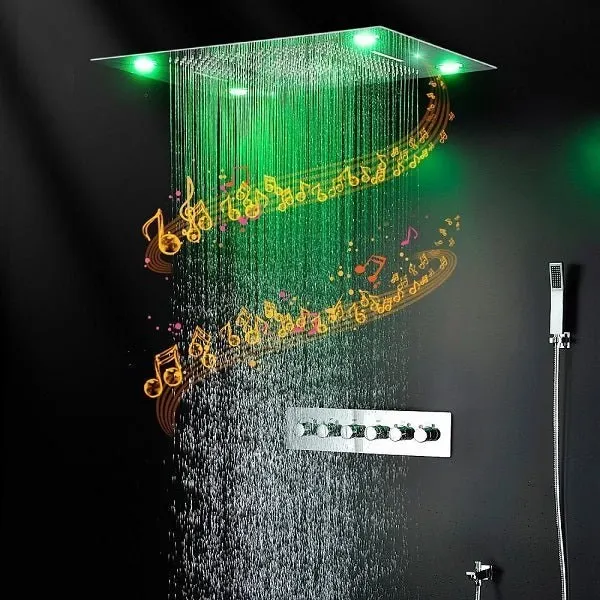
For example, best bluetooth shower heads can add wireless audio features to the showering experience while the faucet valve continues to manage water flow and temperature. These functions operate separately, so choosing a Bluetooth showerhead does not eliminate the need for a properly functioning valve.
A reliable valve provides the foundation for the entire shower system. Once water flow and temperature work correctly, you can add accessories that improve convenience and enjoyment.
When Should You Replace Shower Faucet Valve Parts?
You should consider replacing a component when you notice persistent dripping, inconsistent temperature, a stiff handle, unusual water flow, or leakage around the faucet handle.
Do not automatically replace the entire valve when only one internal part has failed. In many cases, replacing a cartridge, seal, stem, or other compatible component can solve the problem.
However, an older valve may have multiple worn components. In that situation, a complete valve replacement may provide a longer-lasting solution, particularly during a bathroom renovation.
How Can You Choose the Right Replacement Parts?
Start by identifying the faucet brand, model, and valve type. Take note of whether your system uses a cartridge, ceramic disc, compression stem, pressure-balancing valve, or thermostatic valve.
Measurements also matter. Even components that appear identical can have different dimensions or connection types.
Choose quality replacement components designed for your specific valve. Poorly matched parts can cause leaks, difficult handle movement, or inconsistent water temperature.
At Horizon Direct Depot, understanding the purpose of each component can help you make more informed decisions when maintaining or upgrading your shower system. Selecting compatible parts can improve reliability and extend the useful life of your bathroom fixtures.
Why Is Regular Shower Valve Maintenance Important?
Regular maintenance helps you catch small problems before they become expensive repairs. Check for dripping faucets, unusual handle resistance, temperature fluctuations, and visible signs of corrosion.
Clean mineral deposits from accessible components and avoid forcing a stiff handle. Excessive force can damage internal parts and create a larger plumbing problem.
If a leak appears to originate behind the wall, contact a qualified plumber rather than attempting extensive repairs without the right tools or knowledge.
A well-maintained shower valve provides consistent water control and supports the performance of modern shower fixtures. Horizon Direct Depot can be part of your search for suitable shower components when you are planning repairs, replacements, or bathroom upgrades.
What Should You Remember About Shower Faucet Valve Parts?
Understanding the main shower faucet valve parts makes shower maintenance easier. Cartridges, valve bodies, stems, O-rings, seals, pressure-balancing mechanisms, and temperature limit stops all contribute to reliable performance.
When a shower begins leaking or develops temperature problems, identify the faulty component before replacing everything. Match replacement parts carefully with the existing valve and follow safe plumbing practices.
A properly functioning valve also provides a strong foundation for modern accessories, including best bluetooth shower heads and other upgraded shower fixtures. With the right components and regular maintenance, you can keep your shower comfortable, efficient, and dependable for years.