

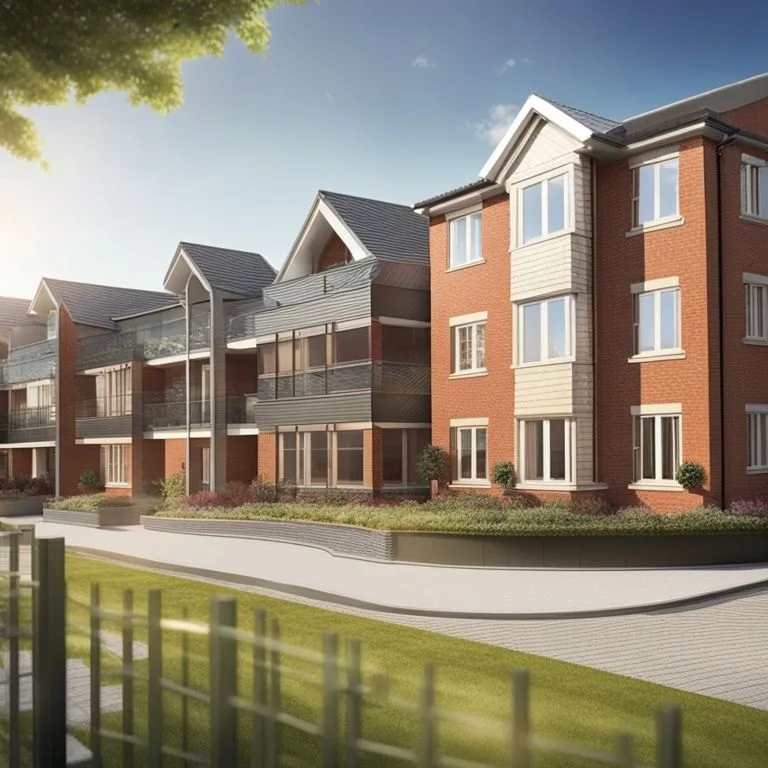
What Are the Key Features of Modern Retirement Village Construction?
Modern retirement villages provide older adults with a comfortable, secure, and independent lifestyle. As people’s needs change with age, retirement communities must offer more than basic accommodation. They should create welcoming environments that support physical health, emotional well-being, social connections, and everyday convenience.
Today, retirement village construction focuses on combining modern architecture, accessibility, safety, and sustainable building practices. Developers design these communities to help residents enjoy their retirement while accessing essential facilities and support services.
From comfortable living spaces to landscaped gardens and advanced safety systems, every feature plays an important role in creating a better living experience. Understanding these features helps developers, investors, and care providers make informed construction decisions.
1. How Does Accessible Design Improve Everyday Living?
Accessibility is one of the most important features of modern retirement villages. Older adults may experience reduced mobility, balance difficulties, or other age-related challenges. Therefore, buildings should make everyday activities easier and safer.
Modern retirement village construction includes several accessibility features, such as:
- Wide doorways and spacious hallways.
- Step-free entrances and accessible pathways.
- Non-slip flooring in bathrooms and kitchens.
- Handrails along corridors and staircases.
- Accessible lifts between different floors.
- Walk-in showers and user-friendly bathroom fittings.
These features allow residents to move around comfortably without unnecessary physical barriers. Developers should also consider wheelchair accessibility and provide enough turning space in important areas.
By prioritising accessible design, construction companies create homes that support independence and reduce the risk of accidents.
2. Why Are Safety and Security Essential in Retirement Villages?
Safety plays a major role in creating a comfortable retirement environment. Residents and their families want reassurance that the community provides reliable protection and quick access to assistance.
Modern retirement villages incorporate several safety measures to achieve this goal. CCTV monitoring, secure entry systems, well-lit outdoor areas, and emergency communication facilities help improve overall security.
Fire safety also requires careful attention. Developers should install smoke detectors, fire alarms, sprinkler systems, emergency lighting, and clearly marked evacuation routes.
In addition, emergency call systems allow residents to request assistance when necessary. Thoughtful building layouts also help staff respond quickly during emergencies.
When developers include these features from the planning stage, they create safer environments for residents, visitors, and employees.
3. What Role Does Comfortable Living Space Play?
Comfortable accommodation directly influences residents’ quality of life. Modern retirement villages should offer practical layouts, attractive interiors, and enough personal space to support independent living.
Developers can create different accommodation options, including private apartments, independent living units, and assisted living spaces. Each option should reflect the needs and preferences of its intended residents.
Important design considerations include:
- Spacious bedrooms and comfortable living areas.
- Natural lighting and effective ventilation.
- Modern kitchens with accessible storage.
- Private outdoor spaces, balconies, or patios.
- Energy-efficient heating and cooling systems.
- Quiet interiors that support relaxation.
A well-designed home should feel welcoming rather than institutional. Developers must balance practical requirements with attractive architectural features to create spaces where residents feel comfortable and valued.
4. How Do Communal Facilities Encourage Social Interaction?
Retirement should provide opportunities for people to build friendships, explore interests, and enjoy meaningful activities. Communal facilities help residents maintain active social lives and reduce feelings of isolation.
Modern retirement villages often include shared spaces such as:
- Community halls and multipurpose rooms.
- Restaurants, cafés, and dining areas.
- Libraries and reading lounges.
- Fitness centres and wellness rooms.
- Hobby rooms and creative activity spaces.
- Outdoor seating and landscaped gardens.
These facilities encourage residents to participate in group activities and develop stronger relationships with their neighbours.
Developers should position communal spaces in convenient locations and ensure that residents can access them without difficulty. Comfortable seating, accessible toilets, and suitable lighting also improve their usability.
A community-focused approach makes retirement villages more welcoming and enjoyable.
5. Why Should Retirement Villages Include Outdoor Green Spaces?
Outdoor environments contribute significantly to residents’ physical and emotional well-being. Gardens, walking paths, and peaceful seating areas give older adults opportunities to spend time outdoors and enjoy nature.
Modern construction projects increasingly incorporate landscaped gardens, accessible pathways, shaded seating, and attractive courtyard spaces.
Developers should select plants that require manageable maintenance and avoid creating unnecessary obstacles along walking routes. They can also include raised garden beds to help residents participate in gardening without excessive bending.
Outdoor spaces should provide safe walking surfaces, adequate lighting, and convenient resting points.
These thoughtful features encourage gentle physical activity, social interaction, and relaxation while making the overall community more attractive.
6. How Does Sustainable Construction Benefit Retirement Communities?
Sustainability has become an important consideration in modern building projects. Retirement villages should provide comfortable indoor environments while managing energy and water consumption responsibly.
Developers can incorporate several environmentally friendly features, including:
- Solar panels and renewable energy systems.
- Energy-efficient lighting and appliances.
- Insulated walls, roofs, and windows.
- Rainwater harvesting systems.
- Water-efficient bathroom fittings.
- Sustainable and durable construction materials.
These improvements can reduce operating expenses and support long-term building performance.
Sustainable design also improves indoor comfort through better temperature control, natural lighting, and ventilation. Developers should consider the local climate and environmental conditions when selecting suitable construction methods.
7. What Makes Care Home Renovation Important for Modern Facilities?
Existing retirement and care facilities sometimes need improvements to meet changing resident expectations, safety standards, and accessibility requirements. This is where care home renovation becomes particularly valuable.
Renovation projects can transform outdated spaces into modern, functional, and comfortable environments without necessarily requiring complete reconstruction.
Common improvement areas include bathroom upgrades, improved lighting, accessible entrances, modern communal facilities, and better heating and ventilation systems.
Developers should assess the existing building before planning renovation work. They must identify structural concerns, accessibility problems, outdated equipment, and areas that require improved safety measures.
Careful project planning also helps minimise disruption to residents and staff. Working with experienced professionals ensures that renovation projects address practical requirements while maintaining a welcoming atmosphere.
8. How Does Smart Technology Improve Retirement Village Construction?
Technology plays an increasingly important role in modern retirement communities. Smart building systems can improve convenience, security, energy management, and access to assistance.
Useful technologies include automated lighting, smart thermostats, electronic access controls, security monitoring, and emergency alert systems.
Some communities also incorporate digital communication platforms that help residents stay connected with staff, family members, and community activities.
Developers should select simple, reliable technologies that residents can use comfortably. They should also consider staff training, system maintenance, and data security when planning technology installations.
When integrated thoughtfully, smart technology makes retirement living more convenient and supports efficient facility management.
9. Why Should Developers Choose Experienced Construction Professionals?
Building a retirement village requires specialist knowledge, careful planning, and an understanding of older adults’ needs. Experienced construction professionals can coordinate architectural design, accessibility requirements, safety systems, material selection, and project management.
They also understand the importance of balancing construction budgets with long-term quality and functionality.
At Care Home Builders, attention to practical design, quality workmanship, and resident-focused environments helps shape modern care and retirement facilities.
Choosing the right construction partner can improve project coordination, reduce avoidable delays, and ensure that important building requirements receive proper attention.
Conclusion
Modern retirement villages must combine comfort, accessibility, safety, sustainability, and community-focused design. From spacious accommodation and landscaped gardens to smart technology and communal facilities, every feature contributes to a better retirement experience.
Both new retirement village construction and thoughtful care home renovation help create environments that respond to changing resident needs. Developers should focus on long-term functionality, practical design, and high-quality construction to deliver successful projects.