
What Are Pilates Apparatus Classes and How Can They Improve Your Fitness?
Pilates has become a popular fitness method for people who want to improve strength, flexibility, balance, and overall physical health. While traditional mat Pilates focuses on bodyweight movements, Pilates apparatus classes introduce specialised equipment that helps participants perform controlled exercises with additional support and resistance. These classes offer an effective way to develop core strength, improve posture, and build better body awareness.
Whether you are a beginner, an experienced fitness enthusiast, or a teenager interested in developing healthy exercise habits, apparatus-based Pilates can offer several benefits. Understanding how these classes work can help you decide whether they fit your fitness goals.
What Are Pilates Apparatus Classes?
Pilates apparatus classes involve exercises performed with specially designed equipment that supports controlled movements and strengthens different muscle groups. Unlike mat-based sessions, these classes use resistance, springs, straps, and adjustable platforms to create different exercise challenges.
Some commonly used Pilates equipment includes:
- Reformer: A sliding carriage with springs, straps, and adjustable resistance that supports a wide range of exercises.
- Cadillac: A specialised apparatus with bars, springs, and attachments for strength, mobility, and flexibility exercises.
- Wunda Chair: A compact piece of equipment that challenges balance, coordination, and muscular control.
- Pilates Barrel: An arched apparatus that supports spinal mobility, stretching, and posture exercises.
Each apparatus serves a different purpose. Instructors select exercises according to participants’ abilities, experience, and fitness goals.
How Do Pilates Apparatus Classes Work?
Pilates apparatus classes combine controlled movements, breathing techniques, and resistance-based exercises. An instructor guides participants through a structured session and explains how to use the equipment safely.
Most classes begin with a gentle warm-up to prepare the body. Participants then perform exercises that target the core, legs, arms, back, and other muscle groups. Spring resistance helps create different levels of difficulty, allowing instructors to adjust exercises according to individual needs.
Proper breathing and body alignment remain important throughout the session. Instead of rushing through repetitions, participants focus on performing each movement with control and precision.
This approach encourages better movement habits and helps participants understand how their bodies work.
How Can Pilates Apparatus Classes Improve Core Strength?
Core strength plays an important role in everyday movement, balance, and physical stability. The abdominal muscles, lower back, pelvic floor, and surrounding muscles work together to support the spine and maintain proper posture.
Pilates apparatus classes include exercises that activate these muscles through controlled movements and resistance.
For example, reformer exercises can challenge the abdominal muscles while participants maintain stability on the moving carriage. Other movements target the back and hips, helping develop balanced muscular strength.
A stronger core can support better posture, improve movement control, and make everyday activities such as walking, lifting, and bending more comfortable.
Can Pilates Apparatus Classes Improve Flexibility and Mobility?
Flexibility and mobility are essential for comfortable movement. Limited mobility can make everyday activities difficult and may affect exercise performance.
Pilates apparatus classes include stretching exercises that encourage participants to move their joints through comfortable ranges of motion. Equipment such as the reformer and Cadillac can provide support while participants work on improving flexibility.
Regular practice may help improve:
- Hip and shoulder mobility.
- Hamstring and leg flexibility.
- Spinal movement and control.
- Muscle coordination.
- Overall movement quality.
Participants should avoid forcing stretches or pushing beyond their comfort levels. A qualified instructor can recommend suitable movements based on individual flexibility and experience.
How Do These Classes Support Better Posture?
Poor posture can develop from prolonged sitting, limited movement, and habits that place unnecessary strain on the body. Pilates encourages participants to develop better awareness of spinal alignment and muscular engagement.
Apparatus exercises often target the abdominal muscles, back, shoulders, and hips. Strengthening these areas can help participants maintain a more stable and balanced position during everyday activities.
Instructors also explain how to position the head, shoulders, pelvis, and spine during different exercises.
Over time, consistent practice may help participants recognise poor movement habits and develop better postural awareness.
Can Pilates Apparatus Classes Help Improve Balance and Coordination?
Balance and coordination are important for daily activities and many forms of physical exercise. Pilates apparatus classes challenge participants to control their movements while working against adjustable resistance.
Exercises performed on a moving reformer carriage require concentration and stability. Participants must coordinate their breathing, muscle engagement, and body positioning to complete movements correctly.
These activities can help develop:
- Better body awareness.
- Improved movement coordination.
- Greater muscular control.
- Increased stability.
- More confidence during physical activities.
Beginners can start with supported movements before progressing to exercises that require greater balance and control.
Are Pilates Apparatus Classes Suitable for Teenagers?
Yes, appropriately supervised Pilates classes can be suitable for teenagers when instructors adapt exercises to their age, development, experience, and physical abilities.
Teenagers often spend considerable time sitting in classrooms, studying, or using digital devices. Incorporating suitable physical activities into their routines can encourage movement, coordination, and healthy exercise habits.
Parents searching for pilates for teenagers near me should look for studios that offer age-appropriate instruction and understand the physical needs of younger participants.
Teenagers may benefit from Pilates through:
- Developing body awareness.
- Improving flexibility and coordination.
- Building age-appropriate muscular strength.
- Learning controlled breathing techniques.
- Supporting healthy movement habits.
- Developing confidence in physical activities.
However, instructors should avoid excessive resistance or exercises that do not suit a teenager’s developmental stage. Parents should also discuss any existing injuries or health concerns with an appropriate healthcare professional before starting a new programme.
What Should Beginners Expect During Their First Apparatus Class?
Starting a new fitness activity can feel challenging, especially when specialised equipment is involved. However, beginners do not need previous Pilates experience to get started.
Most introductory classes explain how the equipment works and demonstrate basic movements. Instructors also teach participants how to adjust resistance, maintain proper alignment, and coordinate breathing.
During the first few sessions, beginners should focus on understanding the movements rather than trying advanced exercises.
Wearing comfortable, fitted workout clothing and following studio instructions can make the experience easier. Participants should communicate with their instructors if they experience discomfort or struggle with a particular movement.
How Often Should You Attend Pilates Apparatus Classes?
The ideal frequency depends on individual fitness goals, experience, recovery, and overall activity levels.
Many people begin with one or two sessions each week and gradually increase their participation as they become more comfortable with the exercises. Consistency matters more than completing demanding workouts every day.
Participants can also combine Pilates with walking, swimming, cycling, or other suitable physical activities to create a balanced fitness routine.
Rest and recovery remain important. Giving muscles enough time to recover helps participants maintain a sustainable exercise schedule.
How Can You Choose the Right Pilates Studio?
Choosing the right studio can make a significant difference to your experience. Look for a facility that provides suitable equipment, qualified instructors, and a welcoming learning environment.
Consider these factors before enrolling:
- Instructor qualifications: Choose instructors with appropriate Pilates training and practical teaching experience.
- Class size: Smaller groups may allow instructors to provide more individual guidance.
- Equipment quality: Well-maintained apparatus supports safe and comfortable sessions.
- Beginner-friendly programmes: Look for introductory classes that match your experience.
- Teenage programmes: If enrolling a younger participant, check whether the studio provides age-appropriate sessions.
- Personal attention: Instructors should explain movements and offer suitable modifications.
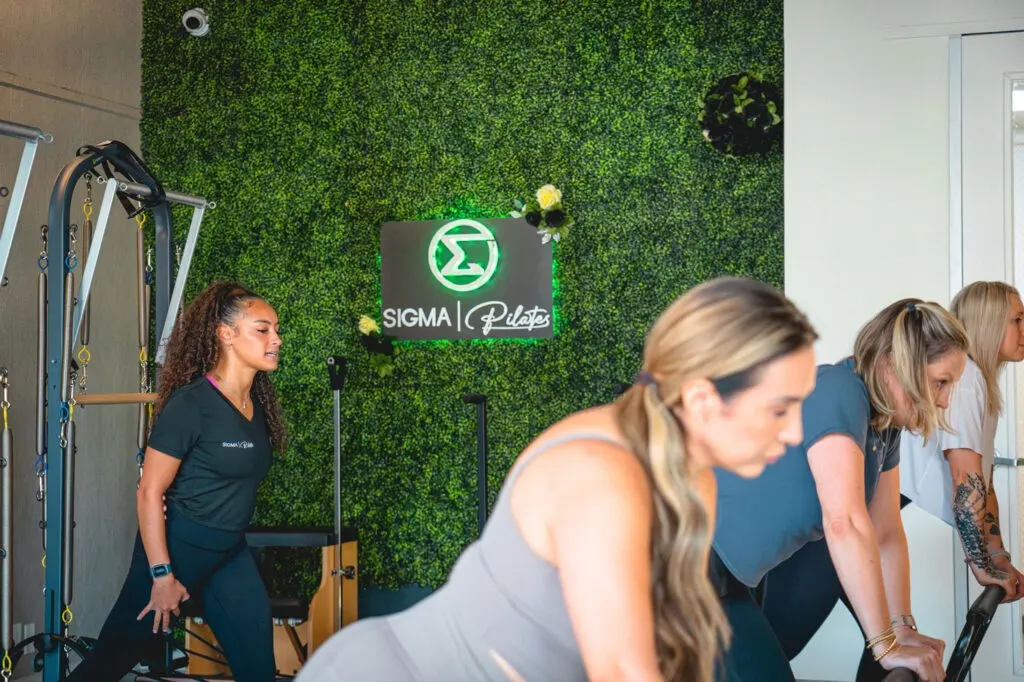
At Sigma Pilates, individuals exploring Pilates-based fitness can learn about the importance of structured movement, controlled exercise, and developing strength through consistent practice.
Why Should You Make Pilates Apparatus Classes Part of Your Fitness Routine?
Pilates apparatus classes offer a practical way to develop strength, flexibility, balance, coordination, and body awareness. Their adjustable resistance and specialised equipment allow instructors to modify exercises for different experience levels and fitness goals.
These sessions can benefit beginners, adults, and appropriately supervised teenagers who want to build healthier movement habits. However, individual results depend on consistency, exercise technique, physical condition, and overall lifestyle.
If you are exploring pilates apparatus classes or searching for pilates for teenagers near me, take time to find a suitable programme with qualified instructors and appropriate supervision.
With structured guidance and regular participation, Pilates can become a valuable part of a balanced fitness routine. Sigma Pilates encourages a thoughtful approach to movement that focuses on developing strength, improving control, and supporting long-term physical well-being.