
Understanding Vape Product Names and Australia’s Regulatory Framework
Electronic vaping products are frequently discussed online using different brand names, product descriptions, and regional search terms. Alibarbar vape is an example of a phrase that may appear in searches about vaping devices and related information. Understanding these references requires more than recognising a product name. Readers should also consider how vaping devices operate, what substances they may contain, their potential health effects, and the legal framework governing vaping products in Australia.
Understanding Electronic Vaping Devices
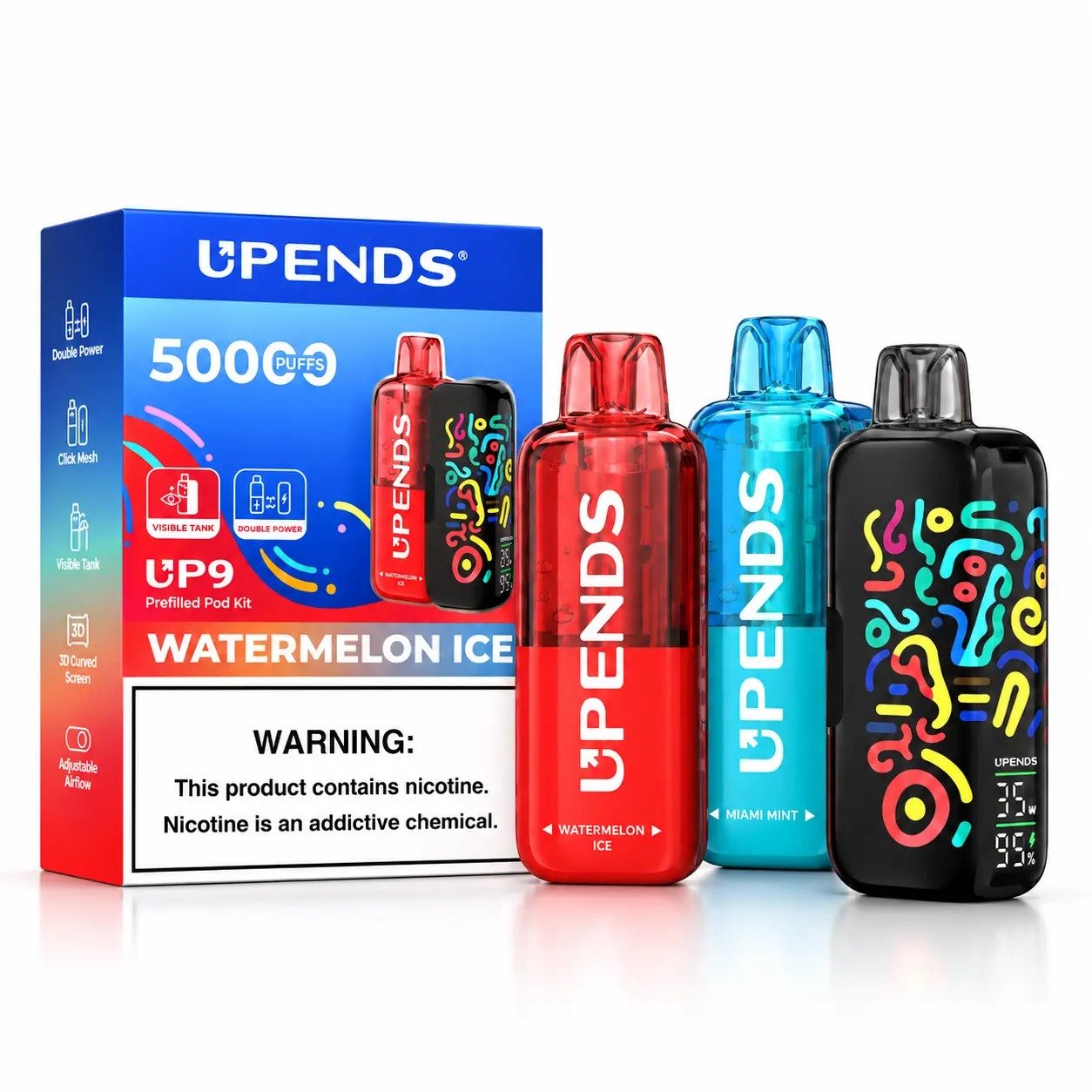
Electronic vaping devices are battery-powered products that heat a liquid to produce an aerosol for inhalation. Their designs can vary, but many include a battery, heating element, liquid reservoir, and airflow system. Some devices are designed for limited use, while others contain rechargeable or replaceable components.
The liquid used in these devices may contain nicotine, flavouring substances, solvents, and other ingredients. The exact composition depends on the product. A device’s name, appearance, or advertised specifications cannot independently confirm what substances it contains.
Why Product Names Need Careful Interpretation
Product names and model descriptions are often used to distinguish different references in online searches. However, similar names do not necessarily indicate identical products. Different websites may also publish incomplete or inconsistent descriptions.
Readers should avoid treating branding as proof of product quality or safety. Technical details, ingredient information, and regulatory status require reliable supporting evidence. A commercial description alone is not sufficient to establish whether a device meets applicable standards.
How Vaping Products Work
Most electronic vaping devices use a battery to power a heating element. When activated, the element warms the liquid and creates an aerosol that travels through the device’s airflow system. The aerosol is then inhaled by the user.
This process is different from inhaling ordinary water vapour. Depending on the ingredients and device, the aerosol may contain nicotine, fine particles, and chemical substances. Understanding this distinction is important when evaluating claims about vaping and its potential health effects.
Understanding Australian Product References
Regional search terms can combine product names with references to a particular country. For example, Alibarbar vape australia is a phrase that may appear when people search for vaping-related information in an Australian context. However, a country-specific search term does not establish that a product is legally approved, available through lawful channels, or suitable for use.
Australia has specific requirements governing vaping products. Readers should distinguish between a product being mentioned online and its legal status under Australian federal and state or territory requirements. Official government guidance is more dependable than assumptions based on search results or commercial descriptions.
Nicotine Dependence and Health Considerations
Nicotine is an addictive substance that can lead to dependence through repeated exposure. People who develop dependence may experience cravings and withdrawal symptoms such as irritability, restlessness, and difficulty concentrating when they try to stop.
Nicotine exposure is especially concerning for adolescents and young adults because their brains are still developing. It may affect attention, learning, and other cognitive functions. Pregnant individuals should also seek qualified medical advice about potential risks associated with nicotine exposure.
Vaping aerosols may contain substances beyond nicotine, including fine particles and chemical compounds. Some individuals experience coughing, throat irritation, or breathing discomfort. Research into long-term vaping effects continues, so vaping should not be described as completely harmless.
People who do not currently smoke or use nicotine should avoid starting to vape. Anyone concerned about nicotine dependence can seek evidence-based support from a healthcare professional.
Australian Vaping Regulations
Australia maintains a regulatory framework for vaping products, including controls relating to importation and supply. Requirements can depend on the product category, nicotine content, and circumstances in which a product is handled.
Federal rules and state or territory laws may address different aspects of vaping. Consequently, an online listing does not automatically mean that a particular device can legally be supplied, purchased, imported, or possessed. Individuals and organisations should consult current official information to understand their responsibilities.
Regulatory requirements may change over time. Older articles and informal online discussions may not reflect current legislation, making official Australian government and health authority resources important reference points.
Evaluating Online Information
When researching vaping products, readers should examine the source, publication date, and evidence behind its claims. Commercial websites may focus on product descriptions, while medical and public health organisations provide information about nicotine dependence and potential health effects.
Readers should be cautious about unsupported statements regarding safety, ingredients, or legal compliance. A product description cannot replace independent evidence, and the presence of a product name in search results does not confirm its regulatory status.
Making Informed Health Decisions
A responsible understanding of vaping involves considering health risks, nicotine dependence, and legal requirements together. People should not rely only on brand names or online descriptions when evaluating electronic vaping devices.
Individuals who want to stop using nicotine can speak with qualified healthcare professionals about appropriate support. Reliable medical guidance can help them understand dependence and consider evidence-based options.
Conclusion
Vaping-related product names and regional search terms can create confusion when information comes from different online sources. Understanding device operation, recognising potential health effects, and checking current Australian regulations provide a more reliable foundation for research. Readers should prioritise credible health information and official legal guidance when evaluating vaping-related topics.