
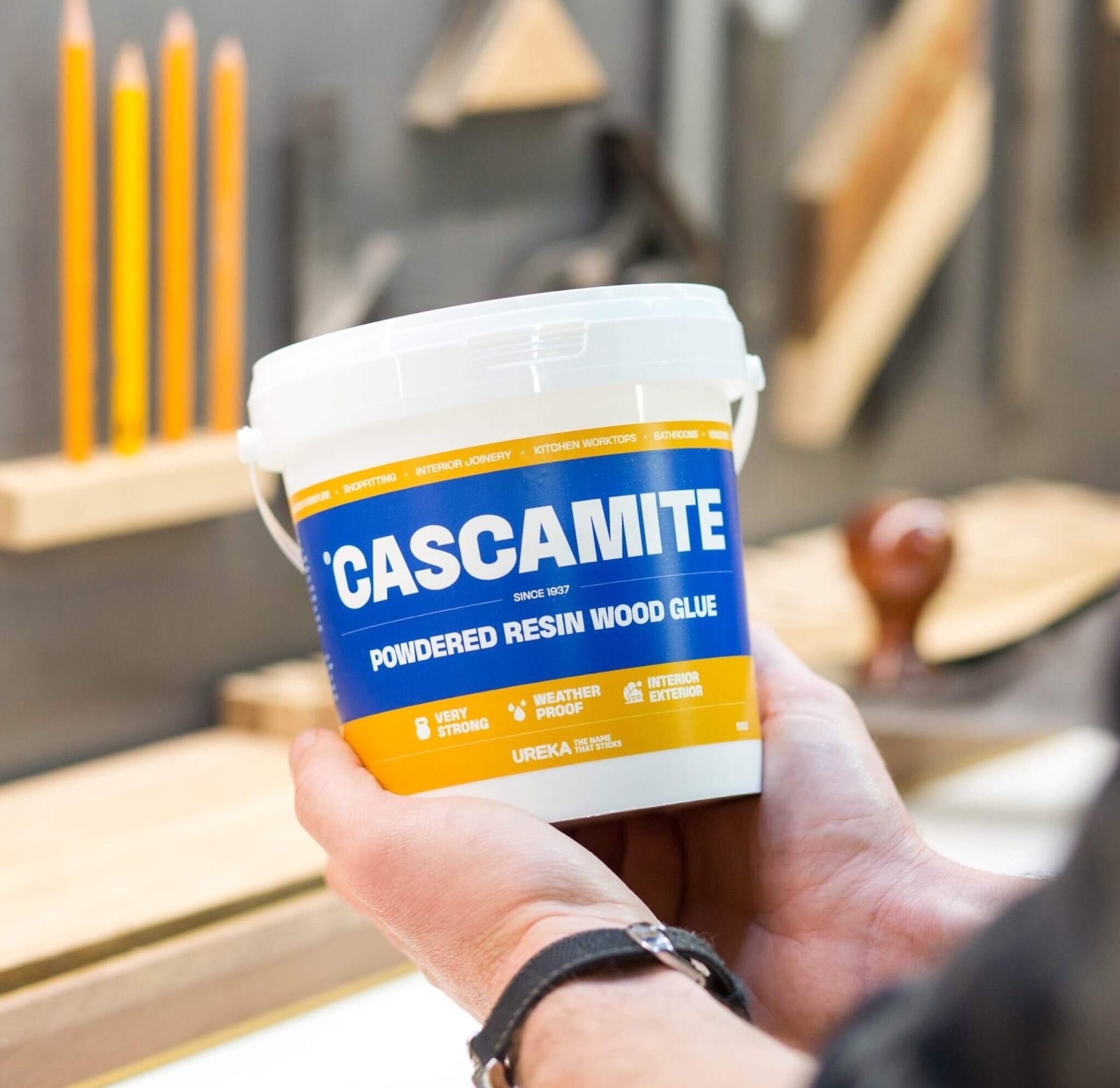
Strongest Wood Glue for Durable Wood Bonding Guide
Woodworking is both a craft and a science, and one of the biggest factors behind a successful project is choosing the right adhesive. Whether you’re building furniture, repairing cabinets, creating decorative items, or completing DIY home improvements, selecting the strongest wood glue can make the difference between a lasting masterpiece and a weak joint that fails over time.
Not all wood glues are created equal. Different formulas are designed for indoor projects, outdoor use, waterproof applications, or heavy-duty construction. Understanding the strengths of each type helps ensure your finished work remains strong, stable, and attractive for years.
Why Wood Glue Matters
Wood glue does much more than hold two pieces together. A high-quality adhesive penetrates the wood fibers and creates a bond that is often stronger than the wood itself. When applied correctly, glued joints distribute stress evenly, reducing the chance of splitting or cracking.
Professional carpenters and hobbyists alike rely on premium wood adhesives because they improve durability while maintaining a clean, seamless appearance.
What Makes the Strongest Wood Glue?
Several characteristics determine whether an adhesive deserves to be called the strongest wood glue:
High Bond Strength
The glue should create a permanent bond capable of handling pressure, vibration, and everyday wear.
Water Resistance
Projects exposed to moisture require waterproof or water-resistant formulas that prevent bond failure.
Fast Setting Time
A shorter clamping period helps complete projects more efficiently while maintaining excellent strength.
Sandability
Once dry, quality glue should sand smoothly without affecting the finish of the surrounding wood.
Long-Term Durability
Temperature changes, humidity, and regular use should not weaken the adhesive over time.
Different Types of Wood Glue
Understanding the available options helps you select the ideal adhesive for your specific woodworking project.
PVA Wood Glue
Polyvinyl acetate (PVA) glue is the most common woodworking adhesive. It is easy to use, dries clear, and offers excellent bonding for indoor furniture and cabinetry.
Polyurethane Glue
Polyurethane expands slightly while curing, filling small gaps and creating waterproof bonds suitable for outdoor applications.
Epoxy Adhesives
Epoxy consists of two components mixed before application. It offers exceptional strength and works well for repairing damaged wood or bonding difficult surfaces.
Hide Glue
Traditional hide glue remains popular among furniture restorers because it can be reversed with heat and moisture, making future repairs easier.
Choosing the Best Glue for Wood on Wood
Finding the best glue for wood on wood depends on your project requirements rather than simply selecting the strongest adhesive available.
Consider these important factors:
- Indoor or outdoor use
- Softwood or hardwood materials
- Expected load capacity
- Exposure to moisture
- Drying time requirements
- Ease of cleanup
- Finish compatibility
Matching the glue to the project produces stronger and longer-lasting joints.
Preparing Wood Before Gluing
Proper preparation is just as important as choosing quality glue.
Clean Surfaces
Remove dust, dirt, grease, paint, or old adhesive before applying fresh glue.
Dry Materials
Wood should be completely dry. Excess moisture reduces adhesive performance.
Accurate Fit
Glue performs best when wood pieces fit tightly together. Large gaps weaken the joint.
Smooth Edges
Light sanding creates clean surfaces that allow better glue penetration into wood fibers.
Proper Application Techniques
Even premium glue cannot compensate for poor application.
Apply Evenly
Spread a thin, consistent layer across the entire bonding surface.
Use Enough Glue
Too little glue creates weak spots, while excessive glue leads to messy squeeze-out and unnecessary waste.
Clamp Correctly
Apply firm, even pressure during curing. Proper clamping ensures full contact between the wood surfaces.
Allow Full Cure Time
Although many adhesives set quickly, maximum strength often develops after 24 hours.
Common Woodworking Projects That Need Strong Adhesives
Strong wood glue is essential in many applications.
Furniture Construction
Dining tables, chairs, cabinets, dressers, and bookshelves all depend on durable glued joints.
Home Repairs
Broken drawers, loose chair legs, damaged trim, and wooden doors benefit from reliable adhesives.
Decorative Crafts
Picture frames, shelves, wooden toys, and handmade gifts require clean, nearly invisible glue lines.
Outdoor Structures
Garden furniture, planters, fences, pergolas, and wooden benches need waterproof adhesives that resist changing weather conditions.
Mistakes to Avoid
Many woodworking failures result from simple errors rather than poor-quality glue.
Avoid these common mistakes:
- Applying glue to dirty surfaces
- Skipping clamps
- Using expired adhesive
- Rushing the curing process
- Applying glue in freezing temperatures
- Ignoring manufacturer recommendations
Correct preparation and patience significantly improve bond strength.
Tips for Maximum Bond Strength
Professional woodworkers follow several best practices to achieve dependable results.
- Store glue in a cool, dry location.
- Close bottles tightly after each use.
- Test-fit pieces before applying adhesive.
- Remove excess glue immediately with a damp cloth.
- Use fresh glue for important structural projects.
- Allow complete curing before sanding or finishing.
These habits help ensure consistently strong woodworking joints.
Indoor vs Outdoor Applications
Indoor furniture typically requires standard PVA adhesives because they provide excellent strength and easy cleanup.
Outdoor furniture, decks, and garden structures require waterproof formulas capable of handling rain, humidity, and seasonal temperature changes without weakening.
Selecting the correct adhesive for the environment greatly extends the lifespan of the finished project.
Storage and Shelf Life
Wood glue performs best when stored correctly.
Keep containers sealed tightly and away from direct sunlight or freezing temperatures. Over time, glue may thicken or separate, reducing its effectiveness. Always inspect the adhesive before beginning an important woodworking project.
Replacing old glue is inexpensive compared to repairing a failed joint later.
Final Thoughts
Selecting the strongest wood glue is one of the smartest investments any woodworker can make. A premium adhesive not only improves structural strength but also enhances the overall quality, appearance, and longevity of woodworking projects.
Whether you’re crafting fine furniture, repairing household items, or tackling ambitious DIY builds, choosing the best glue for wood on wood ensures dependable performance and professional-looking results. Combined with careful preparation, accurate assembly, and proper curing, the right adhesive creates joints that remain secure for many years, giving every woodworking project the durability and confidence it deserves.