
Parametric Interior Products and Facades Transforming Design
Architecture has always evolved alongside technology, but digital design tools have changed the way architects and interior designers think about space. Instead of relying only on traditional shapes and repetitive patterns, modern designers can now create complex surfaces that respond to light, movement, structure, and function. This approach has made parametric design an increasingly valuable part of contemporary architecture.
Two concepts that demonstrate this evolution are parametric interior Products and parametric facade solutions. They allow designers to combine creativity with precision, creating environments that are visually distinctive while remaining practical and adaptable.
Understanding Parametric Design
Parametric design uses computer-based systems to create forms based on defined rules, relationships, and parameters. Rather than drawing every element individually, designers establish a set of conditions that controls how a design develops.
For example, a designer might define the spacing, depth, rotation, or size of hundreds of panels. By adjusting a few parameters, the entire pattern can change automatically. This makes it easier to explore multiple design possibilities without starting from scratch.
The result can be a highly customized architectural feature that would be difficult or time-consuming to produce using conventional methods.
What Are Parametric Interior Products?
Parametric interior Products are architectural and decorative elements created using parametric design principles. They can include wall panels, ceilings, room dividers, decorative screens, furniture, reception counters, acoustic surfaces, and other interior features.
One of the biggest advantages is customization. A designer can develop a pattern specifically for a particular room, wall dimension, lighting condition, or brand identity.
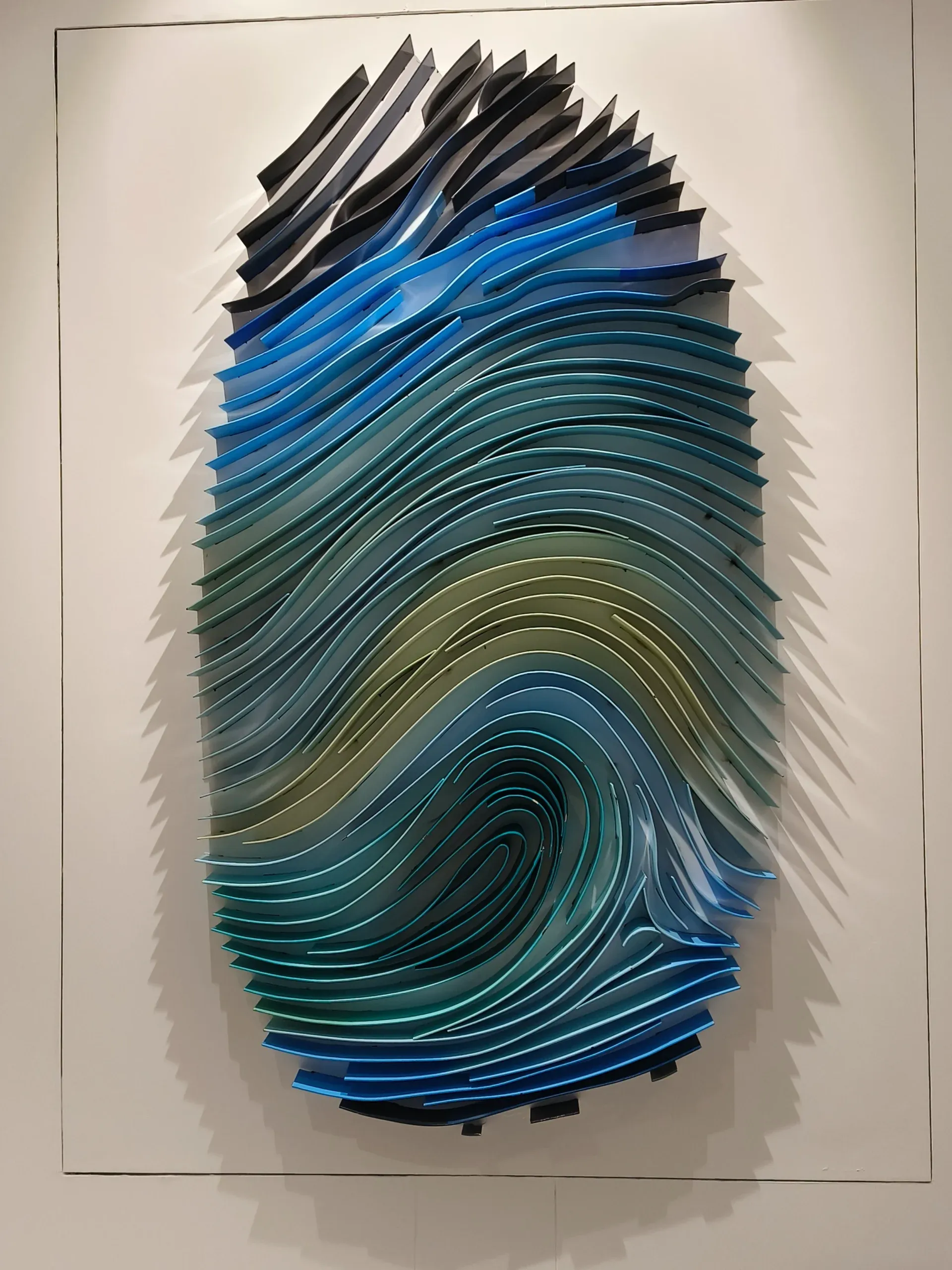
Instead of using a standard decorative panel, for example, an interior designer can create a flowing three-dimensional surface that becomes a focal point within the space.
Creating Unique Interior Experiences
Interior spaces influence how people feel and interact with a building. Parametric elements can introduce movement, rhythm, texture, and depth without overwhelming the overall design.
A reception area might feature a sculptural wall made from repeating geometric components. A restaurant could use a parametrically designed ceiling to create visual interest above dining areas. In an office, patterned screens can provide privacy while maintaining a sense of openness.
Because the design is digitally controlled, patterns can also be adjusted to match different architectural requirements.
Acoustic and Functional Benefits
Parametric interiors are not only about appearance. They can also provide functional benefits.
Three-dimensional wall and ceiling surfaces can be designed to help manage sound within a room. This can be particularly useful in offices, restaurants, hotels, auditoriums, and other environments where noise control matters.
Parametric screens can also divide spaces without creating solid barriers. This approach allows designers to maintain natural light and visual connections while giving different areas a degree of separation.
The combination of aesthetics and functionality makes parametric products useful for both commercial and residential interiors.
Exploring the Parametric Facade
A building’s exterior is often its most recognizable feature. A parametric facade can transform an ordinary building envelope into a distinctive architectural statement.
Parametric facades may incorporate repeating modules, curved surfaces, perforated screens, dynamic patterns, or layered elements. The design can be influenced by factors such as sunlight, ventilation, views, structural requirements, and the building’s orientation.
Rather than applying decoration to the outside of a building, designers can make the facade an integrated part of its performance and identity.
Responding to Sunlight and Climate
One particularly interesting application of parametric facade design is environmental response.
A facade can be developed with different opening sizes or panel orientations depending on how much sunlight reaches each part of the building. Areas exposed to stronger sunlight may use deeper shading elements, while other sections can remain more open.
This type of design can help architects balance daylight, solar exposure, privacy, and visual appearance. The exact solution depends on the building’s location, materials, orientation, and engineering requirements.
Digital Design Meets Manufacturing
The success of parametric architecture is closely connected to modern manufacturing technology. Digital fabrication allows complex designs to be translated from computer models into physical components.
CNC machining, laser cutting, 3D printing, and other manufacturing processes can produce accurately shaped pieces based on digital files.
This connection between design and manufacturing makes it possible to create customized architectural elements without relying entirely on expensive traditional fabrication methods.
Choosing the Right Materials
Material selection plays an important role in parametric architecture. Depending on the application, designers may consider wood, metal, aluminum, composites, plastics, or other engineered materials.
Interior applications may prioritize warmth, texture, acoustic performance, and ease of maintenance. Exterior applications require additional attention to weather resistance, structural performance, durability, and long-term maintenance.
The ideal material should support both the visual concept and the practical requirements of the project.
Why Parametric Design Is Becoming More Popular
One reason parametric architecture continues to attract attention is its ability to offer individuality. Buildings and interiors no longer need to follow simple repetitive patterns.
At the same time, digital design makes customization more manageable. Designers can test variations, modify dimensions, and refine complex forms before manufacturing begins.
This can improve coordination between architects, engineers, manufacturers, and contractors while reducing some of the uncertainty associated with complicated designs.
The Future of Architectural Design
As computational design and digital fabrication continue to develop, parametric architecture is likely to become even more accessible. New software, manufacturing techniques, and materials will give designers additional opportunities to experiment with form and function.
The future may bring more responsive facades, adaptable interior systems, and architectural products designed specifically around environmental conditions or user behavior.
Rather than replacing traditional architectural principles, parametric design expands the designer’s toolbox. It provides another way to explore how structure, technology, aesthetics, and human experience can work together.
Conclusion
Both parametric interior Products and parametric facade systems demonstrate how technology can reshape modern architecture. Interior products can add texture, privacy, acoustic performance, and visual character, while exterior facades can combine identity with environmental and functional considerations.
The real value of parametric design is not simply creating unusual shapes. It is the ability to develop customized solutions that respond to specific architectural needs. With thoughtful planning, suitable materials, accurate manufacturing, and strong collaboration, parametric design can turn ordinary spaces and buildings into memorable, functional environments.