
Parametric Bench and Parametric Chair: Redefining Modern Furniture Through Computational Design
The world of furniture design is constantly evolving, with technology, creativity, and innovation shaping the way we experience everyday spaces. Modern furniture is no longer limited to traditional shapes, materials, and manufacturing techniques. Today, designers are exploring new possibilities through computational design, digital fabrication, and advanced modelling technologies. Among the most exciting developments in this field are the parametric bench and parametric chair, two furniture concepts that combine artistic expression with functionality.
Parametric furniture design brings together architecture, mathematics, technology, and craftsmanship to create unique forms that are both visually appealing and practical. From contemporary homes and commercial interiors to public spaces and architectural projects, these furniture pieces are becoming increasingly popular for their distinctive appearance and innovative construction.
What Is Parametric Furniture Design?
Parametric design is a design approach in which shapes, patterns, and structures are developed using adjustable parameters and computational algorithms. Instead of manually creating every curve or component, designers establish specific rules and variables that control the overall form of an object.
By modifying parameters such as height, width, curvature, spacing, thickness, and material properties, designers can generate multiple variations of a single furniture concept.
This approach offers greater flexibility and creative freedom. It also makes it possible to produce complex geometries that would be difficult to achieve through conventional furniture-making methods.
Both parametric benches and chairs demonstrate how computational design can transform ordinary furniture into functional works of art.
Parametric Bench: Where Creativity Meets Functionality
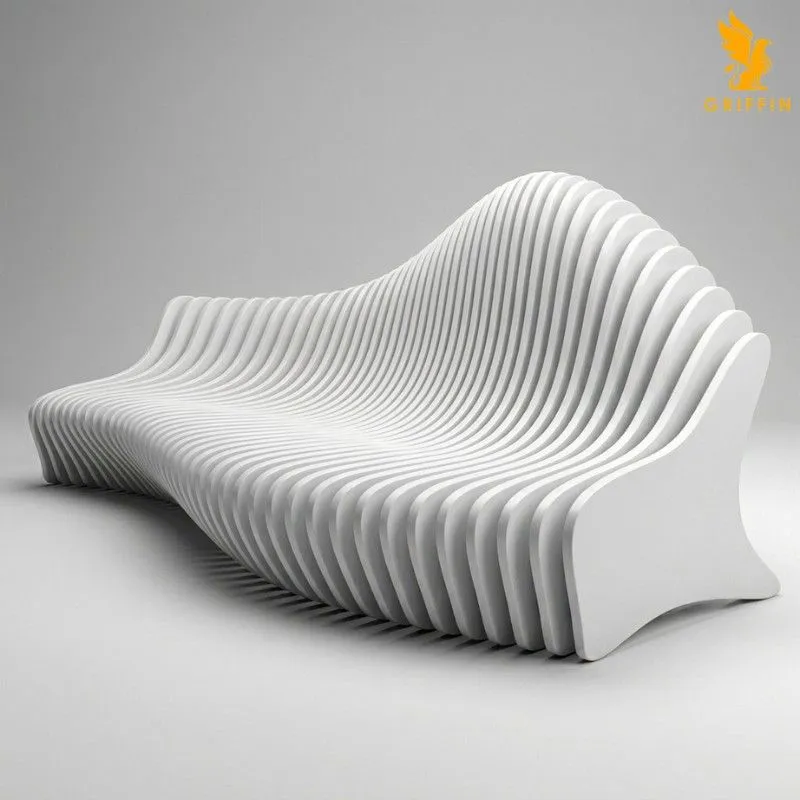
A parametric bench is a contemporary seating solution created using computational design techniques. Unlike conventional benches that generally feature straight lines and simple structures, parametric benches often incorporate flowing curves, geometric patterns, layered surfaces, and organic forms.
Their designs are influenced by natural elements, architectural structures, and mathematical patterns. The result is furniture that serves a practical purpose while creating a strong visual impression.
Key Features of a Parametric Bench
1. Unique Geometric Patterns
One of the most recognizable characteristics of a parametric bench is its intricate geometry. Repetitive patterns, curved layers, and interconnected components create visually interesting surfaces and structures.
2. Customizable Designs
Parametric modelling allows designers to customize the dimensions, shape, and overall appearance of a bench according to specific project requirements. This makes it suitable for residential, commercial, and public environments.
3. Innovative Materials
Depending on the design and application, parametric benches can be manufactured using wood, plywood, metal, acrylic, and other suitable materials. CNC cutting and laser cutting technologies help achieve precise shapes and detailed patterns.
4. Architectural Appeal
A parametric bench can become a statement piece in an interior or outdoor environment. Its sculptural appearance makes it particularly suitable for modern offices, hospitality spaces, educational institutions, galleries, and landscaped areas.
Parametric Chair: Transforming Traditional Seating
The parametric chair represents another exciting development in contemporary furniture design. It reimagines conventional seating by combining advanced digital modelling with innovative structural forms.
Traditional chairs typically follow familiar design principles, but parametric chairs explore more experimental shapes, fluid transitions, and complex structural patterns.
These chairs are designed to balance aesthetics, comfort, stability, and material efficiency.
What Makes a Parametric Chair Special?
1. Organic and Sculptural Forms
Parametric chairs frequently feature smooth curves, flowing surfaces, and nature-inspired structures. Their designs may resemble tree branches, flowing water, or natural skeletal formations.
2. Personalized Design Possibilities
Every parametric chair can be developed according to specific design requirements. Parameters can control the seat dimensions, backrest angle, leg structure, curvature, and overall proportions.
3. Advanced Manufacturing Techniques
Digital fabrication plays an important role in producing parametric chairs. CNC machining, 3D printing, and laser cutting enable designers to manufacture complex components with accuracy and consistency.
4. Balance Between Comfort and Aesthetics
Although visual appeal is important, a successful parametric chair must also provide proper ergonomic support. Seat height, backrest positioning, stability, and material selection should be carefully considered during the design process.
How Technology Is Changing Parametric Furniture Design
Technology has significantly expanded the possibilities of furniture development. Software such as Rhino, Grasshopper, and other 3D modelling tools allows designers to experiment with complex shapes and generate customized furniture structures.
The process generally begins with a basic concept or reference model. Designers then establish parameters that control the furniture’s geometry. These parameters are adjusted to explore different shapes, proportions, and structural configurations.
Once the digital model is finalized, it can be prepared for fabrication using CNC machines, laser cutters, or 3D printers.
This combination of digital design and physical manufacturing makes it easier to develop intricate furniture pieces while maintaining precision.
Applications of Parametric Benches and Chairs
Parametric furniture is suitable for a wide range of environments because of its flexibility and distinctive appearance.
- Residential Interiors: Parametric chairs and benches can add a contemporary touch to living rooms, balconies, dining spaces, and home offices.
- Commercial Spaces: Offices, restaurants, hotels, and retail environments can use parametric furniture to create memorable interior experiences.
- Public Spaces: Parks, museums, airports, and educational campuses can incorporate parametric benches as functional architectural elements.
- Exhibition and Gallery Spaces: Sculptural furniture designs can complement exhibitions and become focal points within creative environments.
- Architectural Projects: Architects and interior designers can integrate customized parametric furniture into larger design concepts.
Benefits of Choosing Parametric Furniture
There are several reasons why parametric furniture is gaining attention among designers, architects, and furniture enthusiasts.
First, it provides extensive customization opportunities. Designers can modify furniture dimensions and patterns to suit different spaces and requirements.
Second, parametric modelling encourages experimentation and innovation. It allows designers to explore forms that may not be possible with conventional design approaches.
Third, digital fabrication can improve manufacturing precision and support repeatable production.
Finally, parametric furniture offers a distinctive visual identity. A well-designed parametric bench or parametric chair can enhance the character of an interior while serving its intended purpose.
However, successful designs must also consider ergonomics, structural strength, manufacturing costs, maintenance, and material efficiency.
The Future of Parametric Furniture Design
The future of furniture design is closely connected to technological advancements and sustainable manufacturing practices. As computational design tools become more accessible, designers will have greater opportunities to develop innovative furniture solutions.
The integration of artificial intelligence, generative design, advanced materials, and digital fabrication may further transform how furniture is conceptualized and manufactured.
Parametric benches and chairs are likely to become increasingly relevant in modern architecture and interior design, particularly as demand grows for customized, functional, and visually distinctive furniture.
Sustainable material selection and efficient manufacturing processes will also play an important role in shaping the next generation of parametric furniture.
Conclusion
Parametric furniture represents an exciting intersection of technology, creativity, and functionality. Whether it is a sculptural parametric bench designed for a public space or an innovative parametric chair created for a contemporary interior, these designs demonstrate how computational thinking can transform everyday objects.
By combining customizable geometry, advanced modelling techniques, and modern manufacturing methods, parametric furniture offers new opportunities for architects, designers, and furniture manufacturers.
As design technology continues to evolve, parametric benches and chairs will remain an inspiring example of how innovation can redefine the relationship between furniture, architecture, and the spaces we inhabit.