
How to Understand Ibuff Vape and Ibuff 9600: A Complete Guide
The vaping market has evolved significantly over the years, with different devices offering various designs, features, and user experiences. Among the names people may encounter when researching vaping products are Ibuff vape and Ibuff 9600. Understanding these terms can help readers learn about product specifications, device components, potential health risks, and the importance of making informed decisions.
Whether you are researching vaping technology or comparing product descriptions, this guide explores the basic concepts associated with Ibuff vape products and explains what to consider when reading about the Ibuff 9600.
What Is an Ibuff Vape?
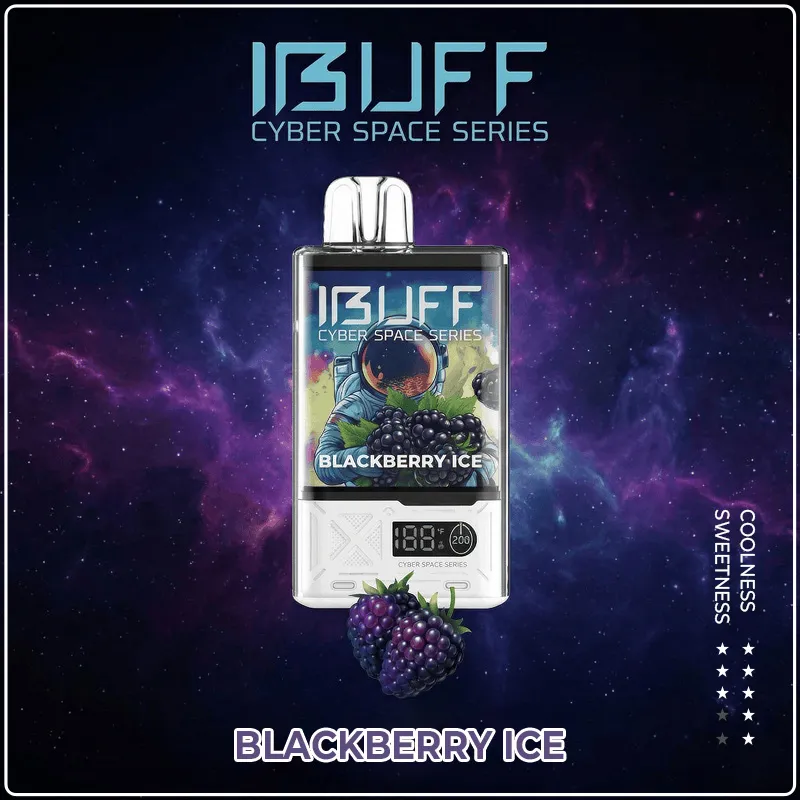
An Ibuff vape is a name used in searches for vaping-related products. Vape devices generally work by heating an e-liquid or another specially formulated substance to produce an aerosol that users inhale. Depending on the particular product, the liquid may contain nicotine, flavourings, and other ingredients.
Vaping devices can differ in their appearance, battery capacity, liquid capacity, and operating mechanism. Some are designed for repeated use, while others are marketed as disposable products. The exact specifications of an Ibuff vape should always be checked against reliable product documentation rather than assumed from the name alone.
It is also important to understand that an appealing design or convenient format does not make vaping harmless. Nicotine can cause dependence, and inhaling aerosols may expose users to potentially harmful substances.
Understanding the Ibuff 9600
The keyword Ibuff 9600 is commonly interpreted in product searches as referring to a particular vaping model or a device associated with a numerical specification. However, the number in a product name does not independently confirm its capacity, performance, or actual lifespan.
When researching the Ibuff 9600, readers should examine the manufacturer’s official information and check the following details:
- Product identification: Confirm the precise model name and manufacturer.
- Battery specifications: Look for verified information about the battery and charging requirements, if applicable.
- Liquid capacity: Check the stated capacity and whether it complies with applicable local regulations.
- Nicotine content: Review the concentration and ingredients listed on the packaging.
- Safety information: Look for appropriate warnings, authenticity information, and disposal instructions.
These details provide a more reliable understanding of a product than promotional descriptions alone.
Key Differences Between Vape Products
Not every vape device offers the same features. Comparing products requires looking beyond brand names and advertised numbers.
Battery design can influence how a device operates, while the type of heating element and liquid delivery system can affect its performance. Some products have rechargeable batteries, whereas others are intended to be discarded after use. Product design may also affect maintenance requirements and the risks associated with battery damage.
For anyone researching Ibuff vape or Ibuff 9600, the most useful approach is to compare verified specifications and safety information. Claims about extended use, consistency, or device performance should be treated cautiously unless supported by credible evidence.
Health and Safety Considerations
Health and safety should remain central when discussing any vaping product. Many vaping liquids contain nicotine, an addictive substance that can affect brain development in adolescents and young adults. Nicotine exposure can also increase heart rate and blood pressure.
Even products advertised as nicotine-free may require careful evaluation because ingredient quality and labelling can vary. Vape aerosols are not simply harmless water vapour; they may contain fine particles, flavouring chemicals, metals, and other substances that can irritate or harm the respiratory system.
People who do not smoke should avoid starting to vape. Young people, pregnant individuals, and people who have never used tobacco should be particularly cautious about nicotine exposure.
Adults who smoke and are considering alternatives should seek evidence-based advice from a qualified healthcare professional. Vaping is not risk-free, and using multiple nicotine products together can maintain or increase nicotine dependence.
How to Check Product Authenticity
When researching an Ibuff vape or Ibuff 9600, it is sensible to verify the source before trusting any product claims.
First, check whether the manufacturer has an official website or published documentation for the exact model. Compare the packaging and model details with those official records. Be cautious of products with unclear ingredient information, missing warnings, inconsistent labelling, or unsupported performance claims.
Where available, examine batch information and manufacturer-provided authenticity checks. Avoid relying solely on seller reviews or social media promotions, as these may not establish that a product is genuine or safe.
Local laws also matter. Vaping products may be restricted or prohibited depending on the country, state, or region. Consumers should understand the applicable rules before purchasing, possessing, or using such products.
Environmental Impact and Responsible Disposal
Disposable vaping products can create environmental concerns because they may contain plastic, electronic components, residual liquid, and lithium batteries. Incorrect disposal can contribute to pollution and create fire risks in waste collection systems.
Devices containing batteries should not automatically be placed in ordinary household rubbish or recycling bins. Follow local electronic-waste and battery-disposal guidance, and use authorised collection facilities where available.
Considering environmental consequences is an important part of evaluating any disposable electronic product.
Conclusion
Understanding Ibuff vape and Ibuff 9600 begins with checking reliable product information instead of relying on names or advertising claims. Specifications, ingredients, battery details, authenticity, health warnings, and local regulations all deserve attention when researching vaping products.
Although product descriptions may emphasise convenience or technical features, these claims do not establish that a device is safe. Nicotine dependence, respiratory exposure, battery hazards, and environmental waste remain important considerations.
Ultimately, informed research means separating verified facts from marketing language and recognising the health risks associated with vaping. Readers should prioritise reliable information, follow applicable laws, and avoid starting nicotine use if they do not already use it.