

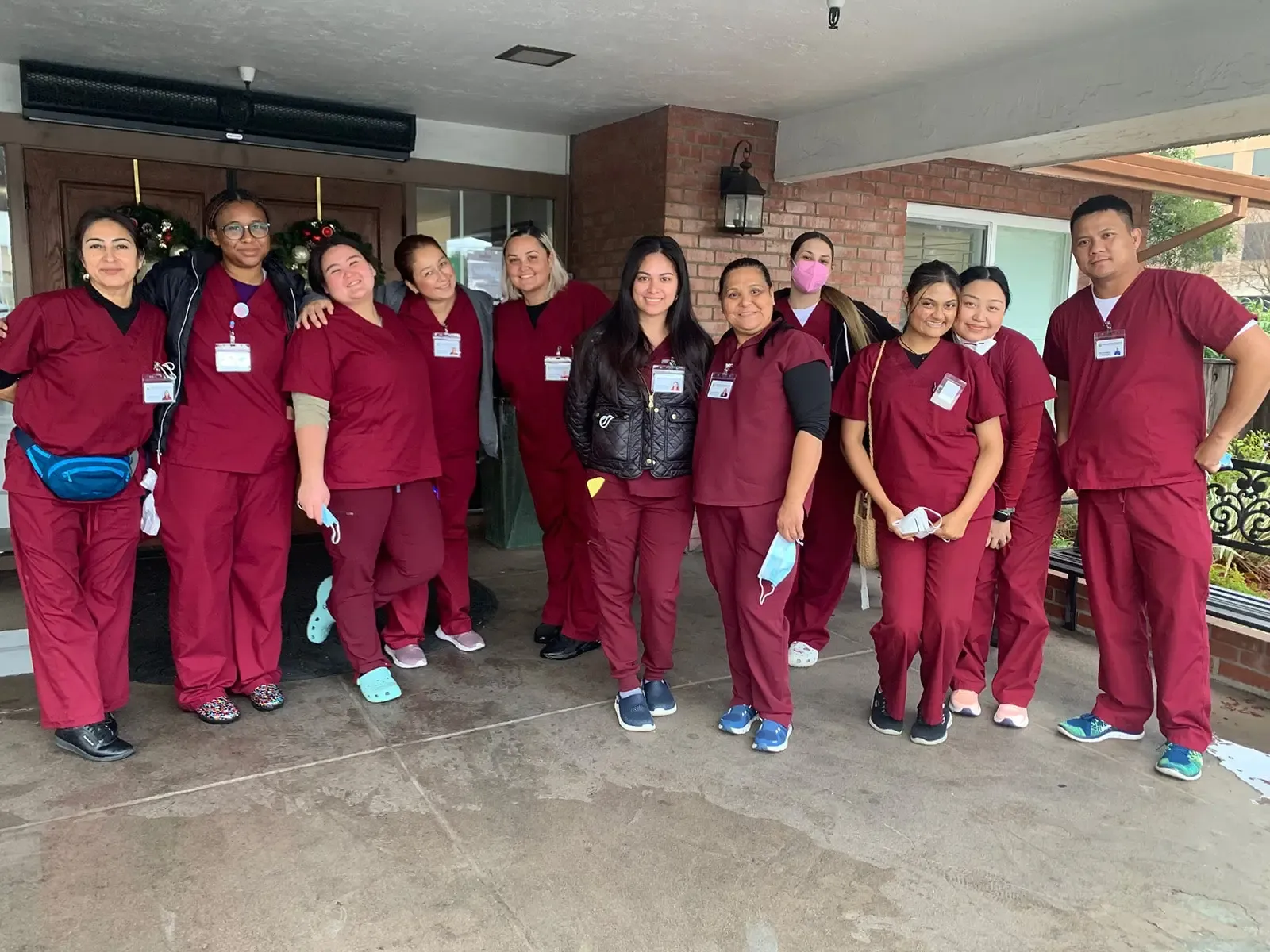
How to Choose the Best Vallejo CNA School to Start Your Healthcare Career
Starting a career in healthcare can be an exciting step toward a rewarding professional future. Certified Nursing Assistants (CNAs) play an important role in helping patients maintain their comfort, dignity, and quality of life. From assisting with daily activities to monitoring patient conditions, CNAs provide essential support in hospitals, nursing homes, rehabilitation centers, and other healthcare facilities. If you want to enter this growing field, choosing the right Vallejo CNA School can help you develop the knowledge and practical skills needed to begin your journey.
Whether you are a recent graduate, a career changer, or someone passionate about helping others, enrolling in a reputable CNA training program can be an excellent first step. Understanding what to look for in a school will help you make an informed decision and prepare for future opportunities in healthcare.
Why Choose a CNA Career?
A Certified Nursing Assistant career offers the opportunity to make a meaningful difference in people’s lives. CNAs often work closely with patients, providing personal care and emotional support while assisting nurses and other healthcare professionals.
Some common responsibilities of a CNA include helping patients with bathing, dressing, eating, and mobility. They may also measure vital signs, report changes in a patient’s condition, maintain clean patient environments, and document relevant observations according to workplace procedures.
For individuals who enjoy teamwork and patient interaction, this profession can provide valuable experience in a healthcare setting. CNA training can also serve as a foundation for people who plan to pursue additional education in nursing or related medical fields.
What to Look for in a Vallejo CNA School
Choosing the right training provider is an important decision. Not all programs offer the same learning environment, schedule, or practical training opportunities. Before enrolling, consider several essential factors.
1. State Approval and Program Recognition
One of the first things to check when researching a Vallejo CNA School is whether the program meets California’s requirements for nurse assistant training. An appropriate training program should prepare students for the applicable competency evaluation and state certification process.
Verify the school’s approval status through the California Department of Public Health before paying tuition or committing to a course. This step can help you avoid programs that do not meet the requirements for your intended career path.
2. Comprehensive Classroom Instruction
A strong CNA program combines theoretical knowledge with practical learning. Classroom instruction commonly covers basic nursing skills, infection prevention, patient safety, communication, residents’ rights, personal care, and emergency procedures.
Understanding these topics helps students learn how to provide safe, respectful, and effective assistance to patients. A structured curriculum also prepares students to apply their knowledge in supervised clinical settings.
3. Hands-On Clinical Experience
Practical experience is an essential part of CNA education. Students need opportunities to practice relevant skills under appropriate supervision and become familiar with the responsibilities of working with patients.
When comparing programs, ask about clinical training arrangements, instructor supervision, available practice facilities, and how students are evaluated. Hands-on learning can help build confidence and prepare you for the demands of a real healthcare workplace.
Benefits of Enrolling in a CNA School in Vallejo
Choosing a CNA School In Vallejo can be convenient for students who live in Vallejo or nearby communities in the North Bay area. Studying closer to home may reduce commuting time and make it easier to balance education with family responsibilities or part-time employment.
Local training options may also help students become familiar with healthcare opportunities in their surrounding communities. Depending on the program and its partnerships, students may learn about different care environments, including long-term care facilities, rehabilitation centers, and other clinical settings.
Another advantage is the opportunity to connect with instructors and fellow students who share similar professional goals. These connections can provide encouragement, study support, and useful insights into the healthcare field.
Before choosing a school, compare class schedules, tuition costs, additional fees, clinical requirements, and the availability of student support services. Ask whether the program offers morning, evening, or weekend classes if you need a flexible schedule.
How to Prepare for CNA Training
Preparing before your first class can make the learning process easier. Start by reviewing the program’s admission requirements, which may include age requirements, identification documents, background screening, health examinations, immunization records, or other prerequisites.
You should also develop effective study habits. Create a weekly schedule, set aside time to review course materials, and practice important concepts regularly. Learning basic medical terminology and familiarizing yourself with infection-control principles can also be helpful.
Equally important are communication skills, patience, empathy, and attention to detail. CNAs work with people who may be experiencing pain, anxiety, illness, or limited mobility. Treating every patient with respect is an essential part of providing quality care.
Career Opportunities After CNA Training
After completing an eligible training program and meeting California’s certification requirements, graduates may pursue CNA positions in various healthcare environments. Potential workplaces include skilled nursing facilities, hospitals, assisted living communities, rehabilitation centers, and home healthcare organizations, depending on employer requirements.
Employment opportunities vary according to local demand, qualifications, experience, and hiring conditions. Some CNAs choose to gain experience before pursuing further education, such as licensed vocational nursing or registered nursing programs.
Continuing education and professional development can help you strengthen your skills and explore additional career pathways over time.
Start Your Healthcare Journey Today
Selecting the right Vallejo CNA School is an important investment in your future. By evaluating state approval, classroom instruction, clinical training, affordability, and scheduling options, you can find a program that aligns with your personal and professional goals.
If you are searching for a reliable CNA School In Vallejo, take time to research available programs, ask questions about certification preparation, and confirm that the training meets California’s current requirements. With dedication, compassion, and the right educational foundation, you can take the first step toward a meaningful career helping others and contributing to the healthcare community.