
How Should You Care for Your Dental Crowns?
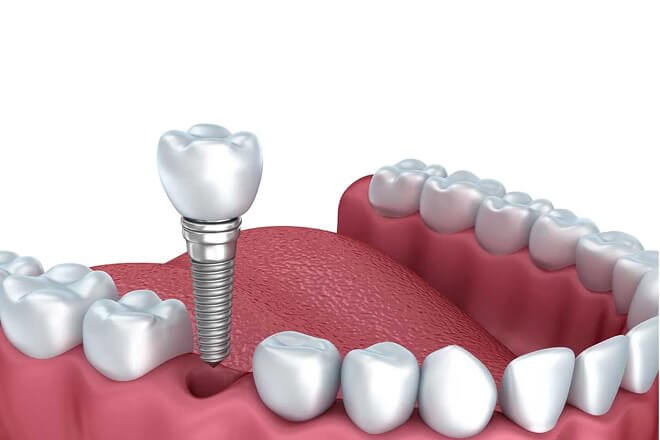
Dental crowns are a long-lasting solution for restoring damaged, weak, or aesthetically compromised teeth. Whether you’ve had a crown placed to strengthen a tooth after a root canal, repair a fracture, or enhance your smile, proper care is essential to ensure its longevity. In this guide, we’ll explore the best ways to maintain your dental crowns, signs of problems to watch for, and when to seek professional help from a dental emergency dentist near me. At Smile Partners USA, we emphasize the importance of dental crown care as part of your overall oral health.
Why Is Proper Care for Dental Crowns Important?
Dental crowns are designed to protect your natural teeth and restore functionality. However, they are not completely immune to damage. Poor oral hygiene, excessive force, or ignoring early warning signs can lead to complications such as cracks, loosening, or decay around the crown. Maintaining your crowns not only preserves their appearance but also prevents infections and the need for expensive replacements.
By following proper care practices, you extend the life of your crown and safeguard your natural teeth. Patients searching for dental crowns near me often overlook the maintenance aspect, yet it is as critical as the initial placement.
How Should You Brush Your Dental Crowns?
Brushing is the cornerstone of oral health. Even though crowns are made of durable materials like porcelain, ceramic, or metal alloys, plaque and bacteria can still accumulate around their edges. Follow these tips:
- Use a Soft-Bristled Toothbrush: Hard bristles can scratch the crown surface, making it more prone to wear.
- Brush Twice Daily: Focus on the gum line near the crown to remove plaque that can cause decay in the underlying tooth.
- Select Non-Abrasive Toothpaste: Avoid whitening toothpastes with harsh abrasives that could dull the crown’s finish.
Regular brushing keeps your crowns looking natural and prevents gum disease or secondary decay around the crowned tooth.
How Often Should You Floss Around Crowns?
Flossing is just as important as brushing. Food particles can get trapped between your crowns and natural teeth, leading to plaque buildup. Here’s how to floss effectively:
- Use waxed dental floss to slide easily between tight spaces.
- Gently curve the floss around the base of the crowned tooth to remove plaque without dislodging the crown.
- Consider interdental brushes or water flossers for additional cleaning, especially if you have multiple crowns or bridges.
Consistent flossing reduces the risk of decay and gum inflammation, preserving both your crowns and your natural teeth.
Can You Eat Normally With Dental Crowns?
Yes, but with some precautions. Crowns restore your biting and chewing ability, but certain habits can shorten their lifespan:
- Avoid Hard Foods: Nuts, ice, and hard candies can crack or chip crowns.
- Limit Sticky Foods: Caramel and taffy may loosen crowns or pull at cement.
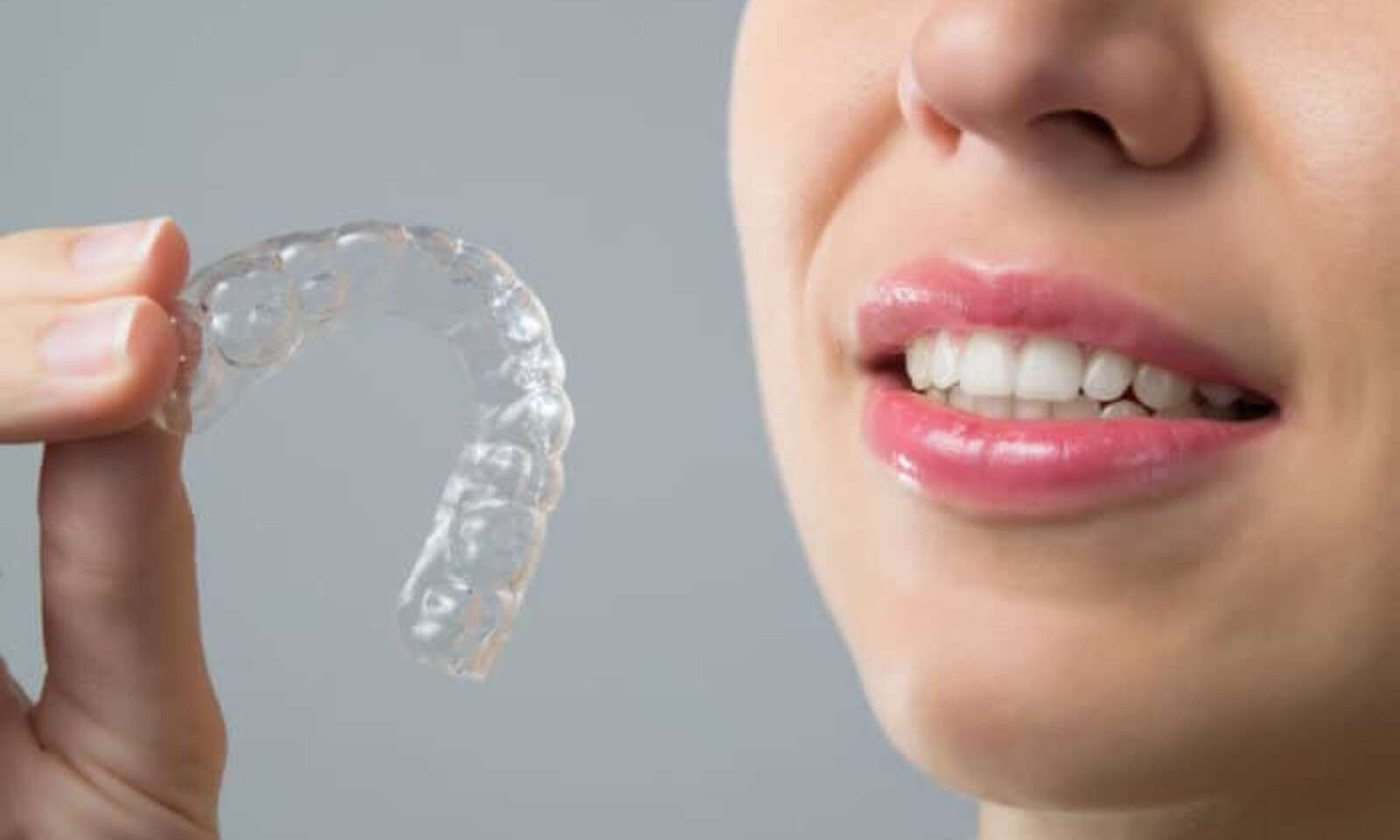
- Mind Teeth Grinding: If you grind your teeth at night, ask your dentist about a nightguard to protect crowns from excessive pressure.
Eating mindfully ensures your dental crowns remain intact and functional for many years.
What Are the Signs That Your Crown Needs Attention?
Even with excellent care, crowns can sometimes fail. It’s crucial to recognize warning signs early:
- Pain or Sensitivity: This may indicate decay under the crown or a loose fit.
- Visible Damage: Chips, cracks, or discoloration should be evaluated promptly.
- Crown Movement: If a crown feels loose or wobbly, it may need re-cementing.
If you notice any of these symptoms, immediately search for a dental emergency dentist near me to prevent further complications. At Smile Partners USA, we provide same-day care to restore crowns and protect your oral health.
How Often Should You Visit the Dentist With Crowns?
Routine dental visits are essential, even if your crowns feel perfect. Dentists can monitor for early signs of wear, gum disease, or decay. Typically, patients should:
- Schedule biannual check-ups for professional cleaning and examination.
- Inform the dentist about any changes in bite, sensitivity, or appearance.
- Discuss preventive measures like fluoride treatments to strengthen underlying teeth.
Regular professional oversight helps detect issues early, extending the life of your dental crowns and maintaining overall oral health.
Are There Special Cleaning Products for Crowns?
Yes. While your regular brushing and flossing routine is sufficient, some products can enhance crown care:
- Antibacterial Mouthwash: Reduces plaque and prevents gum disease around the crown.
- Fluoride Rinse: Strengthens teeth underneath and around the crown.
- Non-Abrasive Toothpaste: Protects the crown’s smooth surface.
Using these products as part of your daily routine helps your crowns stay clean, shiny, and healthy.
How Can You Protect Crowns During Sports or Accidents?
Crowns are resilient but not indestructible. For anyone engaged in contact sports or activities with risk of facial injury:
- Wear a custom mouthguard to prevent trauma to your teeth and crowns.
- Avoid habits like biting nails, chewing pens, or opening packages with your teeth.
- In case of accidental impact, immediately contact a dental emergency dentist near me to assess any damage.
Protective measures reduce the likelihood of crown fractures or dislodgment, keeping your smile safe.
What Should You Do If a Crown Falls Off?
A dislodged crown is a dental emergency. If this happens:
- Keep the Crown Safe: Place it in a clean container to bring to the dentist.
- Clean the Tooth: Gently rinse your mouth with warm water to remove debris.
- Avoid Using the Tooth: Do not chew on it until it is re-cemented.
- Contact a Dental Emergency Dentist Immediately: Prompt care can often allow the original crown to be reused.
Seeking immediate attention preserves the crown and prevents damage to the underlying tooth.
Why Choose a Trusted Dentist for Crown Care?
Finding an experienced dental professional ensures your crowns are properly maintained and any issues are addressed quickly. When searching for dental crowns near me, consider:
- Reputation and patient reviews
- Expertise in restorative dentistry
- Availability for emergency situations
At Smile Partners USA, we combine advanced technology, gentle care, and emergency services to maintain your crowns and overall oral health. Our team helps patients prevent problems and extends the lifespan of their dental restorations.
Final Thoughts on Caring for Dental Crowns
Caring for your dental crowns is straightforward but requires consistency and awareness. Brush and floss daily, monitor for signs of damage or decay, and schedule regular dental visits. Protect your crowns from excessive pressure, hard foods, and accidents. And in case of any problems, seek a dental emergency dentist near me immediately. By following these practices, your crowns can last decades, ensuring both function and a confident smile.
At Smile Partners USA, we guide patients through proper dental crown maintenance and provide prompt care for emergencies. Remember, crowns are an investment in your oral health—treat them with the care they deserve.