
Greenhouse Glass Construction and Greenhouse Conservatory Design: Creating Beautiful, Light-Filled Spaces
In modern architecture, glass structures have become increasingly popular for their elegance, functionality, and ability to connect indoor spaces with nature. From residential gardens to commercial horticultural facilities, glass greenhouses offer an ideal environment for growing plants while enhancing the visual appeal of a property. Greenhouse Glass Construction and Greenhouse Conservatory Design are two essential aspects of creating beautiful, durable, and energy-efficient glass structures that combine practical benefits with sophisticated aesthetics.
Whether you are planning a greenhouse for plant cultivation or a conservatory for relaxation and entertainment, understanding the fundamentals of construction, materials, and design can help you make the right investment.
Understanding Greenhouse Glass Construction
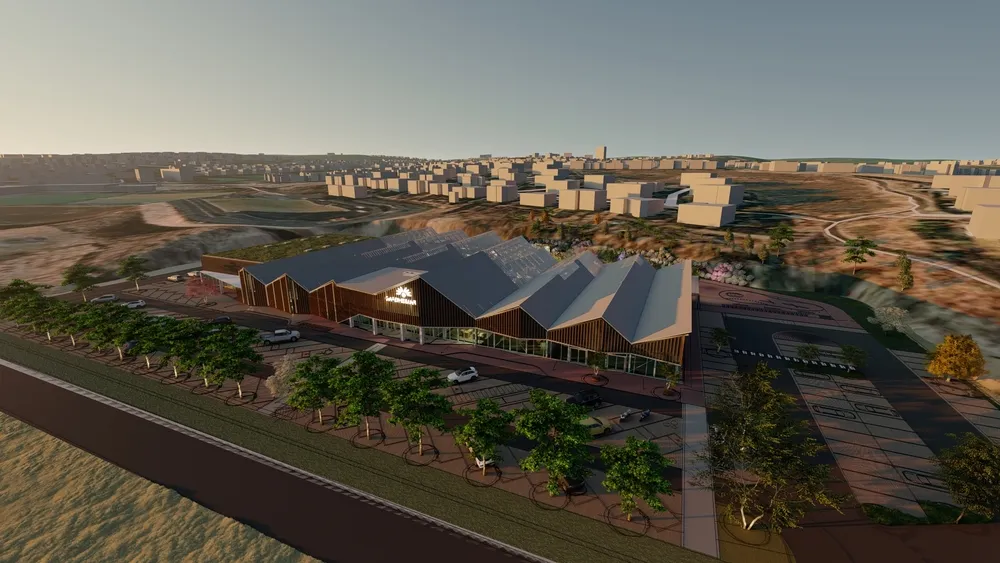
Greenhouse Glass Construction involves designing and building structures that use glass panels to maximize natural sunlight while providing a controlled environment for plants. Unlike conventional buildings, greenhouses are specifically designed to regulate temperature, humidity, and light exposure to support healthy plant growth.
The quality of materials plays a significant role in the performance and longevity of a greenhouse. Tempered glass, laminated safety glass, and other suitable glazing options are commonly considered for their strength, transparency, and durability. The choice depends on the intended application, local climate, safety requirements, and project budget.
A strong supporting framework is equally important. Aluminum and galvanized steel are popular choices because they offer structural stability and resistance to corrosion. Properly engineered frames help support the glass panels while maintaining the structure’s appearance and functionality.
Professional installation is essential to ensure secure glazing, weather resistance, and effective drainage. Attention to these details can minimize maintenance requirements and help protect the greenhouse against wind, rain, and temperature fluctuations.
Benefits of Glass Greenhouses
One of the primary advantages of glass greenhouses is their excellent light transmission. Plants require sufficient sunlight for photosynthesis, and appropriately selected glazing can help create favorable growing conditions throughout the year.
Another advantage is durability. When correctly specified, installed, and maintained, quality glass and supporting materials can provide long-term performance. Glass also offers a clean, timeless appearance that complements contemporary and traditional architecture.
Glass greenhouses can be designed for various purposes, including growing flowers, vegetables, herbs, and ornamental plants. Commercial growers may benefit from larger structures, while homeowners can choose compact designs suitable for backyards, patios, or landscaped gardens.
Additionally, modern greenhouse systems can incorporate ventilation windows, automated shading, heating, and irrigation. These features help improve environmental control and make plant care more convenient.
Exploring Greenhouse Conservatory Design
Greenhouse Conservatory Design focuses on combining the practical advantages of glass structures with comfortable, visually appealing living spaces. While a traditional greenhouse primarily supports plant cultivation, a conservatory is generally designed as an extension of a home or commercial property, offering a bright environment for relaxation, dining, or social gatherings.
A successful conservatory design begins with understanding how the space will be used. Some homeowners prefer a peaceful garden room filled with plants, while others envision a stylish lounge with comfortable furniture and panoramic garden views. The design should reflect these preferences while maintaining a balance between aesthetics and functionality.
The structure’s shape, roof configuration, glazing system, and frame finish all influence the final appearance. Popular options include lean-to conservatories, Victorian-inspired designs, and contemporary structures featuring clean lines and expansive glass panels.
Flooring, lighting, furniture, and interior landscaping further enhance the atmosphere. Carefully selected materials can create a seamless transition between indoor living areas and the surrounding garden.
Key Design Considerations for a Conservatory
Climate control is one of the most important factors in Greenhouse Conservatory Design. Large glass surfaces can allow substantial solar heat gain during warm weather and heat loss during colder periods. Selecting appropriate glazing, incorporating ventilation, and providing effective shading can improve comfort.
Double glazing or other suitable high-performance glazing systems may help reduce unwanted heat transfer. Low-emissivity coatings can also contribute to thermal performance, depending on the selected product and local climate.
Ventilation should be planned from the beginning. Roof vents, opening windows, and appropriately designed airflow paths can help reduce overheating and improve indoor air quality.
Orientation is another important consideration. The amount of sunlight a conservatory receives depends on its position, surrounding buildings, trees, and local weather conditions. A professional designer can evaluate these factors to determine the most suitable layout and glazing specifications.
Structural safety must never be overlooked. The framework, foundations, glass thickness, and connections should be selected according to applicable building regulations and expected environmental loads.
Combining Sustainability with Modern Design
Sustainability is becoming an important consideration in greenhouse and conservatory projects. Energy-efficient glazing, durable framing materials, rainwater collection, and smart ventilation systems can help reduce environmental impact and operating costs.
For plant-focused greenhouses, efficient irrigation and climate monitoring can support responsible water use and healthier growing conditions. In conservatories, insulated glazing, external shading, and energy-efficient lighting can improve comfort while reducing unnecessary energy consumption.
Automation can provide additional convenience. Temperature sensors, motorized vents, and smart shading systems allow environmental conditions to be managed more consistently. These technologies can be particularly useful in regions that experience significant seasonal temperature changes.
Choosing the Right Professionals
Selecting experienced professionals is essential for achieving a successful project. Look for specialists who understand glazing systems, structural engineering, ventilation, waterproofing, and local building requirements.
Before construction begins, discuss your goals, budget, preferred materials, maintenance expectations, and intended use of the space. Request detailed drawings, material specifications, and a clear project estimate. Comparing these details helps you evaluate quality rather than making decisions based on price alone.
Regular inspections and appropriate cleaning will also help preserve the appearance and performance of the finished structure.
Conclusion
Both Greenhouse Glass Construction and Greenhouse Conservatory Design offer exciting opportunities to create functional, attractive, and light-filled environments. From supporting healthy plant growth to transforming a garden into a relaxing living space, well-designed glass structures deliver lasting value when planned carefully.
By selecting suitable glazing, investing in a reliable framework, prioritizing ventilation, and incorporating energy-efficient features, you can create a structure that meets your needs while complementing its surroundings. With thoughtful planning and professional expertise, a glass greenhouse or conservatory can become a beautiful and practical addition to any property.