
Bunk Bed for Kids and Nightstand: Creating a Stylish and Functional Kids’ Bedroom
Designing a child’s bedroom is an exciting opportunity to combine comfort, creativity, and functionality. From choosing the right furniture to creating a cozy sleeping environment, every detail contributes to a space where children can relax, play, study, and grow. Two essential furniture pieces that can transform a child’s room are a Bunk Bed for Kids and a Nightstand. When selected thoughtfully, these pieces help maximize space, improve organization, and create a bedroom that reflects your child’s personality.
1. Why Choose a Bunk Bed for Kids?
A Bunk Bed for Kids is an excellent furniture choice for families who want to make the most of their available bedroom space. Featuring two sleeping areas arranged vertically, bunk beds are especially useful for shared bedrooms, smaller apartments, or homes where children need additional room for activities.
Unlike traditional beds that occupy more floor space, bunk beds allow parents to create a practical sleeping arrangement while leaving enough room for toys, books, study tables, and play areas. Many modern designs also feature built-in drawers, shelves, or storage compartments, making them even more convenient for everyday use.
Bunk beds are available in various styles, including classic wooden designs, contemporary metal frames, and colorful options that appeal to children. Choosing a design that complements the bedroom’s overall theme can make the space feel more inviting and organized.
2. Important Features to Consider When Buying a Bunk Bed
Before purchasing a bunk bed, parents should consider several factors to ensure comfort, durability, and safety.
Safety and stability: Choose a sturdy bunk bed with a strong frame, secure guardrails on the upper bunk, and a properly designed ladder. Follow the manufacturer’s age recommendations and assembly instructions carefully. Children under six should not use the upper bunk.
Material and durability: Wooden bunk beds offer a warm, timeless appearance, while metal frames can provide a sleek, modern look. Select durable materials and finishes suitable for everyday use.
Size and layout: Measure the bedroom before making a purchase. Ensure there is sufficient ceiling clearance above the upper bunk and enough space around the bed for easy movement.
Storage options: Some bunk beds include drawers, shelves, or storage stairs. These features can help keep clothes, toys, and bedding neatly arranged.
Design and comfort: Consider your child’s preferences when choosing colors, finishes, and decorative details. A comfortable mattress that fits the bed frame correctly is equally important.
3. The Importance of a Nightstand in a Kids’ Bedroom
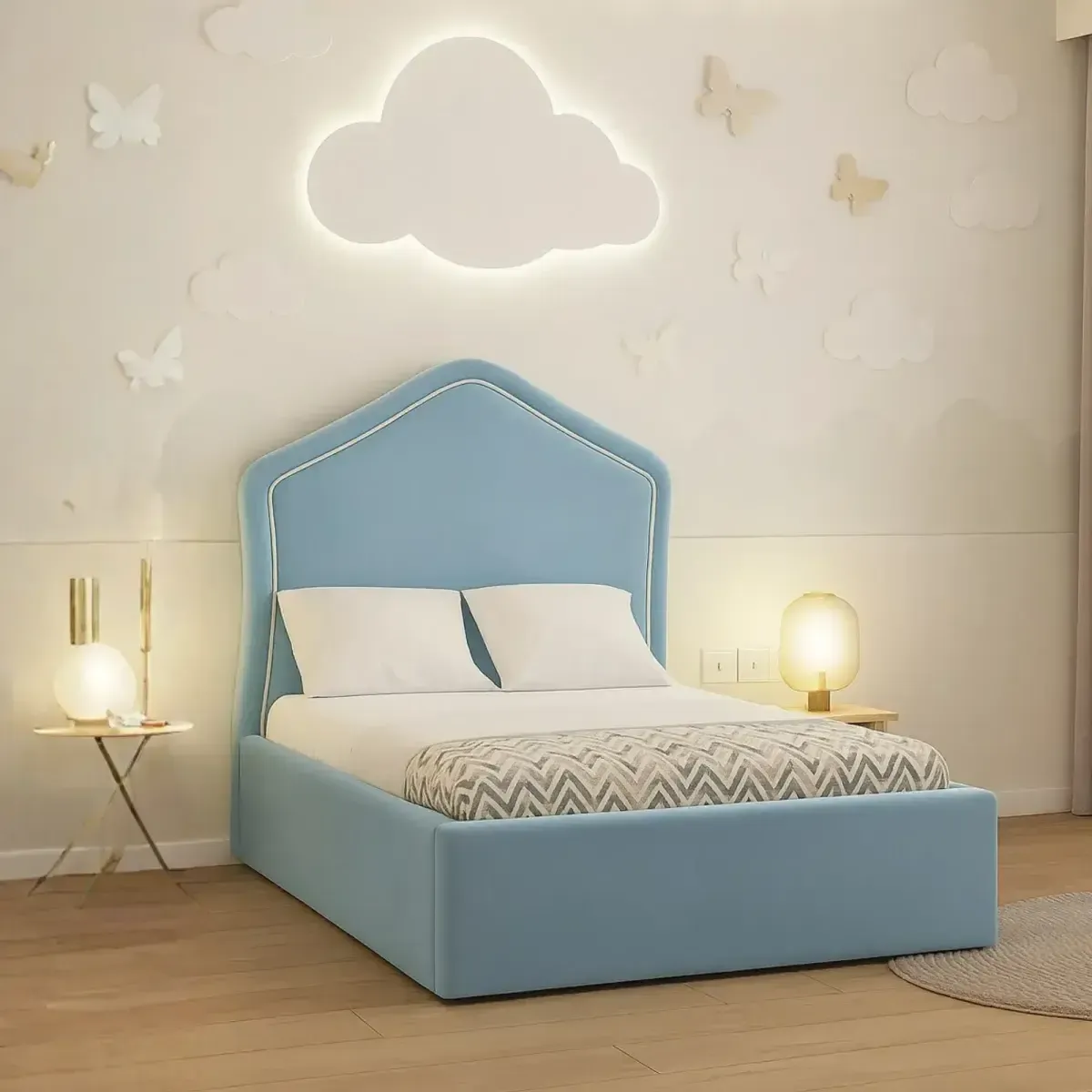
While a bed is the centerpiece of any bedroom, a Nightstand is an equally useful addition that makes the sleeping area more convenient. Usually placed beside a bed, a nightstand provides a dedicated surface for everyday essentials such as a reading lamp, bedtime books, a water bottle, or an alarm clock.
For children, having a nightstand encourages independence and organization. They can learn to keep their favorite books, small toys, and other belongings in designated places rather than scattering them around the room.
A well-designed nightstand also enhances the bedroom’s appearance. Whether you prefer a minimalist wooden table, a colorful cabinet, or a compact design with drawers, the right piece can complement the bed and create a coordinated furniture arrangement.
4. How to Choose the Right Nightstand
Selecting the ideal nightstand involves balancing functionality, size, and style.
Consider the height: Choose a nightstand that is easy for your child to reach safely from their sleeping position. When used beside a bunk bed, its placement should remain accessible without interfering with the ladder or walkway.
Look for storage: Drawers and shelves are useful for storing books, stationery, small toys, and bedtime essentials. A compact nightstand can provide valuable storage without taking up too much space.
Prioritize safety: Rounded corners, a stable base, and child-friendly finishes are desirable features. Secure taller furniture to the wall when appropriate, and keep lamps, cords, and breakable items out of reach.
Match the bedroom theme: A wooden nightstand can complement a natural or classic bedroom, while white, pastel, or brightly colored options can create a playful atmosphere.
Choose easy-to-maintain materials: Durable surfaces that are simple to clean can help keep the bedroom looking fresh despite everyday use.
5. Combining a Bunk Bed for Kids with a Nightstand
Pairing a Bunk Bed for Kids with a suitable Nightstand creates a bedroom that is both attractive and practical. The key is to select furniture that works together without making the room feel crowded.
In a shared bedroom, position the bunk bed against a suitable wall to maximize open floor space. Place a compact nightstand beside the lower bunk if the layout allows. Alternatively, a small bedside table or wall-mounted shelf can provide convenient storage in tighter spaces.
Coordinate the furniture finishes for a cohesive appearance. For example, a natural wooden bunk bed paired with a matching nightstand creates a warm, timeless look. White furniture with colorful bedding can make a small bedroom feel brighter, while pastel accessories add a playful touch.
You can further enhance the room with soft lighting, attractive storage baskets, curtains, and wall decorations that reflect your child’s interests. The result is a comfortable environment that balances sleep, storage, and personal style.
6. Tips for Maximizing Space in a Kids’ Bedroom
Making a child’s bedroom functional does not always require a large space. Smart furniture choices and simple organization habits can make a noticeable difference.
- Use vertical space: A bunk bed frees up valuable floor area for other activities.
- Choose multifunctional furniture: Beds with drawers and nightstands with storage help reduce clutter.
- Keep essentials accessible: Store frequently used books and toys where children can reach them safely.
- Create designated zones: Separate sleeping, studying, and playing areas whenever possible.
- Maintain a consistent style: Coordinated colors and furniture finishes create a neat, visually appealing room.
Conclusion
Creating the perfect kids’ bedroom requires thoughtful furniture choices that combine style, safety, and functionality. A well-designed Bunk Bed for Kids helps maximize available space while providing a comfortable sleeping arrangement. Meanwhile, a practical Nightstand keeps bedtime essentials organized and adds convenience to everyday routines.
By considering room dimensions, storage requirements, durable materials, and child-friendly designs, parents can create a bedroom that grows with their children. Whether you are furnishing a shared room or refreshing a smaller bedroom, choosing the right bunk bed and nightstand can turn an ordinary space into a comfortable, organized, and welcoming retreat for your little ones.