

Best Zoo Designers in the World and Botanical Garden Developers in the World
Modern zoos and botanical gardens are more than recreational destinations; they are essential spaces for wildlife conservation, environmental education, biodiversity protection, and sustainable tourism. Designing these spaces requires a perfect balance between creativity, scientific knowledge, environmental responsibility, and visitor experience. The Best Zoo Designers in the World and Botanical Garden Developers in the World are transforming how people interact with nature by creating immersive wildlife habitats, beautiful green landscapes, and sustainable ecological environments.
From innovative animal enclosures to extraordinary botanical collections, these professionals are shaping the future of nature-based attractions across the globe.
Best Zoo Designers in the World: Transforming Wildlife Experiences
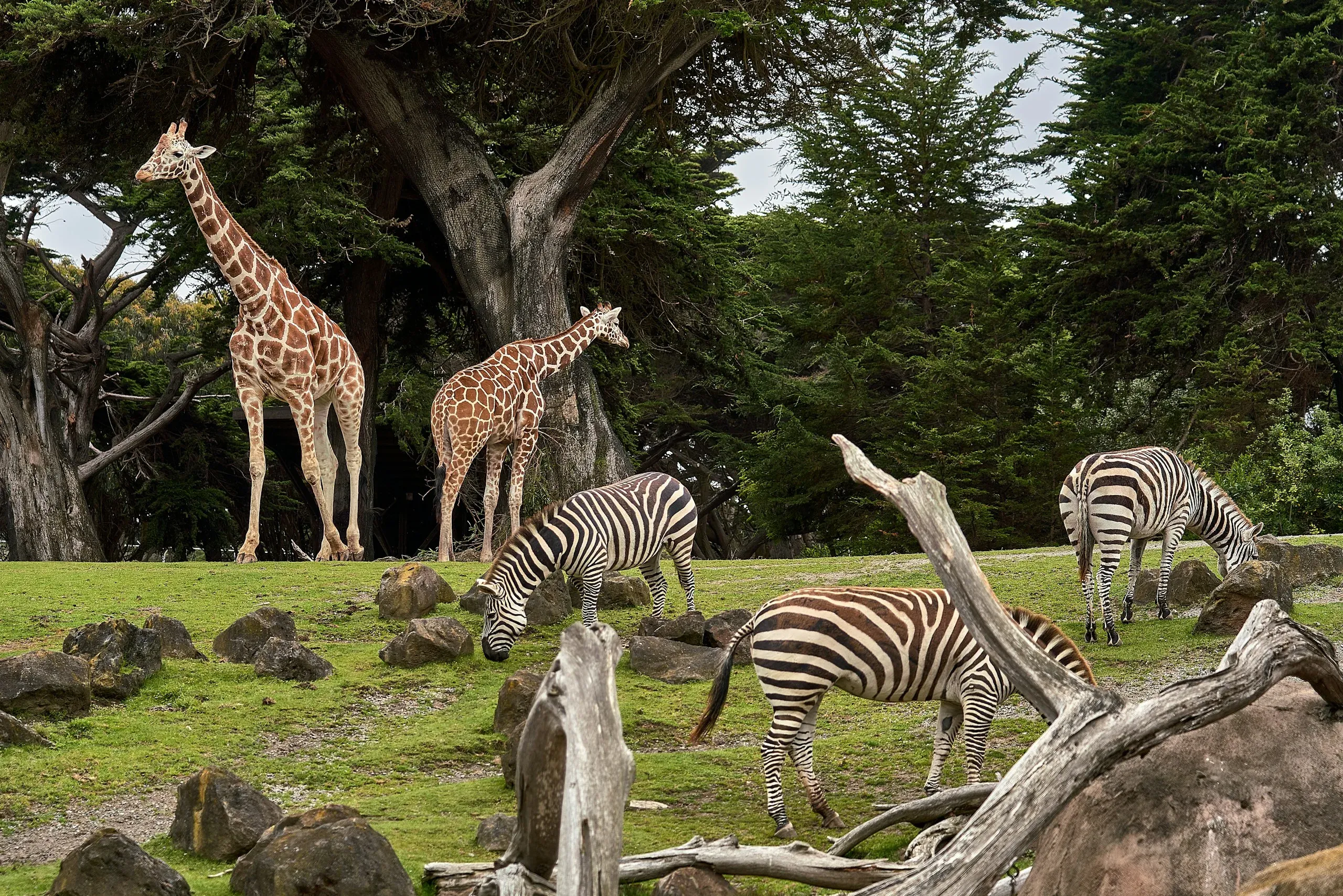
Zoo design has evolved significantly over the years. Traditional animal enclosures have increasingly given way to naturalistic habitats that prioritize animal welfare, encourage natural behaviors, and provide visitors with a deeper understanding of wildlife.
The Best Zoo Designers in the World combine landscape architecture, animal behavior research, environmental engineering, and visitor-focused planning to create modern zoological parks. Their work involves designing habitats that reflect the animals’ natural environments while ensuring appropriate safety, enrichment, and veterinary access.
Key Features of Modern Zoo Design
Contemporary zoo design focuses on several important elements:
- Naturalistic habitats: Enclosures that recreate forests, grasslands, wetlands, deserts, and other ecosystems.
- Animal welfare: Spaces that support movement, social interaction, privacy, and species-specific behavioral needs.
- Conservation facilities: Areas dedicated to breeding programs, research, rehabilitation, and endangered species protection.
- Educational experiences: Interactive exhibits, guided tours, and informative displays that encourage wildlife awareness.
- Sustainable infrastructure: Energy-efficient buildings, responsible water management, and environmentally conscious construction materials.
Leading zoological institutions demonstrate how thoughtful planning can combine conservation, education, and entertainment. Projects at Singapore Zoo, San Diego Zoo, and Copenhagen Zoo illustrate different approaches to immersive habitats, animal care, and visitor engagement.
Successful zoo design is not simply about creating attractive spaces. It is about building environments where animal welfare and conservation remain central to the visitor experience.
Botanical Garden Developers in the World: Creating Sustainable Green Spaces
Botanical gardens play an equally important role in protecting plant diversity and promoting environmental awareness. They preserve rare plant species, support scientific research, provide educational opportunities, and create peaceful green spaces for communities.
The Botanical Garden Developers in the World bring together horticulture, landscape architecture, ecological planning, irrigation engineering, and sustainable design to develop remarkable gardens suited to different climates and landscapes.
From tropical conservatories to desert botanical collections, these developers create spaces that celebrate the diversity of the plant kingdom.
Essential Elements of Botanical Garden Development
Successful botanical garden projects require careful planning and a long-term commitment to environmental sustainability.
1. Plant Conservation and Biodiversity
Botanical gardens often maintain living collections of native, rare, and endangered plants. Proper species selection and conservation planning help protect biodiversity and support botanical research.
2. Landscape Architecture
Paths, water features, themed gardens, shaded areas, and carefully designed planting arrangements create attractive landscapes while helping visitors explore different plant collections.
3. Climate-Responsive Design
Developers must consider local temperatures, rainfall, soil conditions, and sunlight. Greenhouses, shade structures, and specialized irrigation systems can help support plants with different environmental requirements.
4. Sustainable Water Management
Rainwater harvesting, efficient irrigation, water recycling, and appropriate plant selection can reduce water consumption and improve long-term garden sustainability.
5. Education and Research
Modern botanical gardens frequently include educational centers, research facilities, demonstration gardens, and interactive exhibits that help visitors understand plant conservation and ecological challenges.
Renowned destinations such as the Royal Botanic Gardens, Kew, Singapore Botanic Gardens, and Gardens by the Bay demonstrate how botanical collections, research, landscape design, and visitor experiences can work together.
How Zoo Designers and Botanical Garden Developers Work Together
Although zoos and botanical gardens serve different primary purposes, they share many planning principles. Both require ecological expertise, thoughtful landscape design, sustainable infrastructure, and a strong commitment to conservation.
Combining these disciplines can create integrated nature destinations featuring wildlife habitats, native plant collections, educational trails, wetlands, and biodiversity interpretation centers.
For example, carefully selected native vegetation can enrich animal habitats, while botanical displays can explain the relationship between plants, pollinators, birds, and other wildlife. Such projects encourage visitors to understand ecosystems as interconnected networks rather than isolated attractions.
Collaboration between zoological experts, horticulturists, architects, engineers, and conservation specialists is essential to achieving these outcomes.
What to Consider When Choosing a Zoo or Botanical Garden Developer
Selecting the right design and development partner is crucial for any large-scale nature project. Investors, public authorities, and tourism organizations should evaluate several factors before making a decision.
- Relevant experience: Review completed zoo, botanical garden, wildlife park, and ecological landscape projects.
- Technical expertise: Look for knowledge of animal welfare, horticulture, landscape architecture, and environmental planning.
- Sustainability practices: Assess the proposed approach to water conservation, energy efficiency, and habitat protection.
- Visitor experience: Consider accessibility, educational opportunities, circulation, and visitor safety.
- Long-term maintenance: Ensure that the design supports practical operations, plant growth, habitat management, and future expansion.
A successful developer should understand not only the visual appeal of a project but also its ecological responsibilities and operational requirements.
Conclusion
The Best Zoo Designers in the World and Botanical Garden Developers in the World are helping redefine modern nature destinations through innovative design, conservation-focused planning, and sustainable development. Their work creates opportunities for people to experience wildlife, discover plant diversity, and develop a stronger appreciation for the natural world.
As environmental awareness continues to grow, the demand for thoughtfully designed zoological parks and botanical gardens is expected to increase. By combining scientific expertise, creative landscape planning, and responsible resource management, these projects can become valuable centers for conservation, education, tourism, and community engagement.
Ultimately, the future of zoo and botanical garden development lies in creating spaces that inspire visitors while protecting the ecosystems on which all life depends.