
Is a Hyperbaric Oxygen Chamber Safe for Most People?
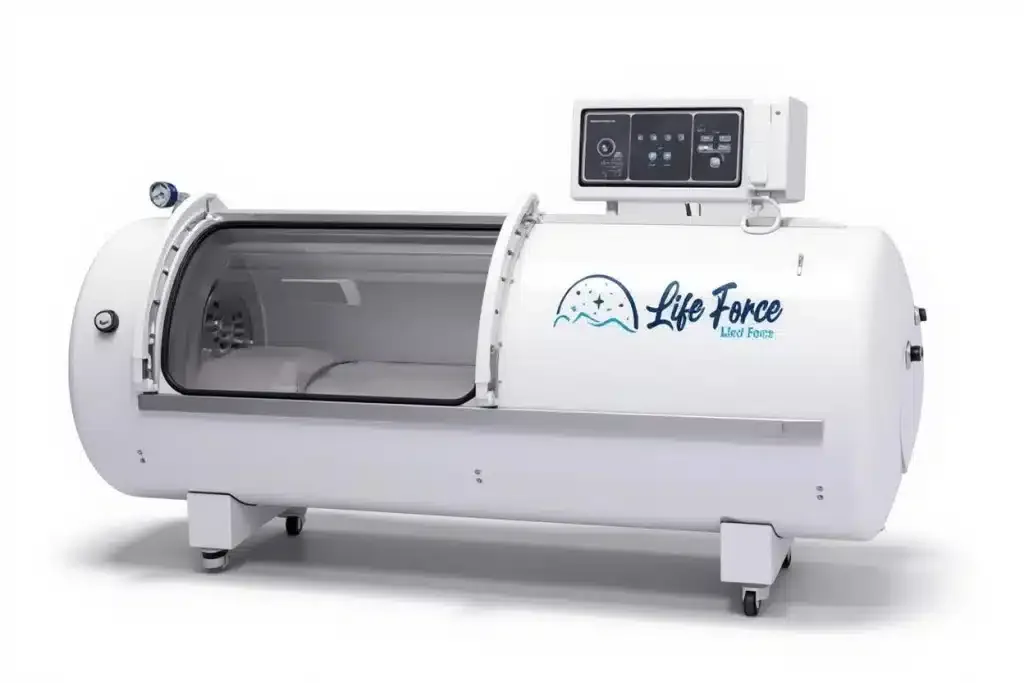
A hyperbaric oxygen chamber provides an environment where a person breathes concentrated oxygen under increased air pressure. This process, known as hyperbaric oxygen therapy (HBOT), allows the body to absorb more oxygen than it normally receives while breathing regular air at standard pressure.
Medical professionals use HBOT for certain approved conditions, including some types of wounds, radiation injuries, decompression sickness, and other specific medical situations. Because the treatment changes pressure and oxygen exposure, people should use a hyperbaric oxygen chamber under appropriate professional guidance.
For most suitable candidates, HBOT can be well tolerated when a trained professional follows established safety procedures. However, it is not automatically safe for everyone. A proper health assessment helps identify potential risks before treatment begins.
How Does Hyperbaric Oxygen Therapy Work?
During HBOT, the patient enters a chamber where atmospheric pressure gradually increases. The patient then breathes oxygen at a higher concentration than normal room air.
The increased pressure helps oxygen dissolve more effectively into blood plasma. This can support oxygen delivery to tissues that may not receive enough oxygen under normal conditions.
A typical session involves several stages. First, the pressure increases gradually. The patient then spends a specified amount of time breathing oxygen before the chamber slowly returns to normal pressure.
The controlled process helps reduce pressure-related discomfort and allows staff to monitor the patient throughout treatment.
Is a Hyperbaric Oxygen Chamber Safe for Most People?
For people who meet appropriate medical criteria, HBOT generally has a well-established safety profile. However, every person has different health circumstances, so medical screening remains important.
Some people experience temporary effects such as ear pressure, mild sinus discomfort, fatigue, or changes in vision. These effects often resolve after treatment ends or after the treatment schedule changes.
More serious complications are uncommon but can occur. For example, pressure changes can cause ear or lung injuries in susceptible individuals. Breathing high concentrations of oxygen for prolonged periods can also create oxygen-related risks.
For this reason, people should never assume that a chamber is suitable simply because someone else has used it successfully.
Who Should Take Extra Precautions Before HBOT?
Certain medical conditions can increase the risks associated with hyperbaric treatment. People with existing lung problems, certain ear conditions, or a history of particular medical complications may require additional evaluation.
An untreated pneumothorax is generally considered a major contraindication to HBOT. Other conditions may not automatically prevent treatment but can require careful assessment and monitoring.
Patients should provide a complete medical history before starting therapy. They should also tell the healthcare provider about medications, implanted devices, previous ear or lung problems, and any other relevant health concerns.
A professional can then determine whether HBOT represents an appropriate option and establish suitable treatment parameters.
What Common Side Effects Can Occur?
Most side effects associated with HBOT are relatively mild and often relate to pressure changes. Ear discomfort is one of the most common concerns because the pressure inside the chamber changes during compression and decompression.
Patients may also experience:
- Temporary ear fullness or discomfort
- Sinus pressure
- Mild fatigue
- Temporary vision changes
- Headache
- Claustrophobic feelings
- Rare oxygen-related complications
Learning proper ear-clearing techniques can make pressure changes more comfortable. Patients should immediately tell the operator if they experience significant pain, breathing difficulties, dizziness, or unusual symptoms during treatment.
Why Does Proper Chamber Operation Matter?
Safety depends not only on the person’s health but also on how the equipment operates. A properly maintained chamber should undergo appropriate inspections, cleaning, servicing, and safety checks.
Operators should understand the chamber’s controls, pressure limits, oxygen-delivery system, emergency procedures, and manufacturer instructions. They should also know how to respond if a patient develops discomfort or another problem during treatment.
Fire safety deserves particular attention because oxygen-rich environments can increase fire hazards. Users should follow strict rules concerning clothing, electronic devices, personal products, and other materials allowed inside the chamber.
Professional operation can significantly reduce preventable risks.
What Should You Know About a Used Hyperbaric Oxygen Chamber for Sale?
People researching a used hyperbaric oxygen chamber for sale should pay close attention to equipment condition rather than focusing only on the purchase price. A used chamber may offer financial advantages, but its history and maintenance record matter greatly.
Before purchasing used equipment, buyers should review available service records, manufacturer information, operating history, pressure specifications, and safety documentation. They should also determine whether replacement parts and professional servicing remain available.
A qualified technician should inspect the chamber before it enters regular use. The inspection should cover pressure integrity, oxygen systems, valves, controls, seals, electrical components, and other safety-critical parts.
Buyers should also confirm that the equipment meets applicable local requirements and that trained professionals can operate and maintain it correctly.
How Can You Make HBOT Safer?
Following basic safety practices can help create a safer treatment environment. First, obtain appropriate medical guidance before beginning therapy. A healthcare professional can determine whether HBOT is suitable for your circumstances.
Next, use equipment that receives proper maintenance. Never ignore damaged seals, unusual pressure behavior, alarms, leaks, or other warning signs.
Patients should also follow all chamber instructions. They should avoid bringing unauthorized items into the chamber and should communicate clearly with the operator throughout treatment.
Operators should maintain accurate records of inspections, servicing, treatments, and reported problems. Consistent documentation can help identify developing equipment issues before they become serious.
Organizations such as Life Force Med Beds can help buyers understand equipment considerations, but medical decisions should always involve appropriately qualified healthcare professionals.
Should You Buy a Hyperbaric Oxygen Chamber for Home Use?
Home use requires additional consideration because operating a chamber involves more than simply turning on a machine. Users need suitable training, appropriate installation, maintenance, emergency planning, and an understanding of contraindications.
Before purchasing a chamber, consider who will operate it, how it will be maintained, whether professional supervision is available, and what safety procedures will apply.
A lower purchase price does not necessarily mean lower overall costs. Maintenance, inspections, replacement components, training, installation, and professional support can all affect the long-term investment.
Anyone considering a used hyperbaric oxygen chamber for sale should therefore evaluate the complete safety and ownership picture rather than making a decision based solely on price.
What Should You Ask Before Starting Treatment?
Before starting HBOT, ask the healthcare provider several important questions. Find out why the therapy has been recommended, what benefits you can realistically expect, how many sessions may be appropriate, and what risks apply to your situation.
You should also ask who will supervise the treatment and what emergency procedures are available.
If you plan to use equipment outside a clinical environment, ask about maintenance requirements, operator training, manufacturer support, and inspection schedules.
These questions can help you make a more informed decision and reduce avoidable risks.
How Can You Choose the Right Hyperbaric Oxygen Equipment?
Choosing a chamber requires attention to safety, quality, intended use, and professional support. Compare chamber specifications, construction, pressure capabilities, oxygen-delivery systems, safety features, maintenance requirements, and available technical support.
When evaluating new or used equipment, request documentation whenever possible. Avoid equipment with an unclear history, missing safety information, visible damage, or questionable maintenance records.
Reliable support can make a major difference throughout the equipment’s operating life. Life Force Med Beds can be considered as part of your research when evaluating hyperbaric equipment options, while qualified medical professionals should guide treatment decisions.
What Is the Bottom Line on HBOT Safety?
A hyperbaric oxygen chamber can be safe for many appropriately screened people when qualified professionals use properly maintained equipment and follow established safety procedures. However, HBOT does carry risks, and individual medical conditions can change the safety profile.
Anyone considering treatment should receive appropriate medical evaluation first. Buyers considering a used hyperbaric oxygen chamber for sale should also arrange a thorough equipment inspection and verify its maintenance and safety history.
The best approach combines suitable patient screening, properly maintained equipment, trained operation, and careful adherence to safety procedures. These steps help people make informed choices while reducing preventable risks associated with hyperbaric oxygen therapy.