
Parametric False Ceiling: Transforming Interiors with Innovative Ceiling Designs
Interior design is constantly evolving, and ceilings are no longer treated as just functional elements that conceal wiring, ducts, or structural components. Today, ceilings have become an important part of architectural expression. One of the most innovative trends transforming modern interiors is the parametric false ceiling. Combining technology, creativity, geometry, and lighting, parametric ceilings can turn an ordinary room into a visually striking space.
Whether used in residential homes, corporate offices, hotels, restaurants, retail stores, or commercial spaces, parametric ceiling designs offer endless possibilities for creating unique and memorable interiors.
What Is a Parametric False Ceiling?
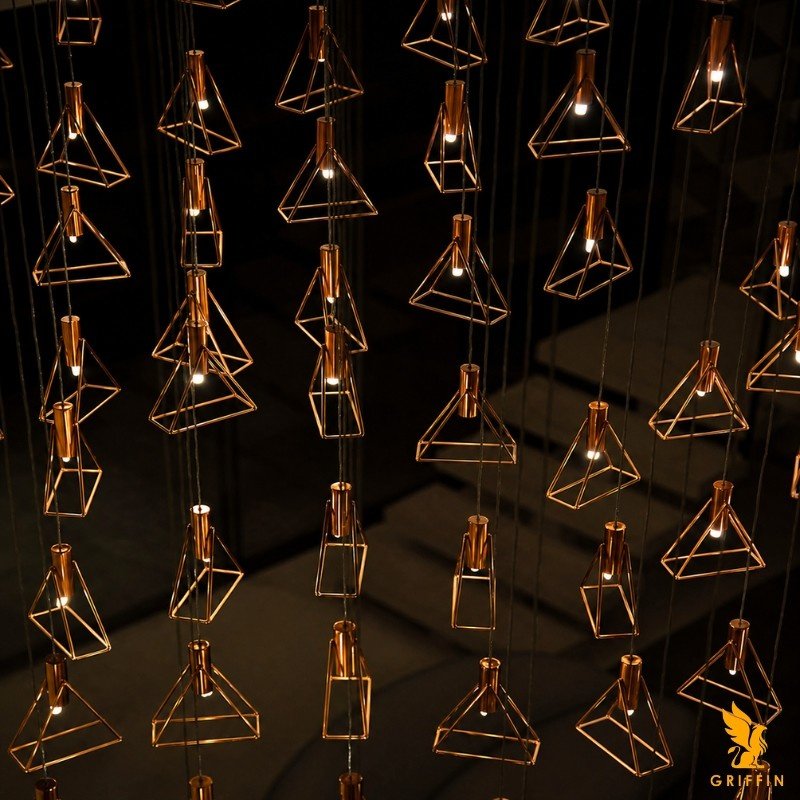
A parametric false ceiling is a customized ceiling system created using computational design techniques. Instead of relying on conventional straight lines, grids, or repetitive patterns, parametric designs use algorithms and digital modeling to generate fluid curves, waves, geometric patterns, and organic forms.
These designs can be manufactured using materials such as MDF, plywood, gypsum, metal, acrylic, or other lightweight architectural materials. The individual components are precisely cut and assembled to create a continuous three-dimensional pattern.
The biggest advantage of parametric design is flexibility. Designers can modify the shape, density, depth, and pattern of the ceiling according to the dimensions and character of a particular space.
Why Choose Parametric Ceiling Designs?
Traditional false ceilings can provide a clean and practical finish, but parametric designs take functionality a step further by making the ceiling a central visual feature.
A well-designed parametric ceiling can:
- Create a strong architectural focal point
- Add depth and dimension to interiors
- Complement contemporary furniture and décor
- Conceal electrical wiring and services
- Improve the visual proportion of large spaces
- Integrate lighting into the overall design
- Create distinctive branding opportunities in commercial interiors
Because every design can be customized, parametric ceilings are particularly suitable for spaces where originality and visual impact are important.
The Role of Interior Parametric Ceilings Lightings
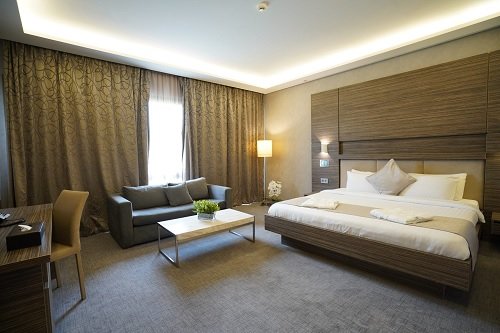
Lighting is one of the most important elements when designing a parametric ceiling. The combination of interior parametric ceilings lightings can dramatically enhance the patterns, curves, and layers of the ceiling.
Instead of simply installing conventional lights below the ceiling, designers can integrate LED strips, recessed lights, spotlights, linear lighting, and concealed illumination directly into the parametric structure.
For example, concealed LED strips can be positioned behind layered panels to create a soft glowing effect. Linear lights can follow the curves of a parametric pattern, emphasizing its movement and geometry. Spotlights can highlight specific architectural details, furniture, artwork, or reception areas.
The result is more than simple illumination—it becomes an architectural lighting experience.
Creating a Visual Connection Between Ceiling and Interior
One of the most effective ways to use parametric ceilings is to make them visually connect with other elements of the interior. The curves or patterns of the ceiling can be reflected in walls, partitions, furniture, or flooring.
For instance, a flowing wave pattern above a reception desk can visually guide visitors toward the entrance. In a restaurant, a repeated parametric pattern can create a distinctive identity while providing warm ambient illumination. In an office, geometric ceiling elements can define collaborative zones without the need for physical walls.
This approach helps create a cohesive interior where the ceiling feels like an integrated part of the overall design rather than an isolated decorative feature.
Material and Color Selection
Material selection plays an important role in determining the appearance and performance of a parametric ceiling. Wooden or wood-finish panels can create warmth and sophistication, while metal finishes can produce a contemporary or industrial character.
Gypsum-based solutions can provide a seamless appearance, while MDF and plywood are commonly used for detailed layered patterns. The choice of material should consider factors such as weight, maintenance, fire safety, acoustic performance, installation requirements, and the overall design concept.
Color also affects the visual impact. Neutral shades can allow the geometry to remain subtle and elegant, whereas contrasting colors can make the ceiling a dramatic focal point.
Parametric Ceilings for Different Spaces
The versatility of parametric ceiling systems makes them suitable for a wide variety of environments.
Homes: In living rooms, dining areas, bedrooms, and entertainment spaces, parametric ceilings can add a premium architectural character.
Offices: They can be used to define zones, improve visual identity, and integrate functional lighting into workspaces.
Hotels: Reception areas, corridors, restaurants, and banquet halls can benefit from statement ceiling installations.
Retail Spaces: Parametric patterns can strengthen brand identity and attract customer attention.
Restaurants and Cafés: Sculptural ceilings combined with warm lighting can create an inviting and memorable atmosphere.
The Future of Ceiling Design
As digital design and advanced manufacturing technologies continue to develop, parametric architecture is becoming increasingly accessible. Designers can now experiment with complex forms that would have been difficult or expensive to create using traditional methods.
The future of ceiling design is likely to focus even more on customization, sustainability, smart lighting, acoustic solutions, and digitally fabricated components. Parametric ceilings can combine several of these requirements into a single architectural feature.
Conclusion
A parametric false ceiling offers a creative way to redefine the fifth wall of an interior. With its customized forms, layered geometry, and ability to integrate lighting, it can transform an ordinary ceiling into a major design statement.
When carefully planned, interior parametric ceilings lightings can enhance the architectural patterns while providing functional and atmospheric illumination. From homes and offices to hotels and commercial spaces, parametric ceiling systems provide designers with an opportunity to create interiors that are distinctive, contemporary, and visually engaging.
As interior design continues to embrace technology and customization, parametric ceilings are set to become an increasingly popular solution for creating sophisticated and innovative spaces.