
What Are the Warning Signs of Fracture Treatment Complications?
Fractures require timely and appropriate treatment to restore bone alignment, support healing, and help patients return to normal activities. Most fractures heal well when patients follow medical advice, but complications can sometimes develop during recovery. Recognising warning signs early can help prevent minor problems from becoming serious.
Fracture treatment may involve immobilisation with a cast or splint, medication, physiotherapy, or surgery, depending on the location and severity of the injury. Patients should monitor their symptoms throughout recovery and communicate any unusual changes to their healthcare provider.
If you are receiving Fracture treatment in Bilaspur, regular follow-up appointments can help your doctor assess bone healing and identify complications at an early stage.
Why Is Monitoring Important After a Fracture?
Healing does not end when a cast is applied or surgery is completed. Bone and surrounding tissues need time to recover. During this period, swelling, discomfort, stiffness, and limited movement can occur. However, some symptoms may indicate that the fracture has not healed correctly or that another problem has developed.
Following your doctor’s instructions can support proper recovery. Attend scheduled appointments, use casts or braces as instructed, avoid putting excessive weight on the injured area, and complete recommended rehabilitation exercises.
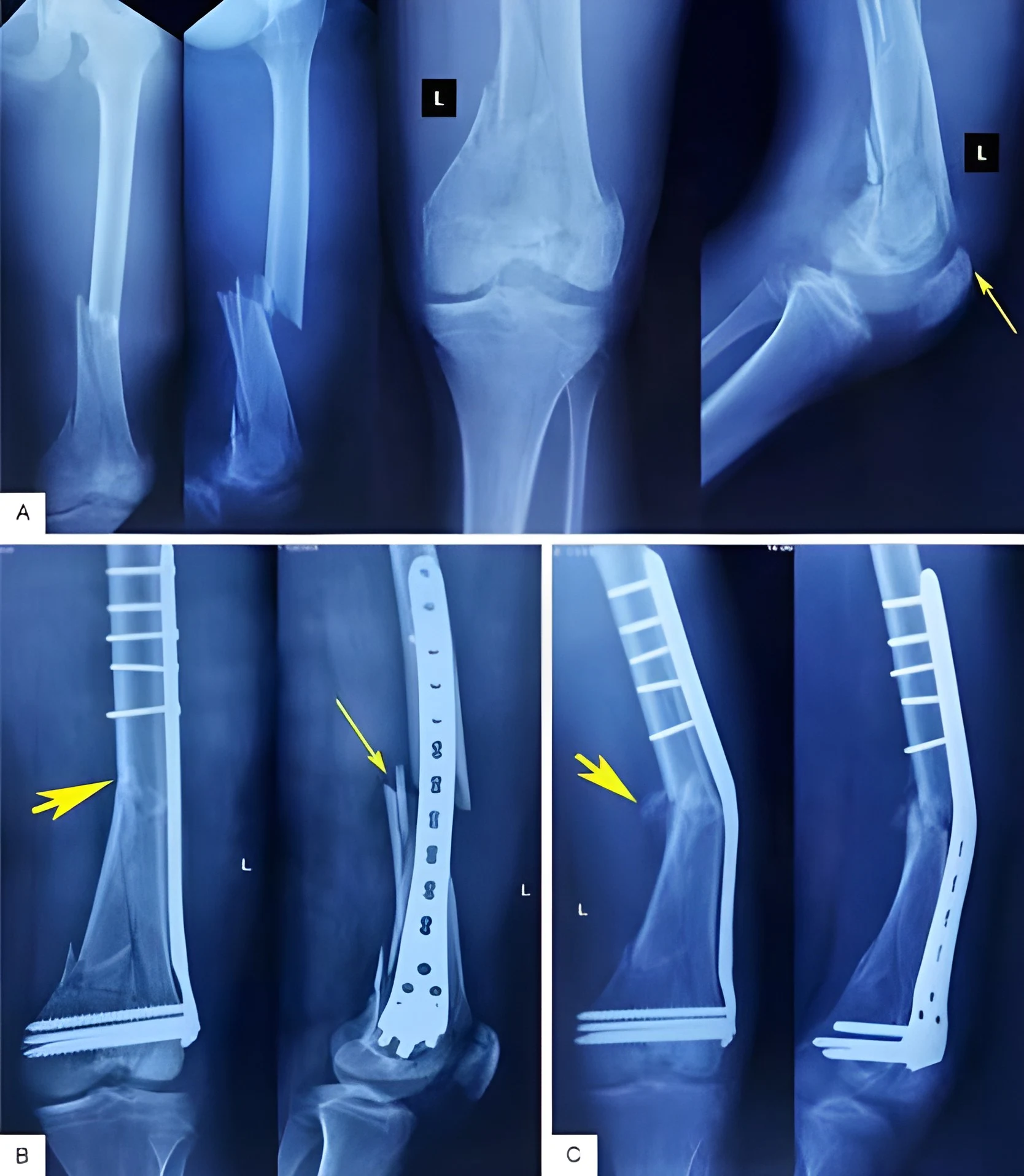
A healthcare professional can also use physical examinations and imaging tests when necessary to monitor the position and progress of the fracture.
Could Increasing Pain Be a Warning Sign?
Pain commonly occurs after a fracture, particularly during the early stages of recovery. However, pain that becomes increasingly severe instead of gradually improving deserves attention.
A sudden increase in pain may occur because of excessive pressure on the injured area, swelling, infection, improper bone alignment, or other complications. Pain that returns after a period of improvement should also not be ignored.
Do not increase or change your medication without medical advice. Contact your healthcare provider if pain becomes severe, persistent, or noticeably different from your usual recovery symptoms.
Can Excessive Swelling Indicate a Problem?
Some swelling is normal after a fracture. It usually decreases gradually as the injury heals. Persistent or rapidly increasing swelling, especially when accompanied by severe pain, numbness, or changes in skin colour, can indicate a complication.
A tight cast or bandage can sometimes place excessive pressure on surrounding tissues. This may affect circulation or nerve function. If swelling suddenly increases or your cast feels unusually tight, seek prompt medical evaluation rather than attempting to modify the cast yourself.
Is Numbness or Tingling a Serious Warning Sign?
Numbness, tingling, burning sensations, or loss of feeling around the injured area can indicate pressure on a nerve or reduced circulation. These symptoms require attention, particularly if they develop suddenly or worsen over time.
Patients with casts should pay attention to changes in their fingers or toes. If they become unusually cold, pale, blue, numb, or difficult to move, contact a healthcare professional promptly.
Early assessment can help doctors determine whether the cast, swelling, or another factor is affecting nerves or blood flow.
Could Fever Suggest an Infection?
Fever does not always mean that a fracture has developed a complication, but it can become concerning when it occurs with increasing pain, redness, warmth, swelling, or drainage around a surgical wound.
Patients who undergo fracture surgery should carefully monitor the incision. Pus-like discharge, unpleasant odour, spreading redness, wound opening, or worsening tenderness may indicate an infection.
Never ignore signs of infection after an operation. Prompt medical assessment can help determine the cause and appropriate treatment.
What Does Delayed Healing Mean?
Bones usually require several weeks or longer to heal, depending on the fracture and the patient’s overall circumstances. When the bone takes longer than expected to heal, doctors may describe the situation as delayed union.
Patients may experience ongoing pain, tenderness, weakness, or difficulty using the affected limb. Follow-up imaging can help a doctor determine whether the fracture is progressing toward healing.
Factors such as the type and location of the fracture, smoking, certain medical conditions, poor nutrition, and inadequate protection of the injured area can influence bone healing.
Can a Bone Fail to Heal Properly?
Sometimes a fractured bone does not unite as expected. This condition is known as nonunion. Patients may continue to experience pain or instability at the fracture site, particularly when they try to use the affected limb.
A doctor may recommend additional imaging and evaluate several factors before deciding on further treatment. Depending on the situation, treatment can involve prolonged immobilisation, bone stimulation, or surgery.
Patients should not assume that persistent pain is simply a normal part of recovery. Discussing ongoing symptoms with an orthopaedic specialist can help identify the underlying problem.
Could Improper Bone Alignment Cause Problems?
A fracture may occasionally heal in an incorrect position, which doctors may call malunion. This can affect the shape, strength, movement, or function of the affected limb.
Patients may notice an unusual appearance, restricted movement, weakness, or difficulty performing everyday activities. In some cases, the affected limb may appear shorter or differently positioned compared with the uninjured side.
Choosing an experienced Best orthopaedic doctor in Bilaspur can help patients receive appropriate assessment and follow-up throughout the healing process.
When Should You Seek Immediate Medical Attention?
Some symptoms require urgent evaluation rather than waiting for the next scheduled appointment. Seek immediate medical attention if you experience severe or rapidly worsening pain, significant loss of sensation, inability to move the affected fingers or toes, major changes in skin colour or temperature, severe swelling, or signs of serious infection.
After surgery, heavy bleeding, wound separation, severe fever, breathing difficulty, or sudden chest pain also require urgent medical assessment.
Early intervention can make a significant difference when complications affect circulation, nerves, infection control, or bone healing.
How Can You Reduce the Risk of Fracture Complications?
Patients can support recovery by following their treatment plan carefully. Keep the injured area protected, use walking aids correctly when recommended, take prescribed medicines as directed, and avoid returning to demanding physical activities before receiving medical clearance.
Nutrition also plays an important role in general recovery. A balanced diet containing adequate protein, calcium, vitamins, and other nutrients can support the body’s healing processes.
Physiotherapy may help restore strength, flexibility, balance, and movement once the doctor considers it appropriate. Patients should perform exercises according to professional guidance rather than pushing through significant pain.
Regular follow-up appointments remain important even when symptoms appear to improve.
How Can the Right Orthopaedic Care Support Recovery?
Professional evaluation can help identify whether a fracture is healing as expected and whether treatment needs adjustment. An orthopaedic specialist can assess symptoms, review imaging, monitor bone alignment, and recommend rehabilitation when appropriate.
For people seeking Fracture treatment in Bilaspur, choosing a healthcare facility with appropriate orthopaedic services can make the recovery process more organised and closely monitored. Mundra Hospital provides a setting where patients can seek professional evaluation for orthopaedic concerns and fracture-related care.
If you notice unusual pain, swelling, numbness, fever, wound changes, or difficulty using the injured limb, discuss these symptoms with a qualified medical professional instead of waiting for them to disappear.
What Should You Remember During Fracture Recovery?
Fracture recovery requires patience, protection, and regular monitoring. Not every ache or swelling indicates a serious complication, but symptoms that worsen, return unexpectedly, or interfere with normal recovery deserve professional attention.
Following medical instructions, attending follow-up appointments, protecting the injured area, and completing recommended rehabilitation can support a safer recovery. If you are looking for a Best orthopaedic doctor in Bilaspur, professional assessment can help determine the most appropriate approach for your fracture and recovery needs.
Mundra Hospital can be considered by patients seeking orthopaedic evaluation and fracture-related care in Bilaspur.