
Expanding Wood Glue vs. D4 Wood Glue: Which Adhesive Is Best for Durable Wood Bonding?
Woodworking projects require more than precision and quality timber—they also demand the right adhesive. Whether you’re building outdoor furniture, installing wooden flooring, or crafting cabinets, selecting the proper glue plays a crucial role in ensuring long-lasting performance. Among the many options available, expanding wood glue and D4 wood glue are two popular choices known for their exceptional strength and moisture resistance.
But what sets them apart, and which one is best suited for your project? In this guide, we’ll explore the features, benefits, applications, and differences between expanding wood glue and D4 wood glue to help you make an informed decision.
What Is Expanding Wood Glue?
Expanding wood glue is typically a polyurethane-based adhesive that expands slightly as it cures. This expansion allows the glue to fill small gaps, cracks, and uneven surfaces, creating a secure and durable bond even when the wood pieces are not perfectly aligned.
Unlike traditional wood glues, expanding adhesives react with moisture during the curing process, making them ideal for challenging woodworking environments. Once fully cured, they form a strong, waterproof bond capable of withstanding heavy loads and changing weather conditions.
Key Benefits of Expanding Wood Glue
- Excellent gap-filling capability
- Strong bond on uneven surfaces
- Waterproof performance
- Suitable for indoor and outdoor use
- Resistant to temperature fluctuations
- Long-lasting durability
Because of these qualities, expanding wood glue is widely used in construction, furniture manufacturing, and outdoor woodworking projects.
What Is D4 Wood Glue?
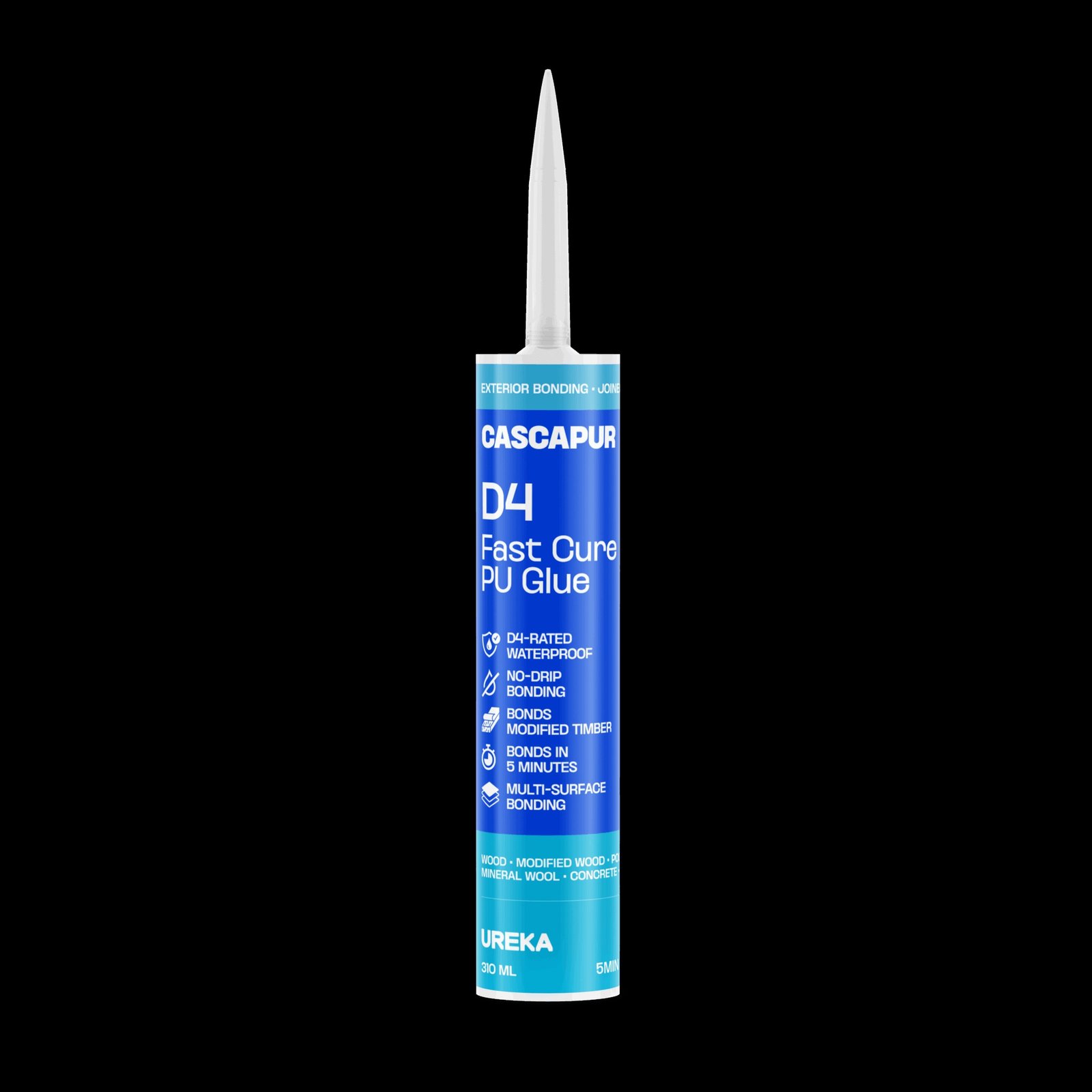
D4 wood glue refers to an adhesive that meets the D4 water-resistance classification under European standards. This rating indicates excellent resistance to water and humidity, making it one of the highest-performing wood adhesives for demanding environments.
D4 adhesives are commonly available as advanced PVA formulations or polyurethane-based products, depending on the manufacturer. They are designed for projects exposed to frequent moisture, occasional standing water, and varying weather conditions.
Advantages of D4 Wood Glue
- Superior water resistance
- High bonding strength
- Excellent durability
- Suitable for structural woodworking
- Ideal for humid environments
- Strong performance in both interior and exterior applications
For projects where moisture protection is a priority, D4 wood glue is often the preferred choice.
Expanding Wood Glue vs. D4 Wood Glue
Although both adhesives provide outstanding performance, they serve slightly different purposes.
Bonding Performance
Expanding wood glue excels at filling gaps and bonding irregular surfaces because it expands during curing. This makes it especially useful when working with rough or imperfect wood.
D4 wood glue, on the other hand, focuses primarily on creating an extremely strong, water-resistant bond between properly fitted wooden surfaces.
Water Resistance
Both adhesives perform well in wet conditions. However, D4 wood glue is specifically certified for high water resistance, making it an excellent option for outdoor furniture, kitchen installations, and bathroom cabinetry.
Ease of Application
D4 PVA wood glue generally applies more smoothly and requires less cleanup than expanding polyurethane adhesives, which can foam during curing.
Gap Filling
Expanding wood glue has a clear advantage when surfaces contain small gaps or uneven edges. Its expansion helps improve contact between bonded surfaces.
Common Applications
Both expanding wood glue and D4 wood glue are widely used across numerous woodworking industries.
Typical applications include:
- Outdoor furniture
- Garden structures
- Wooden doors
- Window frames
- Kitchen cabinets
- Bathroom furniture
- Hardwood flooring
- Staircases
- Wooden decking
- Structural timber construction
Professionals often choose the adhesive based on environmental exposure and joint design.
How to Achieve the Strongest Bond
No matter which adhesive you choose, proper preparation significantly improves bonding strength.
Follow these best practices:
- Clean the wood surfaces thoroughly.
- Remove dust, grease, and moisture.
- Apply an even layer of adhesive.
- Clamp the pieces firmly during curing.
- Follow the manufacturer’s recommended curing time.
- Remove excess glue before it hardens.
Proper application ensures maximum performance and long-term durability.
Common Mistakes to Avoid
Many woodworking failures occur because of incorrect adhesive application rather than poor product quality.
Avoid these common mistakes:
- Applying too much expanding glue
- Skipping surface preparation
- Removing clamps too early
- Ignoring curing times
- Using indoor adhesives for outdoor projects
- Not wearing gloves when handling polyurethane glue
Attention to detail can significantly improve project quality.
How to Choose the Right Adhesive
When deciding between expanding wood glue and D4 wood glue, consider the following questions:
- Will the project be exposed to moisture?
- Are the wood surfaces perfectly fitted?
- Does the joint contain gaps?
- Is waterproof performance essential?
- Will the structure experience heavy loads?
If you’re working with uneven surfaces that require gap filling, expanding wood glue is an excellent choice. If your project demands certified water resistance and clean, precise joints, D4 wood glue is often the better option.
Final Thoughts
Choosing the right adhesive is one of the most important decisions in any woodworking project. Both expanding wood glue and D4 wood glue offer exceptional strength, durability, and moisture resistance, but each excels in different situations.
Expanding wood glue is ideal for filling gaps and bonding uneven surfaces, while D4 wood glue delivers superior waterproof performance for well-fitted joints in demanding environments. By understanding your project’s requirements and following proper application techniques, you can achieve strong, reliable, and long-lasting wood bonds that stand the test of time. Whether you’re a professional carpenter or a DIY enthusiast, investing in the right adhesive ensures every woodworking project is built to last.