
Wood Adhesive and Best Wood Glue: Choosing the Right Solution for Strong Wood Bonding
Woodworking has remained one of the most important crafts and industries for centuries. From furniture making and flooring installation to home repairs and construction projects, wood continues to be a widely used material around the world. One essential product that plays a major role in woodworking is wood adhesive. Whether for professional carpenters or DIY enthusiasts, finding the best wood glue is crucial for achieving strong, durable, and long-lasting results.
Modern adhesives have transformed woodworking by providing reliable bonding solutions that improve strength, durability, and overall project quality. With so many products available today, understanding the benefits and applications of wood adhesives can help users choose the right solution for their specific needs.
What Is Wood Adhesive?
A wood adhesive is a specially formulated glue designed to bond wooden surfaces together. Unlike regular household glue, wood adhesives are created to penetrate wood fibers and form strong connections capable of handling pressure, weight, and environmental conditions.
Wood adhesives are commonly used in:
- Furniture manufacturing
- Cabinet making
- Flooring installation
- Carpentry projects
- Home repairs
- Wood crafts and DIY projects
These adhesives help improve the structural integrity and durability of wooden products.
Why Choosing the Best Wood Glue Matters
Selecting the best wood glue is important because different projects require different bonding strengths and properties. Using the wrong adhesive can lead to weak joints, cracking, or reduced durability over time.
Stronger Bonding
High-quality wood glue creates a powerful bond that often becomes stronger than the wood itself.
Durability
Professional-grade adhesives can withstand moisture, heat, and heavy use.
Improved Appearance
The right adhesive helps create cleaner joints and smoother finishes.
Long-Term Reliability
Using the correct glue reduces the chances of repairs or failures in the future.
Types of Wood Adhesive
There are several types of wood adhesives available, each designed for specific applications.
PVA Wood Glue
PVA (Polyvinyl Acetate) glue is one of the most common types used in woodworking.
Benefits:
- Easy to apply
- Fast drying
- Non-toxic
- Affordable
It is commonly used for furniture assembly, crafts, and indoor woodworking projects.
Polyurethane Glue
Polyurethane adhesives are known for their strong waterproof properties.
Advantages:
- Water-resistant
- Suitable for outdoor projects
- Bonds multiple materials
This type of glue is often used in construction and exterior woodworking.
Epoxy Adhesive
Epoxy adhesives provide extremely strong and durable bonds.
Common Uses:
- Heavy-duty repairs
- Structural woodworking
- Gap filling applications
Epoxy is highly resistant to moisture and chemicals.
Hide Glue
Hide glue is a traditional adhesive commonly used in antique furniture restoration and musical instrument repair.
Benefits:
- Easy to reverse for repairs
- Traditional woodworking applications
Cyanoacrylate Glue
Often referred to as super glue, this adhesive is useful for quick repairs and small woodworking tasks.
Features of the Best Wood Glue
When searching for the best wood glue, several important features should be considered.
Bond Strength
A strong bond is essential for structural integrity and long-lasting performance.
Drying Time
Some projects require quick-setting adhesives, while others benefit from slower drying for better adjustments.
Water Resistance
Outdoor and moisture-prone projects require waterproof or water-resistant adhesives.
Sandability
Good wood glue should dry smoothly and allow easy sanding for a professional finish.
Non-Toxic Formula
Many users prefer adhesives with low odor and safe indoor use properties.
Common Applications of Wood Adhesive
Wood adhesives are used in a wide variety of projects and industries.
Furniture Manufacturing
Wood glue is essential for assembling chairs, tables, cabinets, and shelves.
Flooring Installation
Many hardwood flooring systems rely on strong adhesives for secure installation.
Home Renovation
Wood adhesives are frequently used for trim work, repairs, and decorative wood installations.
DIY and Craft Projects
Hobbyists often use wood glue for small crafts, decorations, and creative woodworking projects.
Tips for Using Wood Glue Effectively
Proper application techniques help maximize adhesive performance.
Clean the Surface
Wood surfaces should be free from dust, oil, and moisture before applying glue.
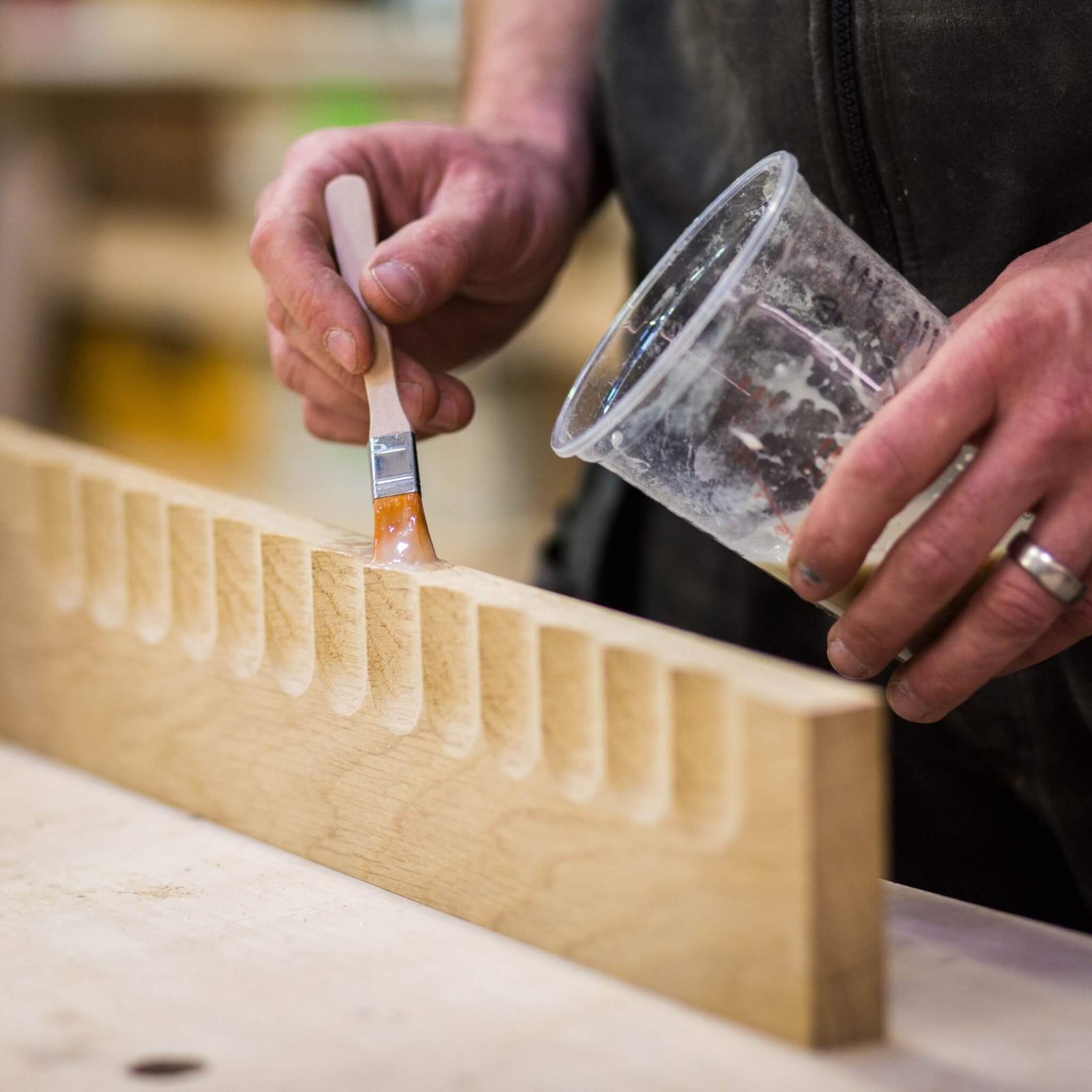
Apply Evenly
A thin and even layer of adhesive helps create a stronger bond.
Use Clamps
Clamping wood pieces together during drying improves bonding strength.
Allow Proper Drying Time
Following the manufacturer’s drying recommendations is essential for durability.
Avoid Excess Glue
Too much adhesive can create messy joints and affect finishing work.
Indoor vs Outdoor Wood Adhesive
Different environments require different adhesive properties.
Indoor Wood Glue
Indoor adhesives are suitable for furniture and interior woodworking projects where moisture exposure is limited.
Outdoor Wood Glue
Outdoor adhesives are designed to resist:
- Rain
- Humidity
- Temperature changes
- UV exposure
Choosing the correct adhesive ensures better long-term performance.
The Role of Wood Adhesive in Modern Construction
Construction industries increasingly rely on advanced adhesives for structural and decorative woodworking.
Engineered Wood Products
Many modern wood products use adhesives to improve stability and strength.
Sustainable Construction
Adhesive technology helps reduce material waste and improve resource efficiency.
Faster Assembly
Modern adhesives speed up production and installation processes.
Innovations in Wood Glue Technology
The adhesive industry continues to evolve with improved formulas and environmentally friendly solutions.
Eco-Friendly Adhesives
Manufacturers are developing low-VOC and non-toxic products that reduce environmental impact.
Stronger Waterproof Formulas
Advanced waterproof adhesives improve durability for outdoor applications.
Faster Curing Technology
Modern products now offer quicker drying times while maintaining high bond strength.
How to Choose the Best Wood Glue for Your Project
The ideal adhesive depends on the specific woodworking task.
Consider the Project Type
Furniture, flooring, outdoor decks, and crafts may require different adhesives.
Evaluate Environmental Conditions
Projects exposed to moisture need water-resistant products.
Check Drying Requirements
Fast-setting adhesives are useful for quick repairs, while slower drying glues allow better positioning.
Review Manufacturer Recommendations
Always follow the recommended usage guidelines for best results.
Conclusion
Choosing the right wood adhesive and finding the best wood glue can significantly improve the quality, strength, and durability of woodworking projects. Whether working on furniture, home repairs, flooring, or professional carpentry, high-quality adhesives provide reliable bonding solutions that help ensure long-lasting performance.
As woodworking technology continues to evolve, modern wood adhesives offer stronger bonds, better water resistance, and more environmentally friendly formulas than ever before. By selecting the right adhesive for each project and applying it correctly, both professionals and DIY enthusiasts can achieve cleaner finishes, stronger structures, and more successful woodworking results.