
PVA Glue and Wood Glue: The Ultimate Guide for Strong and Reliable Woodworking
When it comes to woodworking and DIY projects, choosing the right adhesive is essential for achieving strong, durable, and professional results. Two of the most commonly used adhesives are PVA glue and wood glue. While these terms are often used interchangeably, understanding their features, uses, and benefits can help you make the best choice for your projects.
What is PVA Glue?
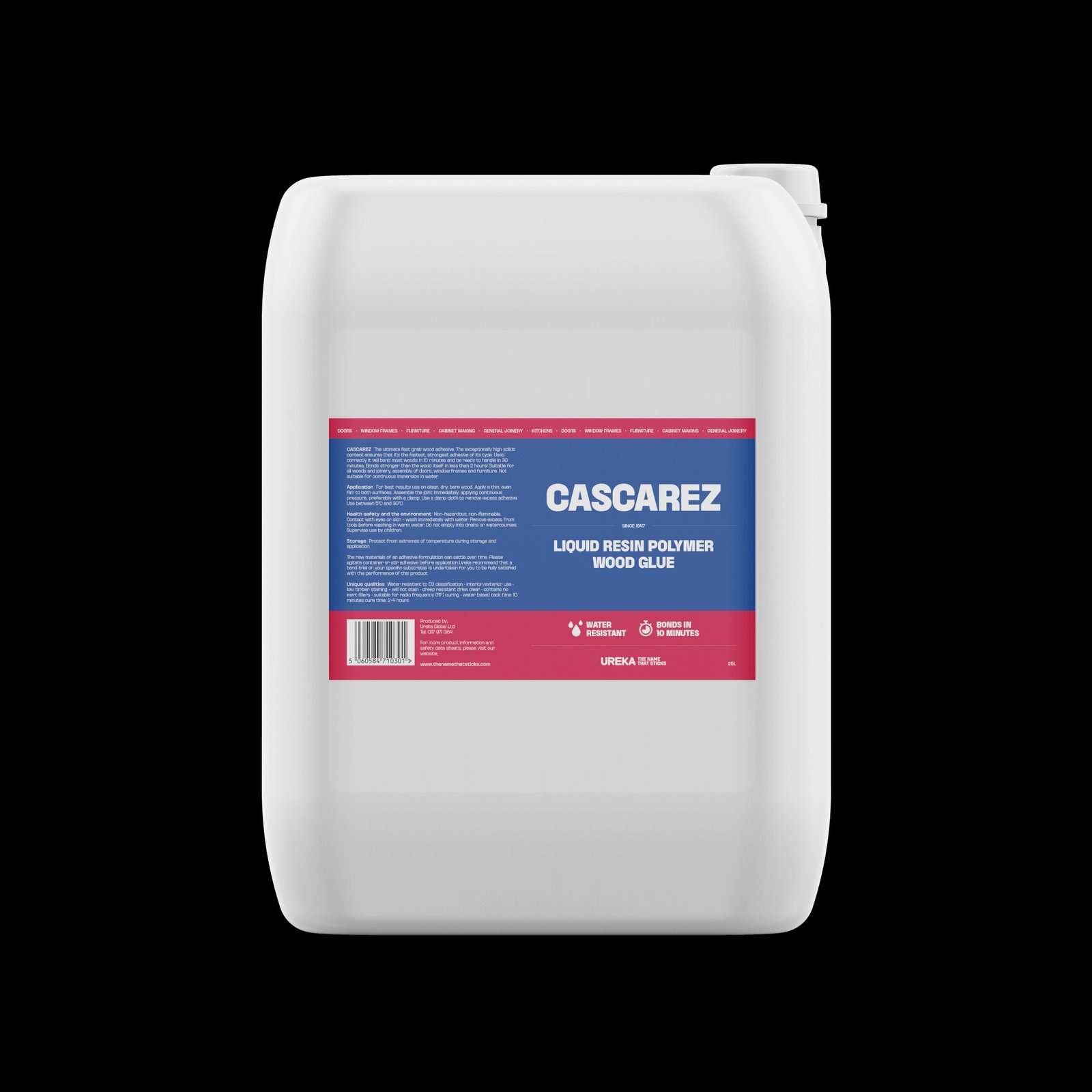
PVA glue (Polyvinyl Acetate) is a water-based adhesive widely used in woodworking, crafts, and general repairs. It is known for its ease of use, strong bonding capability, and versatility.
One of the key advantages of PVA glue is that it penetrates wood fibers, creating a bond that can be stronger than the wood itself when properly applied. It dries clear, making it ideal for projects where appearance matters.
Additionally, PVA glue is non-toxic and easy to clean with water, making it suitable for both professionals and beginners.
What is Wood Glue?
Wood glue is a broader term that refers to any adhesive specifically designed for bonding wood. While PVA glue is one of the most popular types of wood glue, there are other varieties such as polyurethane glue, epoxy, and hide glue.
The main purpose of wood glue is to create strong, durable joints that can withstand stress, weight, and environmental conditions. It is commonly used in furniture making, cabinetry, flooring, and repair work.
Are PVA Glue and Wood Glue the Same?
In many cases, PVA glue is considered a type of wood glue. However, not all wood glues are PVA-based. The distinction lies in the formulation and intended use.
- PVA glue is ideal for general woodworking and indoor projects.
- Other types of wood glue may offer additional features such as water resistance or gap-filling capabilities.
Understanding this difference helps you choose the right adhesive for your specific needs.
Advantages of PVA Glue
Using PVA glue offers several benefits:
- Strong Bond: Creates durable joints for most woodworking tasks
- Ease of Use: Simple application and cleanup
- Non-Toxic: Safe for home and workshop use
- Affordable: Cost-effective compared to other adhesives
- Versatile: Suitable for wood, paper, and some fabrics
These features make PVA glue one of the most widely used types of wood glue.
Advantages of Wood Glue
Different types of wood glue provide unique advantages depending on the application:
- High Strength: Suitable for structural and heavy-duty projects
- Water Resistance: Some variants are ideal for outdoor use
- Durability: Long-lasting performance under stress
- Specialized Applications: Options available for different materials and conditions
Choosing the right wood glue ensures that your project meets both functional and aesthetic requirements.
Common Uses of PVA Glue and Wood Glue
Both PVA glue and wood glue are used in a variety of applications:
- Furniture Assembly: Joining wooden parts securely
- Cabinet Making: Creating strong and precise joints
- Repairs: Fixing broken wooden items
- Craft Projects: Building decorative and creative items
- Flooring Installation: Securing wooden panels
Their versatility makes them essential tools in any woodworking toolkit.
Tips for Using PVA Glue and Wood Glue
To achieve the best results, follow these practical tips:
- Prepare the Surface
Ensure the wood is clean, dry, and free of dust or grease. - Apply Evenly
Spread the glue across the entire surface for consistent bonding. - Use Clamps
Clamping applies pressure and helps the glue penetrate the wood fibers. - Allow Proper Drying Time
Let the glue cure fully before applying stress to the joint. - Remove Excess Glue
Clean up any extra glue before it dries to maintain a neat finish.
These steps help maximize the effectiveness of both PVA glue and wood glue.
Common Mistakes to Avoid
Avoid these errors to ensure strong and reliable bonds:
- Applying glue to dirty or wet surfaces
- Using too much or too little adhesive
- Skipping the clamping process
- Not allowing sufficient curing time
Even the best wood glue will fail if not used correctly.
Choosing the Right Adhesive
When deciding between PVA glue and other types of wood glue, consider the following:
- Indoor Projects: PVA glue is usually sufficient
- Outdoor Use: Choose water-resistant or waterproof wood glue
- Heavy-Duty Work: Consider epoxy or polyurethane adhesives
- Precision Work: Use glue that allows adjustments before drying
Selecting the right adhesive ensures your project’s success and longevity.
Conclusion
PVA glue and wood glue are essential components of any woodworking project. While PVA glue is a popular and versatile option for most applications, other types of wood glue offer specialized features for specific needs.
By understanding their differences, benefits, and proper usage techniques, you can achieve strong, durable, and professional results. Whether you’re building furniture, repairing wood, or creating DIY projects, choosing the right glue will ensure your work stands the test of time.