
What Are the Common Causes of Water Damage in Calgary Homes?
Water damage is one of the most common problems homeowners face, and it can affect almost every part of a property. From leaking pipes to severe storms, several factors can allow unwanted water to enter your home. Even a small leak can cause serious problems when you ignore it for too long. Water can damage walls, ceilings, flooring, furniture, and electrical systems while creating conditions for mould growth.
Understanding the common causes of water damage helps homeowners take preventive steps and protect their properties. When damage occurs, professional water damage repair Calgary services can help restore affected areas and prevent further problems. Whether you face a plumbing emergency or basement flooding, quick action can make a significant difference.
What Plumbing Problems Can Cause Water Damage in Calgary Homes?
Plumbing problems remain one of the leading causes of residential water damage. Pipes can develop cracks, loosen at joints, or burst because of pressure changes and general wear. Even a minor leak behind a wall or beneath a sink can release water continuously and damage surrounding materials.
Older homes may experience more plumbing issues because their pipes have served for many years. Frozen pipes also create significant risks during Calgary’s cold winters. When water freezes inside a pipe, it expands and increases pressure, which can cause the pipe to crack or burst.
Homeowners should inspect visible plumbing regularly and address unusual moisture, dripping sounds, and unexplained increases in water bills. Professional repairs can prevent small plumbing problems from becoming expensive restoration projects.
How Can Heavy Rainfall and Storms Lead to Water Damage?
Heavy rainfall and severe storms can expose weaknesses in a property’s exterior drainage system. When rainwater cannot drain away properly, it may collect around the foundation and eventually enter the basement through cracks or weak points.
Blocked gutters and downspouts can make this problem worse. Leaves, dirt, and other debris prevent rainwater from flowing away from the house. As a result, water may overflow and collect near exterior walls.
Strong storms can also damage roofing materials, windows, and exterior siding. These openings allow rainwater to enter living spaces and damage ceilings, insulation, and interior walls.
Homeowners can reduce storm-related risks by cleaning gutters, checking roof conditions, and ensuring downspouts direct water away from the foundation.
Why Do Basement Floods Cause Serious Property Damage?
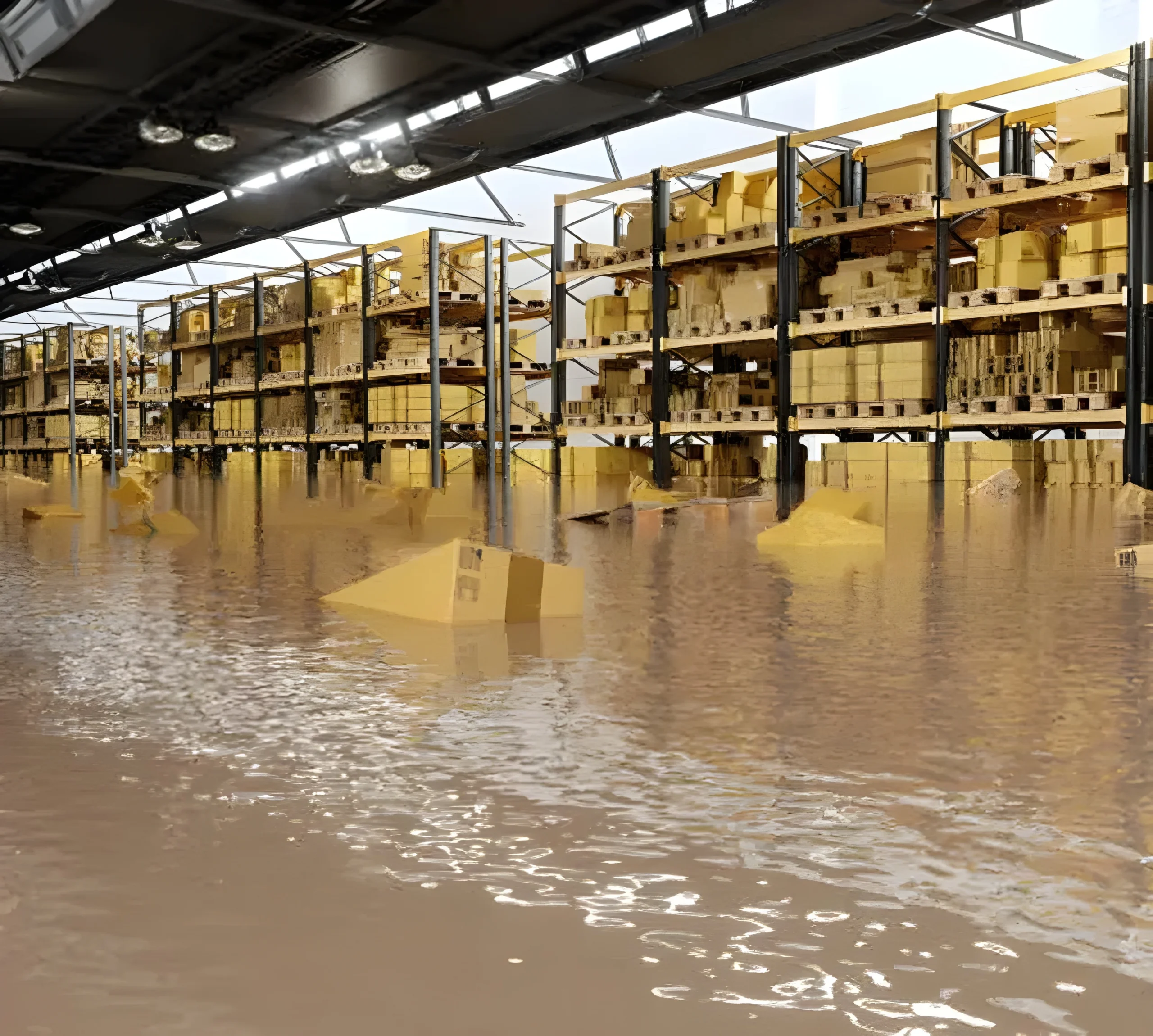
Basements face a higher risk of water damage because they sit below ground level. Water can enter through foundation cracks, basement windows, floor drains, and poorly sealed walls. Heavy rainfall and melting snow can increase groundwater levels, putting additional pressure on basement foundations.
A malfunctioning sump pump can also cause sudden flooding. Many Calgary homeowners rely on sump pumps to remove excess groundwater. However, equipment failure, power outages, or blocked discharge lines can prevent the system from working correctly.
Basement flooding can damage carpets, drywall, storage items, electrical equipment, and heating systems. Standing water can also create an environment where mould develops.
Regularly testing sump pumps, inspecting foundation walls, and keeping basement drains clear can help homeowners reduce these risks.
Can Roof Leaks and Damaged Shingles Cause Water Damage?
Your roof provides essential protection against rain, snow, and other weather conditions. However, damaged shingles, deteriorating flashing, loose roof materials, and clogged roof drainage systems can allow water to enter your home.
Roof leaks do not always create visible puddles immediately. Water may travel through attic insulation, wooden structures, and ceiling materials before becoming noticeable. By the time homeowners see water stains, the affected area may already have experienced significant moisture exposure.
Regular roof inspections help identify damaged materials before they cause extensive problems. Homeowners should pay attention to missing shingles, ceiling discoloration, damp attic insulation, and peeling paint.
Addressing roof damage promptly can protect your home’s structure and reduce the need for extensive restoration work.
How Can Appliance Malfunctions Cause Unexpected Water Damage?
Household appliances that use water can develop leaks or malfunction without warning. Washing machines, dishwashers, refrigerators, water heaters, and water filtration systems can all contribute to residential water damage.
A damaged washing machine hose may release large amounts of water onto laundry room floors. Similarly, a leaking dishwasher connection can allow moisture to spread beneath cabinets and flooring.
Water heaters can also develop corrosion, loose connections, or tank leaks as they age. If homeowners overlook these problems, water can spread into nearby rooms and damage valuable belongings.
Inspect appliance hoses and water connections regularly. Replace worn components and arrange professional maintenance when necessary. These simple precautions can help prevent unexpected flooding.
Can Poor Drainage Around Your Home Increase Water Damage Risks?
Poor exterior drainage allows rainwater and melting snow to collect near your home’s foundation. Improper landscaping, blocked drainage channels, and incorrectly positioned downspouts can direct water toward the building instead of away from it.
Over time, constant moisture exposure can weaken foundation materials and increase the likelihood of basement leaks. Water may also enter through small cracks and create damp conditions inside lower-level rooms.
Homeowners should maintain proper ground slopes around their properties and remove debris from outdoor drainage systems. Checking the condition of foundation walls can also help identify early warning signs.
What Warning Signs Should Homeowners Never Ignore?
Recognising early signs of water damage can help prevent expensive repairs. Homeowners should watch for:
- Water stains: Yellow or brown marks on ceilings and walls often indicate hidden leaks.
- Musty smells: Persistent damp odours may suggest moisture buildup or mould growth.
- Peeling paint: Excess moisture can cause paint and wallpaper to separate from surfaces.
- Warped flooring: Wooden floors and laminate materials may swell after prolonged water exposure.
- Damp carpets: Wet flooring can indicate plumbing leaks or water entering from outside.
- Unusual water bills: A sudden increase may point to an undetected plumbing leak.
If you notice these warning signs, investigate the source immediately and arrange professional assistance when necessary.
Why Should You Choose Professional Water Damage Restoration Services?
Water damage requires more than removing visible standing water. Moisture can remain trapped inside walls, floors, insulation, and other building materials. Without proper drying, these hidden damp areas may lead to mould growth, unpleasant odours, and structural deterioration.
Professional restoration technicians assess the affected areas, identify moisture sources, extract standing water, and use specialised drying equipment. They can also remove damaged materials, clean affected surfaces, and recommend necessary repairs.
Homeowners looking for dependable water damage repair Calgary services should prioritise experienced professionals who understand different types of water damage. At Ideal Response, a prompt and organised restoration approach can help homeowners address water-related problems and protect their properties.
The same awareness applies to other Canadian locations. For example, property owners researching flood damage Ottawa should also understand how plumbing failures, heavy rainfall, drainage issues, and basement flooding can affect residential buildings.
How Can You Prevent Future Water Damage in Your Home?
Prevention starts with regular property maintenance. Inspect plumbing connections, clean gutters, check roofing materials, and test sump pumps throughout the year. During winter, protect exposed pipes from freezing temperatures and address unusual changes in water pressure.
You should also monitor appliances, maintain proper outdoor drainage, and repair foundation cracks before they become larger problems. Knowing where your main water shut-off valve is located can help you respond quickly during a plumbing emergency.
If water damage occurs, avoid delaying professional assistance. Ideal Response can help homeowners understand the importance of timely restoration and proper moisture management.
Conclusion: How Can Homeowners Protect Their Properties from Water Damage?
Water damage can result from plumbing failures, roof leaks, heavy rainfall, basement flooding, appliance malfunctions, and poor drainage. Although these problems can develop unexpectedly, regular maintenance and early detection can reduce their impact.
Homeowners should pay attention to warning signs, protect vulnerable areas, and address leaks as soon as possible. When serious damage occurs, professional restoration services can help remove moisture, repair affected materials, and restore a safe living environment. Taking preventive action today can save time, money, and stress in the future.