

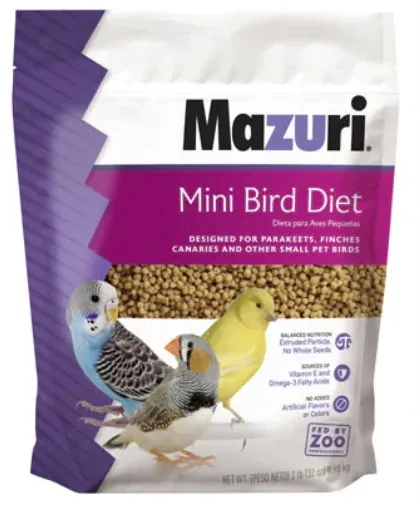
Mazuri Bird Food and Online Store for Turtle Food and Feed: Choosing the Right Pet Nutrition
Providing pets with suitable nutrition is one of the most important responsibilities of every pet owner. Birds and turtles have different dietary requirements, and selecting appropriate food helps support their growth, energy, and overall well-being. Whether you care for small pet birds or aquatic and semi-aquatic turtles, choosing quality products from trusted suppliers makes everyday feeding easier. Options such as Mazuri Bird Food can help bird owners explore specialised nutrition, while suitable turtle diets support the unique needs of these fascinating reptiles.
Understanding the Nutritional Needs of Pet Birds
Pet birds require balanced nutrition to maintain healthy feathers, strong bones, and active behaviour. Their dietary needs vary depending on species, age, activity level, and overall health. While some birds naturally consume seeds, fruits, and vegetation, a seed-only diet may not provide all the nutrients they need.
A balanced feeding routine can include formulated bird diets, suitable fresh foods, and clean drinking water. Formulated diets are designed to provide a more consistent nutritional profile than relying entirely on individual food ingredients. However, the ideal diet depends on the bird species, so owners should seek guidance from an avian veterinarian when making significant dietary changes.
Bird owners should also pay attention to portion sizes and feeding habits. Offering too much food can contribute to weight-related problems, while an unsuitable diet may result in nutritional deficiencies. Monitoring a bird’s appetite, activity, and body condition can help owners identify changes that may require professional attention.
Why Choosing the Right Bird Food Matters
Different bird species have different nutritional requirements. Small companion birds, parrots, and other pet birds may require different food textures, ingredient combinations, and feeding routines. Selecting food designed for the intended species is therefore important.
When comparing bird food products, owners should review the ingredient list, nutritional information, feeding instructions, and suitability for their pet. Freshness and proper storage also matter. Food should be kept in a clean, dry, and sealed container to protect it from moisture, pests, and contamination.
Introducing a new diet gradually is generally preferable to making sudden changes. Birds can be sensitive to unfamiliar foods, and a gradual transition allows owners to observe how their pets respond. If a bird refuses food, loses weight, or shows unusual behaviour, consulting an avian veterinarian is advisable.
Creating a Healthy Feeding Routine for Birds
A consistent feeding routine helps owners manage their birds’ nutritional needs more effectively. Food and water containers should be cleaned regularly to maintain hygiene. Uneaten fresh foods should be removed promptly, particularly in warm conditions, to reduce the risk of spoilage.
Owners can also encourage natural feeding behaviours by providing appropriate enrichment. Food-based activities, safe foraging opportunities, and suitable toys can help keep companion birds mentally stimulated. However, enrichment foods should always be selected according to the bird’s species and dietary requirements.
Regular observation is equally important. Changes in appetite, droppings, feather condition, or energy levels can indicate that something needs attention. A veterinarian can help determine whether dietary adjustments or further examination are necessary.
Finding Suitable Food for Pet Turtles
Turtles also need carefully selected diets that match their species and life stage. Their nutritional requirements can differ significantly depending on whether they are aquatic, semi-aquatic, or terrestrial. Some species consume a combination of animal-based foods and vegetation, while others rely more heavily on plant matter.
An Online Store For Turtle Food And Feed can provide access to specialised feeding products for turtle owners looking for convenient purchasing options. When selecting a turtle diet, it is important to check whether the product is suitable for the particular species and whether its nutritional composition meets the animal’s requirements.
Commercial turtle foods may be available in different forms, including pellets and other formulated diets. These products can make feeding more convenient, but they should be chosen carefully. Owners should not assume that one food is appropriate for every turtle species.
Factors to Consider When Buying Turtle Food
Before purchasing turtle food, consider the following points:
- Species suitability: Check whether the food is designed for your turtle’s specific species.
- Life stage: Young turtles and adults may have different nutritional requirements.
- Nutritional composition: Review the protein, fat, vitamins, and mineral information provided on the packaging.
- Feeding instructions: Follow the manufacturer’s guidance and seek veterinary advice when necessary.
- Product freshness: Check packaging condition, expiry dates, and storage recommendations.
- Feeding variety: Depending on the species, a balanced diet may require more than one type of food.
Clean water and an appropriate habitat are also essential parts of turtle care. Aquatic turtles, in particular, need suitable water quality and access to the correct environmental conditions. Proper nutrition should always be considered alongside responsible habitat management.
Common Feeding Mistakes Pet Owners Should Avoid
One common mistake is assuming that all birds or turtles can eat the same type of food. Nutritional requirements vary considerably between species, so choosing products without checking their intended use may lead to an unsuitable diet.
Another mistake is overfeeding. Excessive food can contribute to health problems, while frequent changes in feeding routines may make it difficult to monitor an animal’s nutritional intake. Owners should follow suitable feeding guidance and observe their pets’ body condition.
It is also important not to rely entirely on online product descriptions for medical or dietary decisions. Animals with existing health concerns may require specialised feeding plans recommended by a qualified veterinarian.
Make Pet Nutrition a Priority
Birds and turtles bring unique joy to households, but responsible care requires attention to their individual nutritional needs. Selecting appropriate formulated diets, maintaining clean feeding areas, and monitoring eating habits can support a healthier routine for both types of pets.
By comparing product suitability and following species-specific feeding guidance, pet owners can make more informed decisions. Quality food is an important part of responsible pet care, and combining it with regular veterinary attention and a suitable living environment helps pets enjoy a better quality of life.