
Why an Environmental Testing Laboratory and Environmental Testing Services Support Reliable Environmental Assessment
An Environmental Testing Laboratory plays an important role in evaluating environmental conditions and identifying potential sources of pollution. Air, water, and soil can be affected by industrial activities, construction, waste disposal, and other human operations. Reliable testing helps measure environmental parameters, detect contaminants, and understand whether samples meet relevant quality requirements. By providing accurate analytical information, laboratories support informed decisions and help businesses maintain responsible environmental practices.
Why Environmental Assessment Is Important
Environmental assessment helps organizations understand the condition of their surroundings and identify possible environmental risks. Poor air quality, contaminated water, and polluted soil can affect human health, natural resources, and ecosystems.
Regular assessment provides useful information about existing environmental conditions. It can also help businesses identify changes over time, review their operational practices, and determine whether additional environmental controls are required.
For industries, environmental monitoring is particularly important because manufacturing, chemical processing, construction, and waste management activities may influence the surrounding environment. Reliable testing supports better planning and helps organizations respond to potential concerns.
The Role of Environmental Testing Laboratories
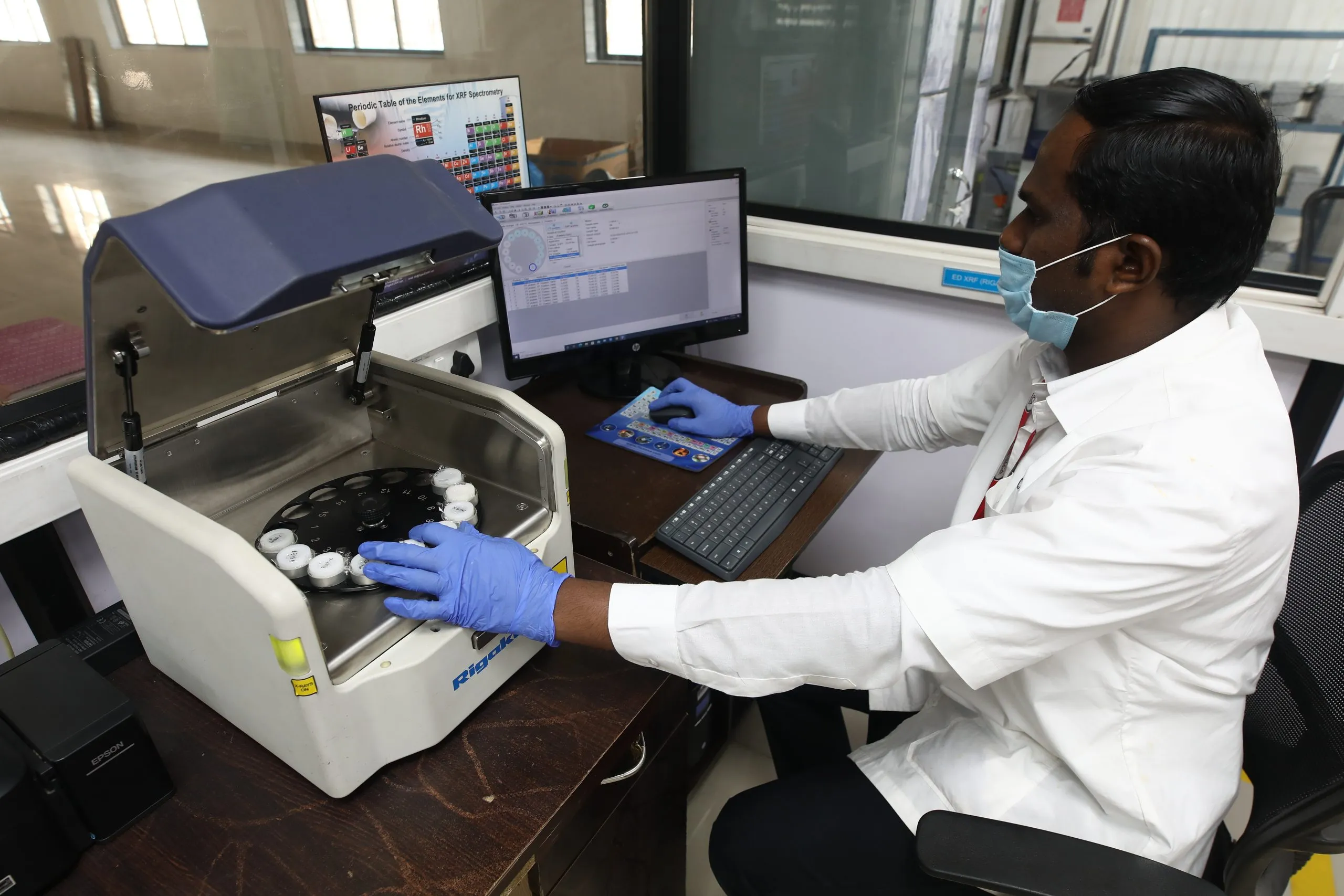
Professional laboratories use appropriate equipment, trained personnel, and established analytical procedures to examine environmental samples. Their work may involve testing water, soil, air, wastewater, and other materials depending on the facility’s technical capabilities.
Laboratory analysis helps identify specific environmental parameters and provides measurable results for further evaluation. These findings can support site investigations, environmental monitoring programs, industrial assessments, and project planning.
Quality control is another important part of laboratory operations. Proper sample handling, documented procedures, suitable equipment, and consistent analytical methods help improve the reliability of test results.
Different Areas of Environmental Testing
Environmental testing covers several important areas. Water analysis can help evaluate drinking water, groundwater, surface water, and industrial wastewater. Testing may examine physical and chemical characteristics along with other parameters relevant to the intended use.
Soil analysis is useful for identifying potential contamination and understanding land conditions. It may be required before construction, during environmental site investigations, or when evaluating the impact of industrial activities.
Air quality testing focuses on selected pollutants and other measurable parameters that may affect indoor or outdoor environments. Industrial facilities may also require monitoring of emissions and other operational sources.
Each assessment requires suitable sampling procedures and analytical techniques. Choosing the correct method is essential for obtaining meaningful results.
How Environmental Testing Services Support Businesses
Reliable Environmental Testing Services help organizations monitor environmental conditions and make informed operational decisions. Depending on the provider’s capabilities, these services may include sample collection guidance, laboratory analysis, environmental monitoring, and technical reporting.
Businesses can use testing results to evaluate environmental performance and identify areas that may need improvement. For example, wastewater analysis can help a facility review its treatment processes, while soil testing may provide useful information during land development or site assessment.
Testing services can also support environmental documentation and internal management programs. However, organizations should ensure that the selected tests match their specific objectives and applicable regulatory requirements.
Supporting Regulatory Compliance
Environmental regulations are designed to protect natural resources and reduce the harmful effects of pollution. Depending on the industry and location, organizations may need to monitor emissions, wastewater discharge, waste management practices, and other environmental parameters.
Laboratory results provide documented information that can help businesses evaluate their performance against relevant standards. When results identify a potential issue, organizations can investigate the cause and take suitable corrective action.
It is important to remember that testing alone does not guarantee regulatory compliance. Businesses must understand the rules that apply to their operations, maintain appropriate environmental controls, and respond to any identified problems.
Choosing the Right Testing Laboratory
Selecting a suitable laboratory is essential for obtaining dependable environmental data. Businesses should review the laboratory’s experience, technical capabilities, available testing methods, equipment, and quality management practices.
Accreditation is also an important consideration. Organizations should verify whether the laboratory is accredited for the specific tests they require rather than assuming that every service offered is covered.
Clear communication helps ensure a smooth testing process. Before submitting samples, clients should understand collection requirements, sample preservation, testing timelines, reporting formats, and any limitations associated with the selected methods.
The Value of Accurate Reporting
Environmental test reports help translate laboratory findings into useful information. A well-prepared report should clearly identify the samples, testing methods, measured parameters, and analytical results.
These reports allow engineers, environmental consultants, project managers, and business owners to review conditions and make informed decisions. Accurate reporting also supports comparisons between different sampling periods, helping organizations monitor changes and evaluate the effectiveness of environmental management measures.
Conclusion
Environmental assessment is an important part of protecting natural resources and maintaining responsible business operations. A capable laboratory provides reliable analytical information, while professional testing services help organizations monitor environmental conditions and identify potential concerns. By selecting appropriate testing methods, reviewing accurate reports, and taking timely action, businesses can strengthen environmental management practices and contribute to a cleaner, safer, and more sustainable future.