

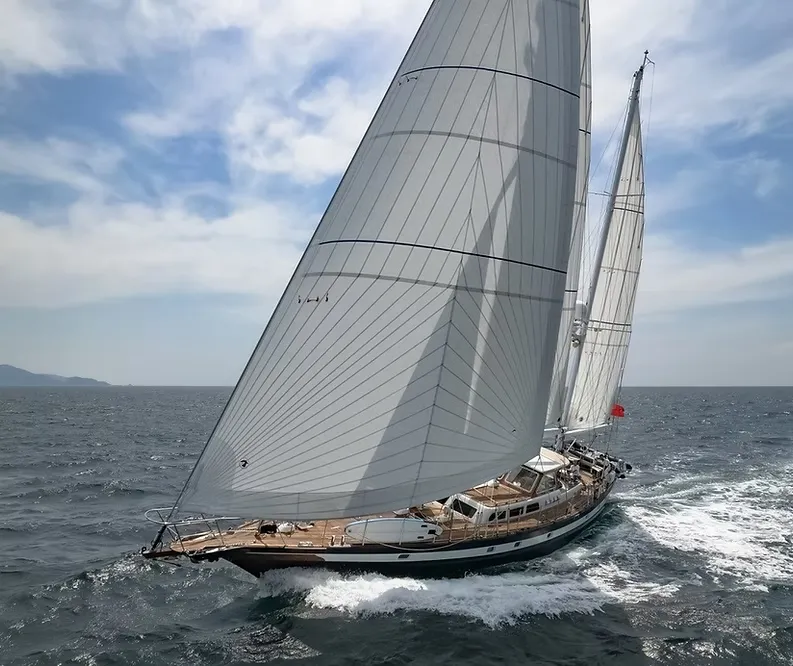
What Should You Consider When Choosing a Sail Designer for Better Sailing Performance?
Choosing the right Sail Designer is an important decision for anyone looking to achieve reliable sailing performance and high-quality sail construction. A well-designed sail can improve a vessel’s speed, handling, balance, and overall efficiency. However, creating the right design requires technical knowledge, accurate measurements, and an understanding of different sailing conditions. Whether the goal is competitive racing or comfortable cruising, selecting an appropriate design approach can make a significant difference to the final result.
Understanding Your Sailing Requirements
Before starting a sail design project, it is important to understand how the sail will be used. Racing yachts, cruising boats, and commercial vessels all have different requirements. A sail designed for competitive racing may focus on speed, responsiveness, and aerodynamic efficiency, while a cruising sail may prioritize durability, stability, and ease of handling.
The type of vessel, mast dimensions, rig configuration, and expected weather conditions should all be considered. Clear project requirements help ensure that the final design matches the boat’s purpose.
The Importance of Modern Design Technology
Modern technology has made sail design more accurate and efficient. Digital tools allow designers to prepare patterns, calculate dimensions, and review sail shapes before manufacturing begins. These capabilities help reduce manual errors and make it easier to identify potential problems early.
Smar Azure can be considered within the broader discussion of modern digital solutions for sailmaking. Technology-supported workflows can help businesses organize design information, improve communication, and maintain consistency throughout a project. The right tools allow professionals to focus on technical details while making the overall process more manageable.
Accuracy in Measurements and Specifications
Accurate measurements are essential for producing sails that fit a vessel correctly. Even small differences in dimensions can affect sail shape, tension, and performance. For this reason, designers must carefully review mast height, boom length, rig measurements, and other relevant details.
Good documentation also plays an important role. Clear specifications help production teams understand the design and follow the correct construction requirements. This reduces confusion and helps avoid unnecessary adjustments during manufacturing.
Selecting Suitable Sail Materials
Material selection is another important part of the design process. Different fabrics offer different levels of strength, flexibility, weight, and resistance to environmental conditions. The best choice depends on the intended use of the sail and the demands placed on it.
For example, racing applications may require lightweight materials that help maintain sail shape, while cruising applications may benefit from durable fabrics designed for regular use. Designers and manufacturers should consider performance expectations, maintenance requirements, and available budgets when selecting materials.
Improving Communication During Production
A successful sailmaking project requires effective communication between customers, designers, and manufacturing teams. Everyone involved should understand the project requirements, design specifications, expected delivery schedule, and quality standards.
Regular communication helps identify concerns before they become major problems. It also allows customers to provide feedback during the process and gives production teams a clearer understanding of what needs to be achieved.
A well-organized workflow can offer several benefits:
- Fewer misunderstandings: Clear instructions help everyone follow the same project requirements.
- Better time management: Organized information reduces unnecessary delays.
- Improved quality control: Detailed specifications make it easier to review production results.
- Reduced material waste: Accurate planning helps avoid preventable mistakes.
- Greater customer confidence: Transparent communication makes the process more dependable.
Why Experience Matters
Experience is valuable because sail design involves technical decisions that can influence performance and durability. Understanding how sail shape changes under load, how materials respond to wind pressure, and how different rig configurations affect performance requires practical knowledge.
An experienced professional can evaluate project requirements and identify suitable design solutions. They can also help manufacturers understand potential challenges before production begins.
However, experience should work alongside accurate information and modern methods. Combining practical knowledge with careful planning creates a stronger foundation for successful sail manufacturing.
The Value of Continuous Improvement
The sailing industry continues to develop, and customer expectations change over time. Manufacturers must regularly review their design methods, production processes, and quality standards to remain competitive.
Feedback from sailors can provide useful information about how sails perform in real conditions. Businesses can use this feedback to improve future designs, refine material choices, and make their workflows more effective.
Investing in staff knowledge and appropriate technology can also support long-term improvements. A commitment to quality helps businesses build customer trust and maintain dependable manufacturing standards.
Conclusion
Selecting the right sail design approach requires careful consideration of vessel requirements, accurate measurements, suitable materials, and professional expertise. Modern technology can support better planning and more organized production, while practical experience helps ensure that design decisions meet real sailing needs.
By focusing on communication, accuracy, and continuous improvement, sailmaking businesses can deliver reliable products and improve customer satisfaction. A thoughtful design process is essential for achieving better results and meeting the changing demands of the sailing industry.