

Importance of Metal Testing in Ensuring Industrial Quality and Safety
In modern industries, metals are widely used in manufacturing, construction, automotive production, engineering, and infrastructure development. The quality of metal materials directly affects the strength, durability, and safety of finished products. Choosing a reliable Metal Testing Laboratory helps manufacturers evaluate metal properties, identify defects, and ensure that materials meet the required technical specifications. Proper metal testing is essential for maintaining consistent product quality, reducing material failures, and improving industrial performance.
Understanding the Importance of Metal Testing
Metal testing is a scientific process used to examine the physical, mechanical, and chemical properties of different metals and alloys. It helps manufacturers understand how a particular metal behaves under different working conditions, including pressure, temperature, tension, and environmental exposure.
Different metals have different characteristics. Steel is commonly used for structural applications because of its strength, while aluminium is preferred in industries where lightweight materials are important. Stainless steel is widely used because of its corrosion resistance.
Testing helps determine whether these materials are suitable for their intended applications. It also helps identify manufacturing defects, impurities, and inconsistencies that could affect product performance.
Common Types of Metal Testing Methods
Several testing methods are used to evaluate the quality and performance of metals. The selection of a particular method depends on the material type and its intended application.
1. Tensile Testing
Tensile testing measures the ability of a metal to withstand pulling forces before breaking. It provides important information about tensile strength, yield strength, and elongation. These properties are essential for structural and engineering applications.
2. Hardness Testing
Hardness testing determines a metal’s resistance to indentation and deformation. Common testing methods include Brinell, Rockwell, and Vickers hardness testing.
3. Chemical Composition Testing
Chemical analysis identifies the elements present in a metal or alloy. It helps verify whether the material contains the required proportions of carbon, chromium, nickel, manganese, and other elements.
4. Impact Testing
Impact testing evaluates how much energy a metal can absorb when subjected to sudden force. This test is important for materials used in demanding environments.
5. Corrosion Testing
Corrosion testing evaluates how metals respond to moisture, chemicals, salts, and other environmental factors. It helps determine their suitability for applications where corrosion resistance is important.
Why Product Testing Is Essential for Manufacturing Industries
Quality assurance is a critical part of manufacturing because customers expect products to perform safely and consistently. Selecting a professional Product Testing Laboratory helps businesses verify whether their products satisfy relevant quality requirements before reaching the market.
Product testing involves examining different characteristics such as strength, functionality, durability, dimensions, and overall performance. Depending on the product category, testing may also include environmental exposure, chemical analysis, electrical performance, and safety assessments.
For manufacturers, product testing helps identify design weaknesses and production defects at an early stage. This reduces the possibility of product recalls, customer complaints, and unexpected failures.
Industries That Require Metal Testing
Metal testing is important across several industrial sectors where material performance directly influences operational safety.
Construction Industry: Steel reinforcement bars, structural steel sections, and metal components require proper evaluation to support safe construction.
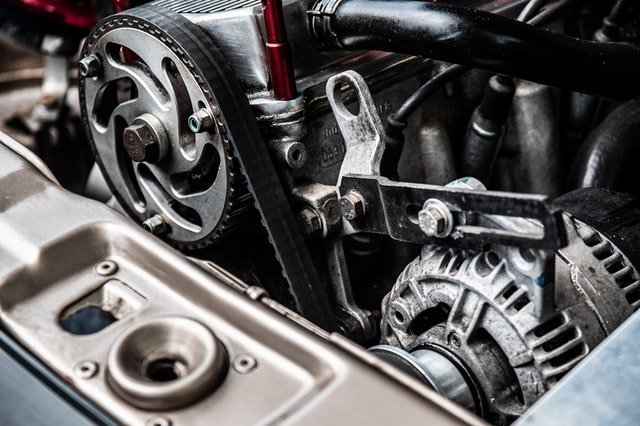
Automotive Industry: Vehicle manufacturers test metals used in engine components, chassis, suspension systems, and body structures.
Aerospace Industry: Aircraft components require carefully controlled material properties because they operate under demanding conditions.
Oil and Gas Industry: Pipelines, pressure vessels, and industrial equipment require suitable mechanical and corrosion-resistant properties.
Electrical Industry: Metals used in cables, connectors, and electrical components need appropriate conductivity and performance characteristics.
Benefits of Regular Metal and Product Testing
Regular testing provides several advantages to manufacturers and industrial organizations.
- Improved Product Quality: Testing helps identify defects and inconsistencies in raw materials and finished products.
- Enhanced Safety: Proper evaluation reduces the risk of material failures in critical applications.
- Better Durability: Testing helps determine whether materials can withstand expected operating conditions.
- Cost Savings: Early defect detection reduces repair, replacement, and production-related expenses.
- Customer Confidence: Verified quality standards help businesses build trust with customers.
- Regulatory Compliance: Appropriate testing supports compliance with relevant industry requirements and specifications.
How to Choose the Right Testing Facility
Selecting a suitable testing facility is important for obtaining reliable results. Businesses should consider the laboratory’s technical expertise, available testing equipment, testing procedures, and reporting practices.
It is also important to check whether the laboratory follows relevant Indian or international standards, depending on the application. Laboratories with appropriate accreditation and qualified technical personnel can provide greater confidence in the testing process.
Manufacturers should also consider turnaround time and the availability of testing methods required for their specific products. Clear documentation and accurate test reports make it easier to maintain quality records and support technical decisions.
Conclusion
Metal and product testing play an essential role in maintaining industrial quality, safety, and reliability. From construction materials to automotive components, proper testing helps businesses understand material characteristics and identify potential weaknesses before they cause serious problems. By using suitable testing procedures and selecting an experienced laboratory, manufacturers can improve product performance, reduce operational risks, and maintain consistent quality standards. Investing in professional testing is an important step toward achieving long-term industrial efficiency and customer satisfaction.