
What Should You Look for When Choosing Later Living Home Builders?
Choosing the right team to develop a later living facility requires careful planning, industry knowledge, and a clear understanding of residents’ needs. Modern care homes must offer more than accommodation. They should provide comfort, safety, independence, and a welcoming environment where older adults can enjoy a better quality of life. The right later living home builders understand these priorities and translate them into practical, attractive, and accessible spaces.
Whether you plan to build a new residential care facility or upgrade an existing property, selecting experienced professionals can make a significant difference. From design and construction to compliance and care home refurbishment, the right team can help you create a facility that supports residents, staff, and visitors.
Why Is Experience Important When Choosing Later Living Home Builders?
Experience plays a vital role in the successful development of later living facilities. Builders with relevant industry knowledge understand the unique requirements of older adults, including mobility support, accessible layouts, and safe communal spaces.
Look for a team that has completed care homes, assisted living developments, or similar residential projects. Review its previous work to understand the quality of construction, attention to detail, and ability to manage complex requirements.
Experienced professionals can also identify potential challenges early. They can recommend suitable materials, efficient layouts, and practical solutions that help control costs without compromising resident comfort.
Ask potential builders for project examples, client testimonials, and references. These details can help you assess their reliability and determine whether their experience matches your project’s size and purpose.
How Can Builders Create Safe and Accessible Living Environments?
Safety and accessibility should remain top priorities throughout the design and construction process. Older residents may experience limited mobility, reduced balance, or other age-related challenges. A thoughtfully designed facility helps them move around comfortably and maintain greater independence.
Professional later living home builders consider features such as:
- Step-free entrances and accessible pathways.
- Wide corridors that accommodate mobility aids.
- Non-slip flooring in bathrooms and communal areas.
- Accessible bedrooms, toilets, and shower facilities.
- Suitable handrails, grab bars, and clear signage.
- Adequate lighting to improve visibility and navigation.
- Emergency exits and well-planned evacuation routes.
Builders should also understand applicable building regulations, fire safety requirements, and accessibility standards. Ask how they incorporate these requirements into the design and construction process.
A safe environment should not feel clinical or restrictive. Skilled builders combine practical safety features with attractive interiors, natural light, and comfortable furnishings to create a welcoming atmosphere.
What Design Features Make a Later Living Home More Comfortable?
Comfortable surroundings can improve residents’ daily experiences and encourage social interaction. The best later living facilities balance private living spaces with shared areas that help residents feel connected to their community.
Look for builders who understand the importance of thoughtful spatial planning. Bedrooms should provide privacy, sufficient storage, and easy access to essential facilities. Communal lounges should encourage conversation, while dining areas should offer comfortable seating and convenient access.
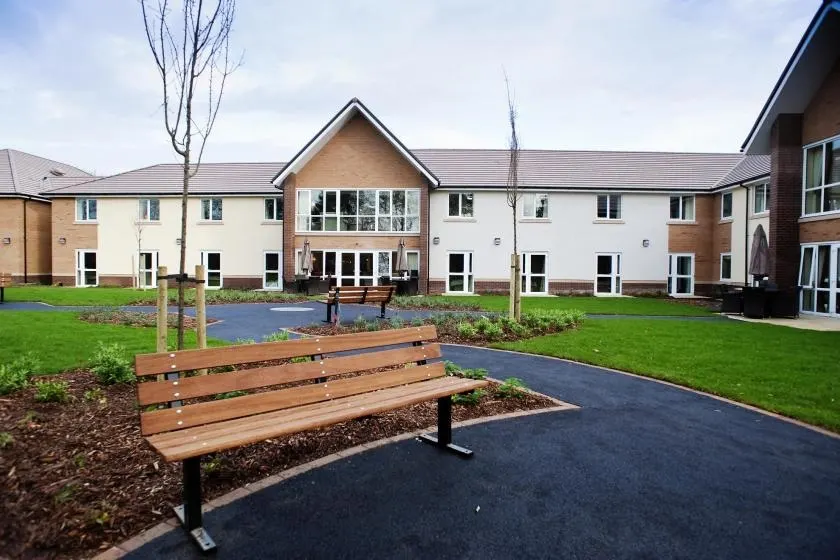
Outdoor spaces also deserve attention. Secure gardens, accessible walking paths, shaded seating, and sensory planting can encourage residents to spend time outdoors.
Natural light, ventilation, acoustic control, and suitable temperature management can further improve comfort. Builders should select durable materials that withstand daily use while maintaining an attractive appearance.
Discuss these design priorities during the early planning stages. A builder who listens carefully to residents’ needs and your operational goals can create a facility that feels both functional and homelike.
Why Should You Consider Care Home Refurbishment Expertise?
Not every later living project requires a new building. An existing care home may benefit from targeted improvements that enhance accessibility, refresh interiors, and improve the overall resident experience.
Choosing a team with care home refurbishment expertise allows you to assess which areas need improvement and which existing features can remain. This approach can help you make better use of your available budget while preserving valuable parts of the property.
Common refurbishment projects include modernising bedrooms, upgrading bathrooms, improving communal lounges, replacing worn flooring, and enhancing lighting. Builders may also improve heating, ventilation, insulation, and energy efficiency.
However, refurbishment in an occupied care home requires careful coordination. Construction noise, dust, restricted access, and temporary service interruptions can affect residents and staff.
Ask your chosen team how it will manage these challenges. A detailed phasing plan, clear communication, suitable dust controls, and appropriate safeguarding measures can reduce disruption. Where necessary, the team should coordinate work around residents’ routines and arrange safe alternative facilities.
The right refurbishment partner will assess the building’s condition, explain the available options, and recommend improvements that support long-term value.
How Can You Evaluate Construction Quality and Materials?
Construction quality affects the durability, maintenance requirements, and long-term operating costs of a care home. Choosing suitable materials from the beginning can help prevent avoidable repairs and maintain a pleasant environment.
Ask builders about the products and construction methods they recommend. Flooring should provide suitable slip resistance and withstand regular cleaning. Wall finishes should remain easy to maintain, while doors and fittings should support frequent use.
You should also consider insulation, ventilation, heating systems, and energy-efficient lighting. These features can help create a comfortable indoor environment while supporting more efficient building operations.
Request information about warranties, quality inspections, and defect management. A reliable construction team should explain how it checks its work and addresses problems before handover.
Do not base your decision on the lowest quotation alone. Compare the proposed specifications, quality standards, project scope, and long-term maintenance implications before making a final choice.
What Should You Know About Project Management and Communication?
A successful building project depends on clear communication and effective project management. Even experienced contractors can encounter delays or unexpected challenges, so you need a team that responds promptly and provides practical solutions.
Before signing a contract, ask who will manage the project and serve as your main point of contact. Establish how often the team will provide progress updates and how it will communicate changes to the schedule or budget.
Request a detailed project plan that outlines major milestones, expected completion dates, responsibilities, and payment stages. Make sure the contract explains how the team will handle variations, delays, and additional costs.
Good project management also involves coordination between architects, engineers, specialist contractors, suppliers, and care operators. When everyone understands their responsibilities, the project can move forward more efficiently.
Professional communication helps you make informed decisions and reduces misunderstandings throughout the construction process.
How Can You Compare Costs and Long-Term Value?
Budget planning helps you choose builders who can deliver the right balance of quality, functionality, and affordability. Start by defining your project requirements, available funding, and expected operational needs.
Obtain detailed quotations from several suitable contractors. Compare labour, materials, equipment, professional coordination, and other project expenses. Check whether each quotation includes the same scope of work before comparing the totals.
You should also consider future operating costs. Energy-efficient systems, durable finishes, accessible layouts, and straightforward maintenance arrangements may reduce expenses over the building’s lifetime.
Ask builders to identify potential risks and explain how they will manage unforeseen costs. A transparent quotation makes it easier to allocate funds and avoid unexpected financial pressure.
Care Home Builders should demonstrate a clear understanding of your budget, explain their recommendations, and help you prioritise improvements that provide lasting benefits.
Why Should You Check Credentials, Compliance, and References?
Credentials and compliance provide important evidence of a builder’s suitability for your project. Verify relevant registrations, insurance coverage, qualifications, and experience with comparable developments.
Ask whether the contractor understands the building regulations, planning requirements, fire safety provisions, and accessibility standards that apply to your location. Care facilities may also require additional approvals depending on their use and the services they provide.
Request references from previous clients and, where possible, visit completed projects. Speak with former customers about workmanship, communication, cost control, and the contractor’s response to problems.
Review the proposed contract carefully before committing. Confirm the scope, payment terms, warranties, responsibilities, and process for resolving disputes.
A professional team should welcome reasonable questions and provide clear documentation rather than making unsupported promises.
How Can the Right Later Living Home Builders Support Your Long-Term Goals?
The right construction partner understands that a later living facility must serve residents well today while remaining practical for future needs. Flexible layouts, adaptable bathrooms, maintainable materials, and efficient building systems can help a facility respond to changing requirements.
Look for builders who involve you in important decisions and offer solutions based on your objectives rather than simply recommending the most expensive options. Their approach should reflect your preferred care model, operational plans, budget, and expectations for resident wellbeing.
Care Home Builders can help you evaluate construction and refurbishment priorities, compare suitable solutions, and plan a facility that combines safety, comfort, and lasting value.
Ultimately, choosing the right later living home builders requires more than comparing prices. Assess their experience, design knowledge, construction quality, communication, compliance, and ability to manage care home refurbishment projects. With careful research and a clear project brief, you can select a reliable team that helps create a comfortable, accessible, and welcoming environment for older adults.