
Welding Helmet and Welding Jacket: Essential Safety Gear for Every Welder
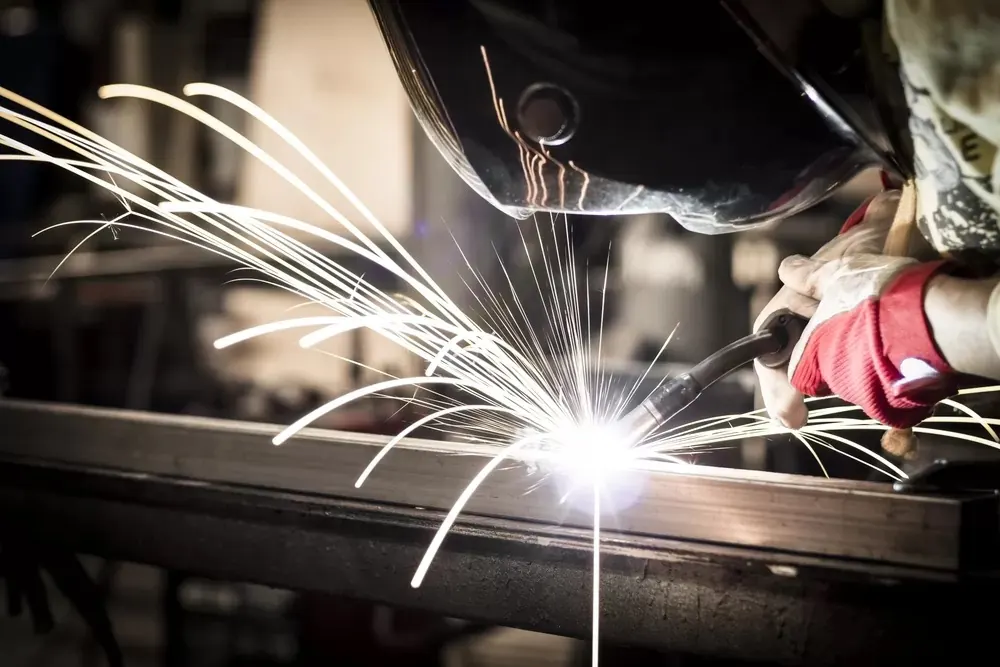
Welding is an important process in industries such as construction, manufacturing, automotive repair, and metal fabrication. However, it involves several workplace hazards, including intense light, sparks, molten metal, heat, and harmful radiation. To work safely and efficiently, welders need reliable personal protective equipment (PPE). Among the most essential items are a Welding Helmet and a Welding Jacket. These protective products help reduce the risk of injuries while providing comfort and confidence during welding operations.
In this blog, we will explore the importance of welding safety equipment, the key features to consider when choosing the right products, and how proper protective gear can improve workplace safety.
Why Is Welding Safety Equipment Important?
Welding involves high temperatures and bright arcs that can cause serious injuries without adequate protection. Exposure to ultraviolet (UV) and infrared (IR) radiation can damage the eyes and skin, while flying sparks and hot metal particles may cause burns.
Using suitable protective equipment helps minimize these risks and supports a safer working environment. A complete welding safety setup may include a welding helmet, protective jacket, gloves, safety footwear, and other equipment selected according to the welding process and workplace conditions.
Choosing high-quality protective gear is not simply an investment in equipment; it is an investment in worker safety and productivity.
Understanding the Importance of a Welding Helmet
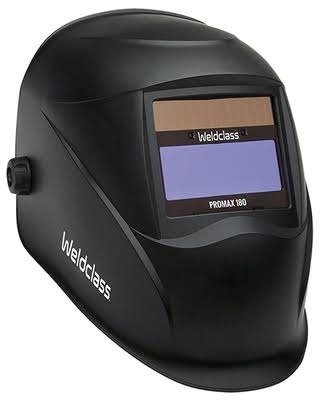
A Welding Helmet is one of the most important protective accessories for anyone involved in welding. It protects the face and eyes from intense arc light, harmful radiation, sparks, and flying particles.
Modern welding helmets are available in different designs, including passive helmets and auto-darkening helmets. Passive helmets use a fixed-shade filter, while auto-darkening models automatically adjust the lens shade when a welding arc is detected, provided they are suitable for the application.
Key Features of a Quality Welding Helmet
1. Reliable Eye and Face Protection
A good helmet should provide appropriate protection against welding radiation, sparks, and hot particles. Selecting the correct filter shade for the welding process and current level is essential for safe operation.
2. Comfortable Design
Welders may need to wear a helmet for extended periods. Adjustable headbands, balanced weight distribution, and suitable padding can reduce discomfort and fatigue during long working hours.
3. Clear Visibility
Good optical clarity helps welders see the workpiece and maintain accurate control during welding. Auto-darkening helmets can make it easier to position the electrode and inspect the work area before striking an arc.
4. Durability
A durable helmet made from suitable heat-resistant materials can withstand demanding workshop conditions. Regular inspection is necessary to identify damaged shells, cracked lenses, or worn components.
When purchasing a welding helmet, consider the welding process, lens specifications, comfort, durability, and applicable safety standards.
Why Every Welder Needs a Welding Jacket
A Welding Jacket provides an additional layer of protection for the upper body against sparks, spatter, heat, and incidental contact with hot materials. Since welding can expose the arms, chest, and shoulders to hazardous conditions, suitable protective clothing is essential.
Welding jackets are commonly made from materials such as flame-resistant cotton, leather, or combinations designed for specific applications. The right choice depends on the welding process, exposure level, and working environment.
Important Features of a Welding Jacket
1. Heat and Flame Resistance
A quality welding jacket should be designed for the hazards associated with the intended welding task. Flame-resistant materials help reduce the risk of clothing igniting, although no garment eliminates every burn hazard.
2. Comfortable Fit
A well-fitted jacket allows welders to move their arms and shoulders freely. This flexibility is important for precise work, particularly when welding in different positions.
3. Coverage and Protection
Long sleeves, secure closures, and suitable collar designs help cover exposed skin. The jacket should fit properly without loose sections that could catch on equipment or create additional hazards.
4. Durability and Practicality
Welding jackets should withstand regular use in demanding environments. Reinforced areas, strong stitching, and practical pockets can improve durability and convenience, provided the design remains appropriate for the welding task.
Selecting the right jacket helps welders balance protection, mobility, and comfort throughout the workday.
Welding Helmet and Welding Jacket: Why Both Matter
A welding helmet and a welding jacket serve different but complementary purposes. The helmet primarily protects the eyes and face, while the jacket helps protect the upper body and arms.
Using both together creates a more comprehensive protective setup. However, these items should be combined with appropriate welding gloves, suitable protective trousers, safety footwear, and other required PPE.
For example, a welder performing heavy fabrication may need a robust leather jacket and a helmet with a suitable filter shade. Someone carrying out lighter workshop tasks may prefer a lighter flame-resistant jacket and a helmet designed for comfort and visibility.
The important consideration is to match the equipment to the specific hazards rather than selecting products based on appearance or price alone.
Tips for Choosing the Right Welding Safety Gear
Before purchasing a welding helmet or welding jacket, keep the following factors in mind:
- Identify the application: Consider whether the equipment will be used for MIG, TIG, stick, or another welding process.
- Check safety standards: Look for products that meet the relevant standards and specifications for their intended use.
- Prioritize comfort: Choose equipment that fits correctly and supports comfortable movement.
- Inspect material quality: Examine stitching, closures, lens condition, and overall construction.
- Maintain equipment regularly: Clean protective gear according to the manufacturer’s instructions and replace damaged components promptly.
These steps can help businesses and individual welders select suitable products while supporting consistent safety practices.
Conclusion
A reliable Welding Helmet and a durable Welding Jacket are essential components of a welder’s personal protective equipment. The helmet helps protect the eyes and face from welding radiation and flying particles, while the jacket provides protection against sparks, spatter, and heat.
By choosing appropriate products, following workplace safety procedures, and inspecting equipment regularly, welders can reduce preventable risks and work with greater confidence. Whether you are a professional fabricator, an industrial worker, or a welding enthusiast, investing in suitable protective gear is a practical step toward safer and more efficient welding operations.