
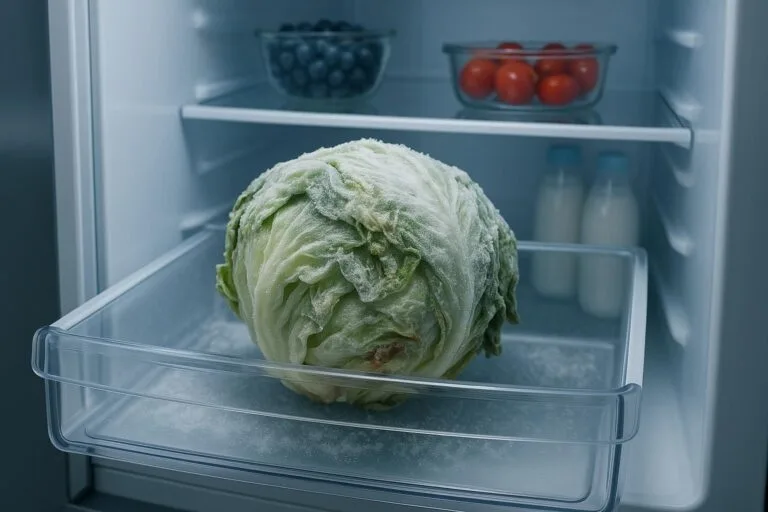
What Causes a Fridge to Freeze Food in the Refrigerator Section?
Have you ever opened your refrigerator and found vegetables, drinks, milk, or other foods covered in ice? A refrigerator should keep food cold without freezing it. When the refrigerator section starts freezing food, something may be affecting the temperature control, airflow, or cooling system.
If you are wondering, “why is my fridge freezing my food,” you should know that several problems can cause this issue. Some causes are simple to fix, while others require professional attention. Understanding the possible reasons can help you protect your food and prevent further damage to your appliance.
Why Is My Fridge Freezing My Food?
The most common reason a refrigerator freezes food is that the temperature is set too low. Most refrigerators work best when the fresh-food compartment stays around 37°F (3°C). If you accidentally set the temperature close to the freezing point, food can begin to freeze.
Check your refrigerator’s temperature setting before investigating more complicated problems. If the setting looks normal but food continues to freeze, inspect the location of your food. Items placed directly against the rear wall or near a cold-air vent can become much colder than the rest of the refrigerator.
A faulty thermostat, blocked airflow, or malfunctioning sensor can also cause excessive cooling.
Could the Refrigerator Temperature Setting Be Too Low?
Yes, an incorrect temperature setting can quickly cause freezing. Someone may have changed the control while cleaning the refrigerator or adding food without realizing it.
Set the refrigerator to a moderate temperature and give the appliance several hours to stabilize. Avoid making frequent adjustments because the refrigerator needs time to respond.
You should also use a refrigerator thermometer if possible. The built-in temperature display may not always show the actual temperature inside every area of the compartment.
Can Food Placement Cause Freezing?
Food placement plays an important role in refrigerator temperature. Cold air enters the refrigerator through vents and circulates throughout the compartment. If you place delicate foods directly in front of these vents, they may freeze even when the overall refrigerator temperature remains normal.
Keep fruits, vegetables, dairy products, and drinks away from direct cold-air outlets. Leave enough space between containers so air can circulate properly.
Do not overcrowd the refrigerator. Excessive food can restrict airflow, while an almost empty refrigerator can allow cold air to concentrate in certain areas.
Could a Faulty Thermostat Make Food Freeze?
A refrigerator thermostat monitors temperature and tells the cooling system when to run. If the thermostat becomes defective, it may fail to shut the compressor off at the right time.
As a result, the compressor can continue running longer than necessary. This can make the refrigerator compartment extremely cold and eventually freeze food.
Signs of a possible thermostat problem include inconsistent temperatures, excessive cooling, and a compressor that appears to run continuously.
If adjusting the temperature does not solve the problem, a technician can test the thermostat and determine whether replacement is necessary.
Can a Damaged Temperature Sensor Cause Freezing?
Modern refrigerators often use electronic temperature sensors to monitor the temperature inside the compartment. The control board uses information from these sensors to regulate cooling.
If a sensor provides inaccurate readings, the refrigerator may believe that the compartment is warmer than it actually is. The cooling system can then run longer than necessary.
A damaged sensor can be difficult to diagnose without the proper equipment. If your refrigerator has electronic controls and continues freezing food despite normal settings, professional testing may help identify the problem.
Does Blocked Airflow Cause Refrigerator Food to Freeze?
Poor airflow can create uneven temperatures inside a refrigerator. Although blocked airflow does not always directly cause freezing, it can create cold spots.
Check the air vents inside the refrigerator and make sure food containers are not covering them. Also inspect the freezer compartment for excessive ice buildup.
A refrigerator relies on proper air circulation to distribute cold air evenly. When ice or food blocks the airflow path, certain sections can become much colder than others.
Keeping vents clear can improve temperature consistency.
Can a Damaged Damper Control Cause Excessive Cooling?
Many refrigerators use a damper control to regulate how much cold air moves from the freezer into the refrigerator section. The damper should open and close according to the cooling requirements.
If the damper becomes stuck in an open position, too much cold air may enter the refrigerator compartment. This can lead to freezing food, especially near the air outlet.
Look for unusual frost or excessive cold around the vent area. Do not force the damper open or closed because doing so may damage the mechanism.
Could a Defrost Problem Be Responsible?
A refrigerator that develops excessive frost may also experience airflow problems. When frost builds up around the evaporator, it can restrict normal air circulation.
Several components work together during the defrost process, including the defrost heater, thermostat, sensor, and control system. If one of these parts fails, ice can accumulate.
If you notice thick ice inside the freezer or unusual temperature changes in the refrigerator compartment, a defrost-system problem may require professional diagnosis.
How Can You Test a Refrigerator Start Relay?
The start relay helps the compressor start and operate correctly. If you want to know how to test a refrigerator start relay, begin by disconnecting the refrigerator from electrical power.
The exact testing procedure depends on the refrigerator model and relay design. In many cases, a technician removes the relay from the compressor and checks it for continuity or signs of physical damage.
A faulty relay may cause clicking sounds, compressor-starting problems, or repeated attempts to start the compressor. However, a start relay usually does not directly cause the refrigerator section to freeze food. It is still important to check it when the compressor behaves abnormally.
Because refrigerators contain electrical components and capacitors, avoid testing unfamiliar components while the appliance is energized. If you are not comfortable working with electrical parts, contact a qualified appliance technician.
What Should You Check Before Calling a Technician?
You can perform several simple checks before requesting professional service:
- Check the refrigerator temperature setting.
- Move food away from cold-air vents.
- Make sure the refrigerator is not overcrowded.
- Check for excessive frost or ice buildup.
- Keep refrigerator doors fully closed.
- Inspect the door gasket for gaps or damage.
- Listen for unusual compressor or fan sounds.
- Check whether the temperature remains consistent.
These basic checks can help you identify simple problems and provide useful information to a technician.
When Should You Get Professional Refrigerator Repair?
You should consider professional repair when the refrigerator continues freezing food after you correct the temperature setting and food placement.
A technician can test components such as the thermostat, temperature sensor, damper, control board, evaporator fan, defrost system, and compressor-related components.
Do not ignore persistent freezing. Extreme temperatures can damage fresh food, increase energy consumption, and indicate a developing appliance problem.
How Can You Prevent Food From Freezing in the Refrigerator?
Prevention starts with maintaining consistent refrigerator temperatures. Keep the temperature at an appropriate level and avoid placing sensitive foods against the rear wall or directly beside cold-air vents.
Clean the refrigerator regularly and keep airflow paths clear. Check the door gasket occasionally to make sure it creates a proper seal.
You should also avoid leaving the refrigerator door open for long periods. Proper organization allows cold air to circulate evenly and helps the appliance maintain its target temperature.
How Can Fridge Mentor Help You Understand Refrigerator Problems?
Understanding common refrigerator problems can save time and help you recognize when a simple adjustment may solve the issue. Fridge Mentor focuses on practical refrigerator information that helps homeowners understand symptoms and possible causes.
If you are still asking, “why is my fridge freezing my food,” start with the temperature setting, food placement, and airflow. If those checks do not solve the problem, investigate the thermostat, sensor, damper, or defrost system with professional assistance.
Fridge Mentor can also help you learn basic appliance troubleshooting concepts, including how to test a refrigerator start relay, so you can better understand what may be happening inside your appliance.
What Is the Best Way to Stop a Refrigerator From Freezing Food?
A refrigerator that freezes food may have a simple temperature-setting problem or a more serious component failure. Start with the easiest checks before moving toward electrical or mechanical diagnosis.
Keep the temperature moderate, maintain good airflow, position food correctly, and inspect for frost buildup. If the refrigerator still freezes food, professional testing can identify the faulty component.
Taking action early can protect your food, improve refrigerator performance, and help prevent a minor problem from becoming an expensive repair.